
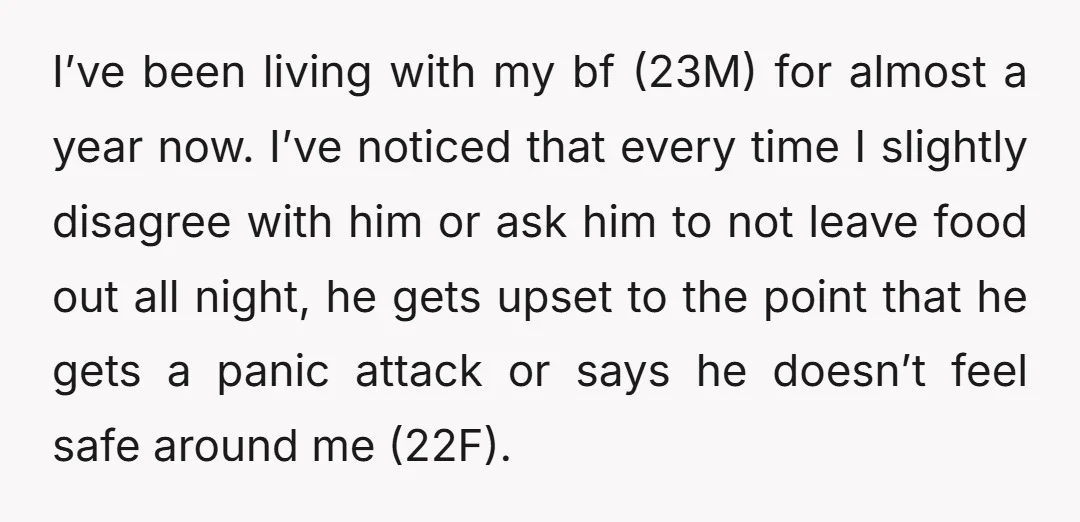
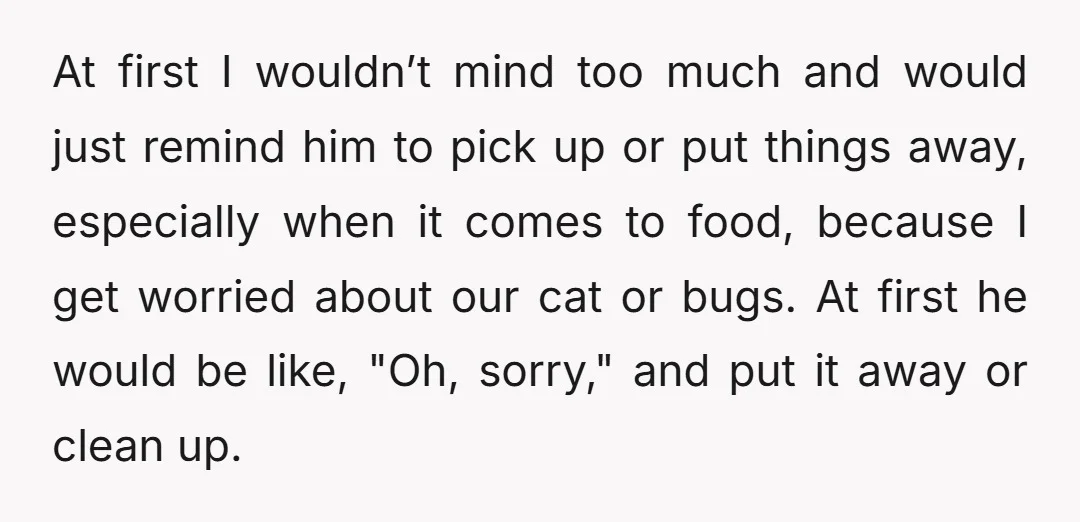
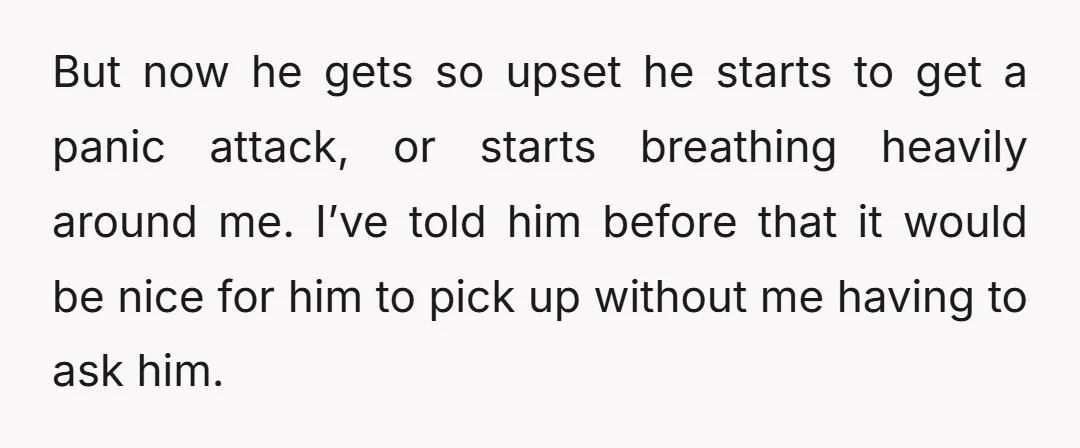
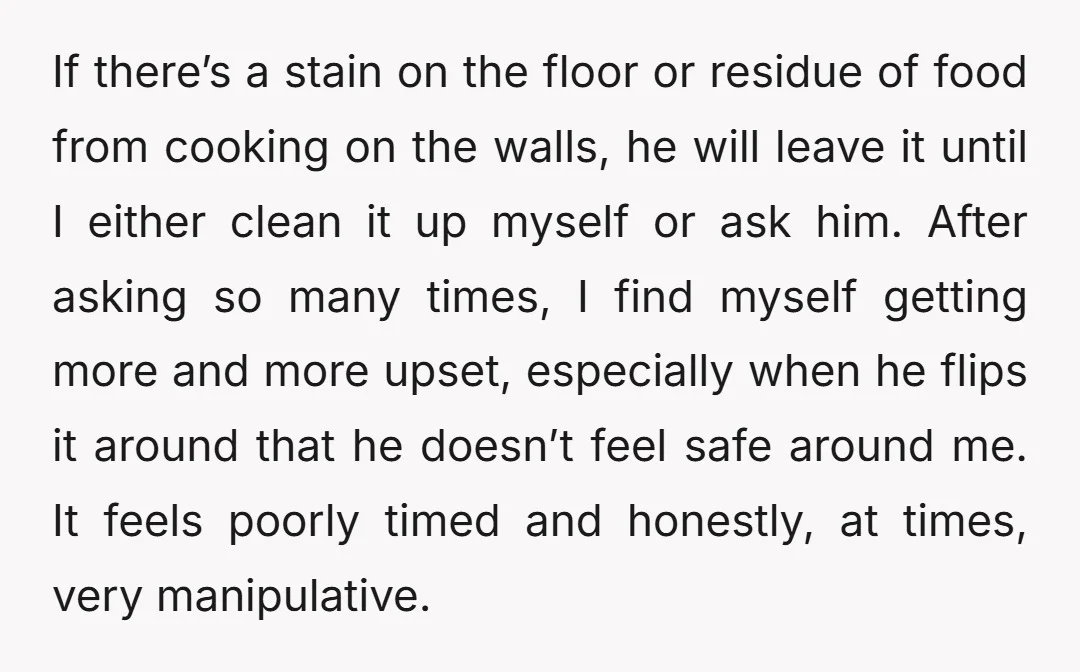
We all know that moment when a simple household request spirals into an unexpectedly deep conflict. For one 22-year-old woman, asking her boyfriend to clean up his messes has turned into a nightly psychological battleground. She thought she was just reminding him to wipe up cooking stains and put food away to avoid attracting bugs. She was wrong.
Instead of grabbing a sponge, her 23-year-old partner began responding to her basic requests with hyperventilation, panic attacks, and claims that he “doesn’t feel safe” around her. Now, she’s questioning her own tone of voice, her personality type, and whether she’s being too harsh, while simultaneously feeling like a human doormat. Curious how it all unfolded? The full story is right below.


What started as standard cohabitation growing pains quickly morphed into a concerning emotional dynamic.
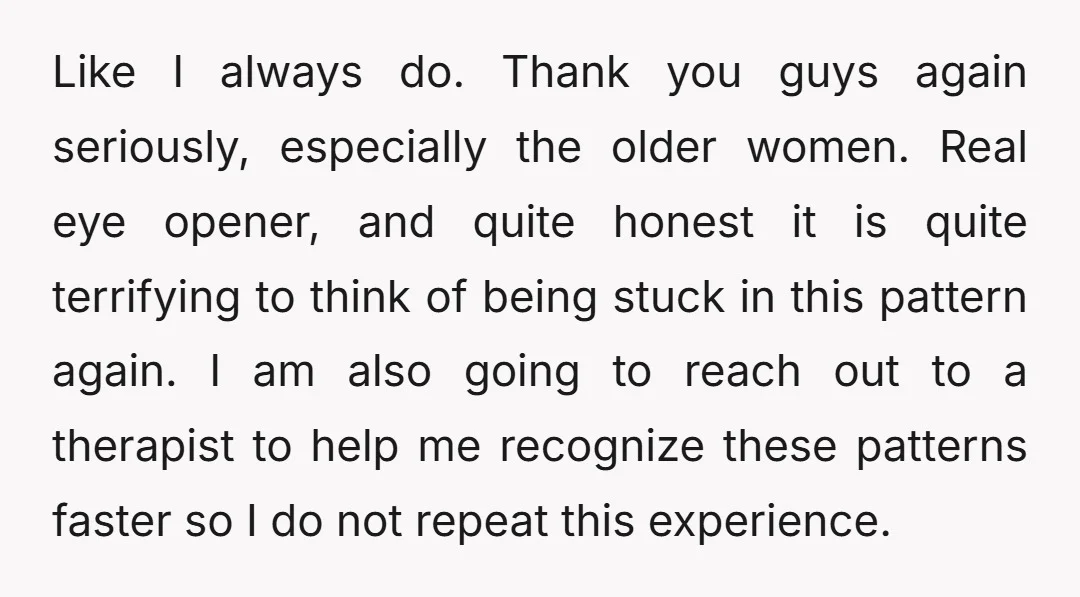
In a later update, OP revealed that she had taken the internet’s advice to heart, though the path forward wasn’t entirely clear.
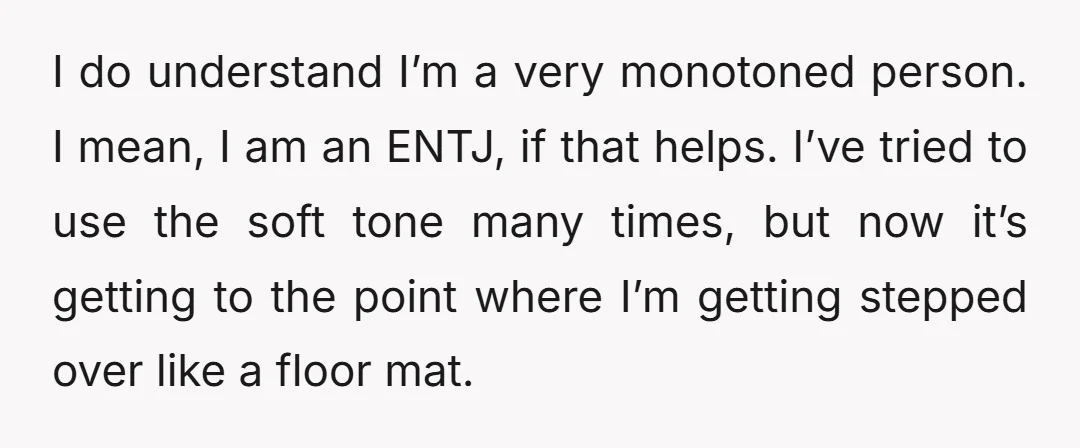
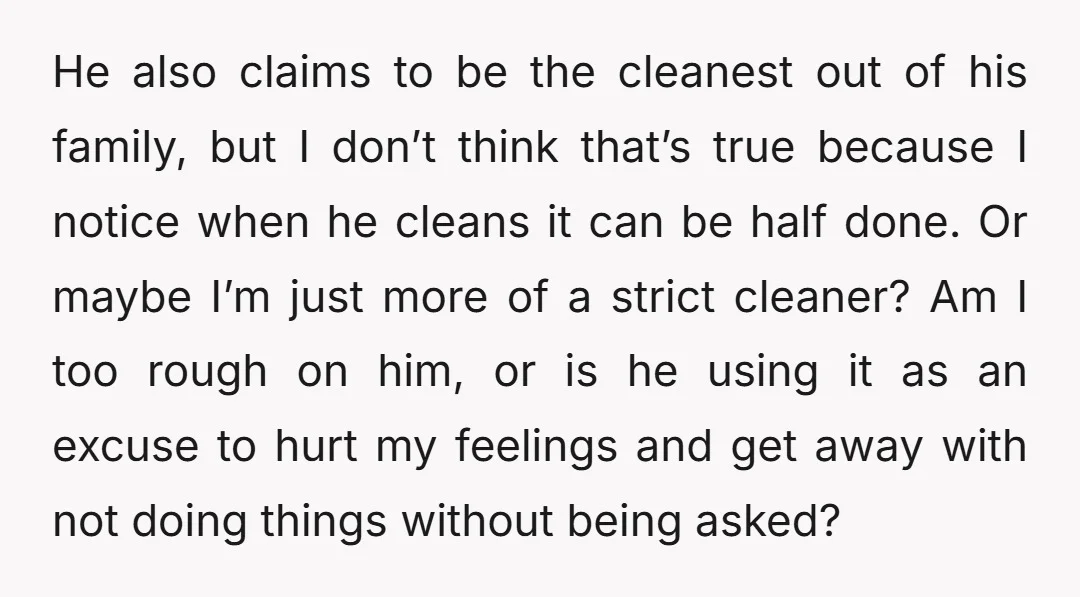
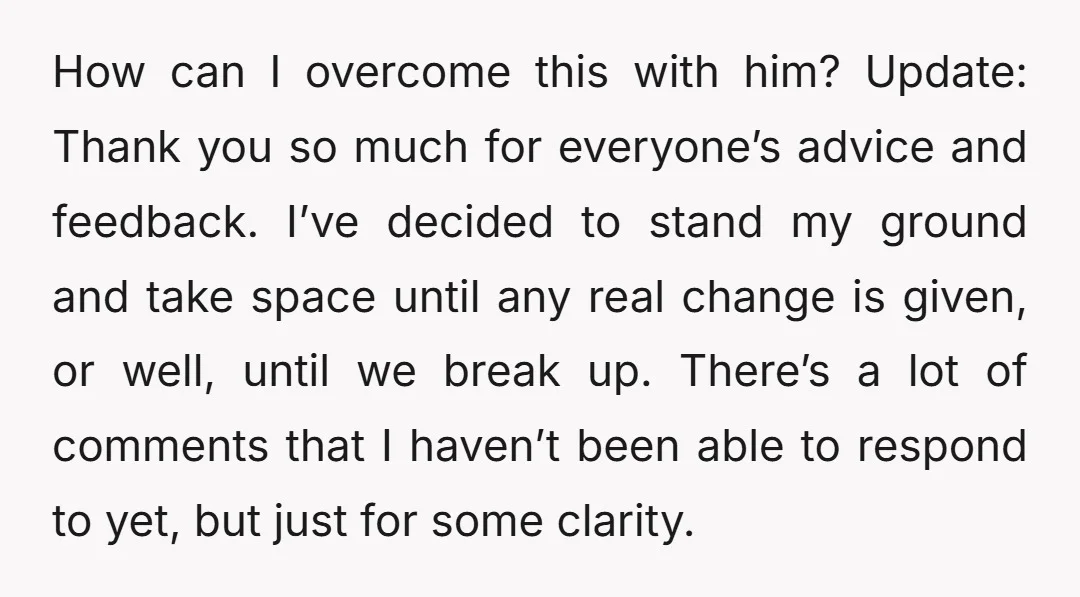
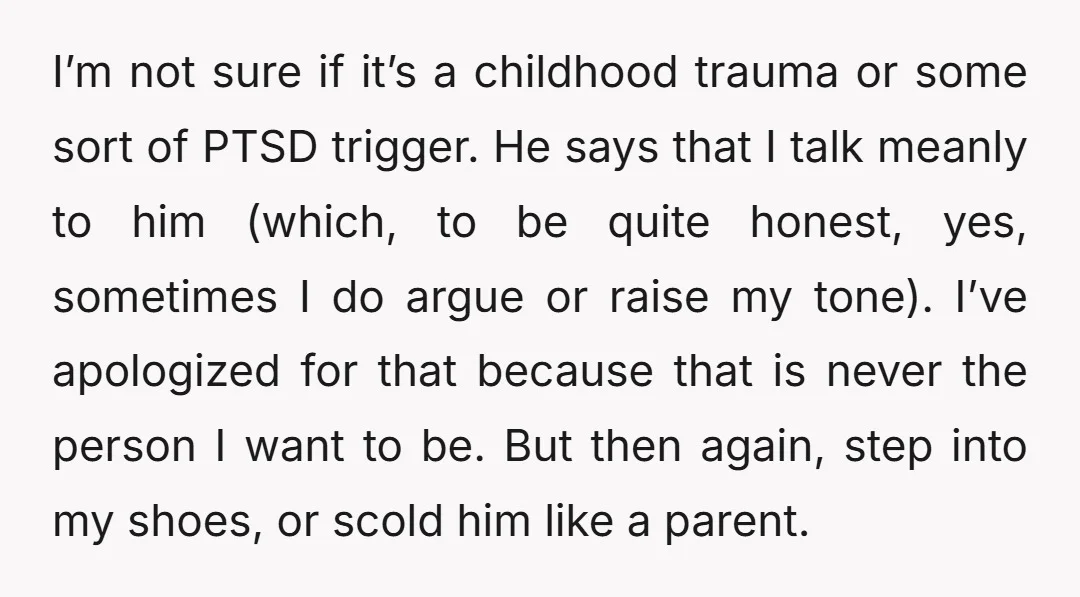
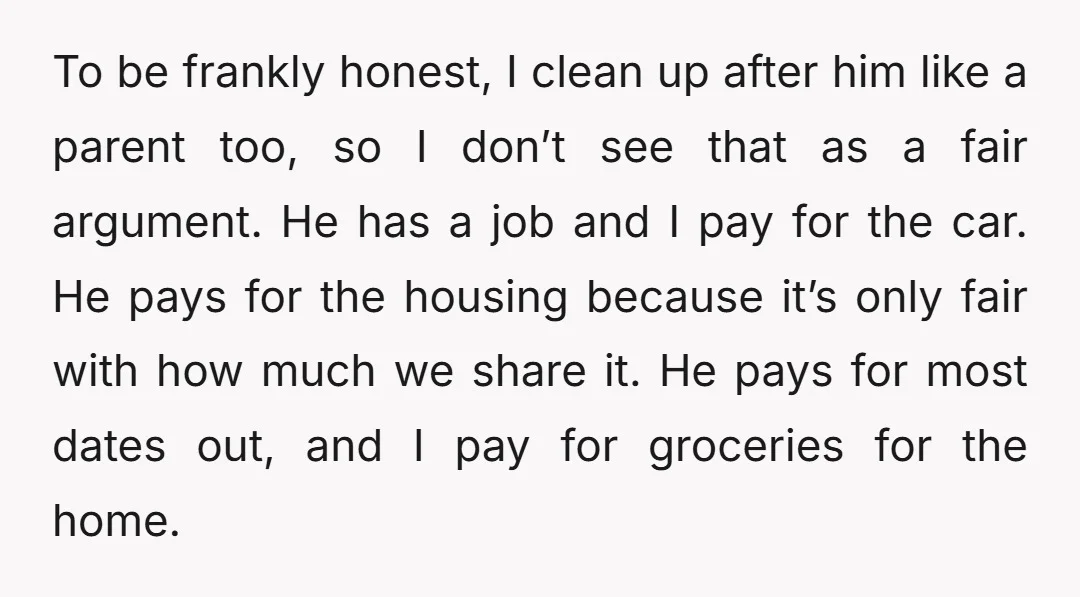
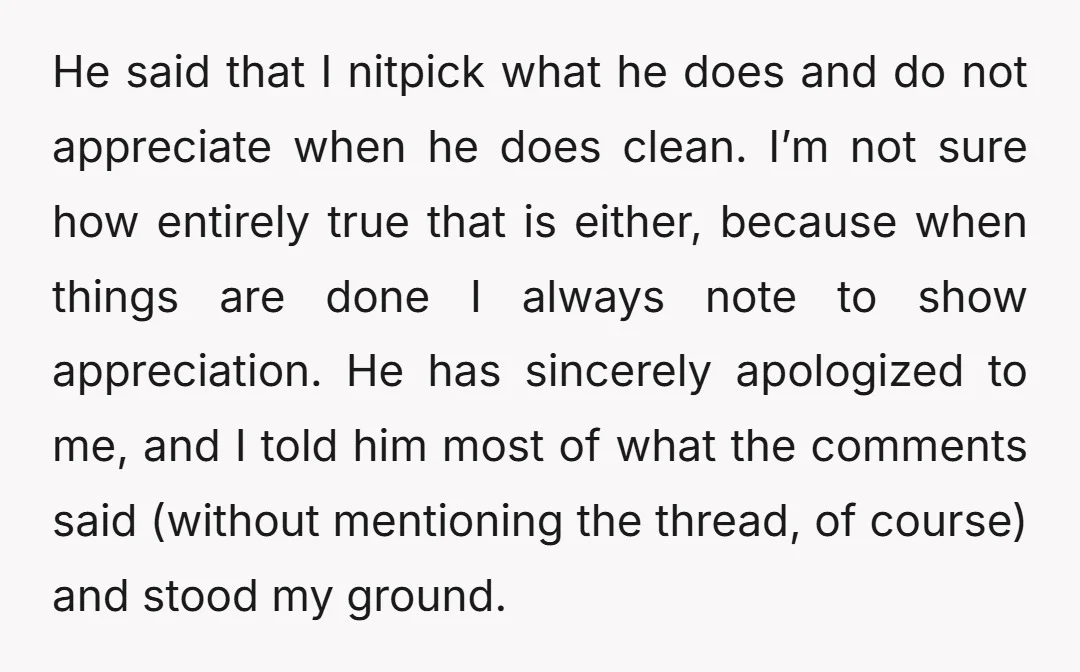
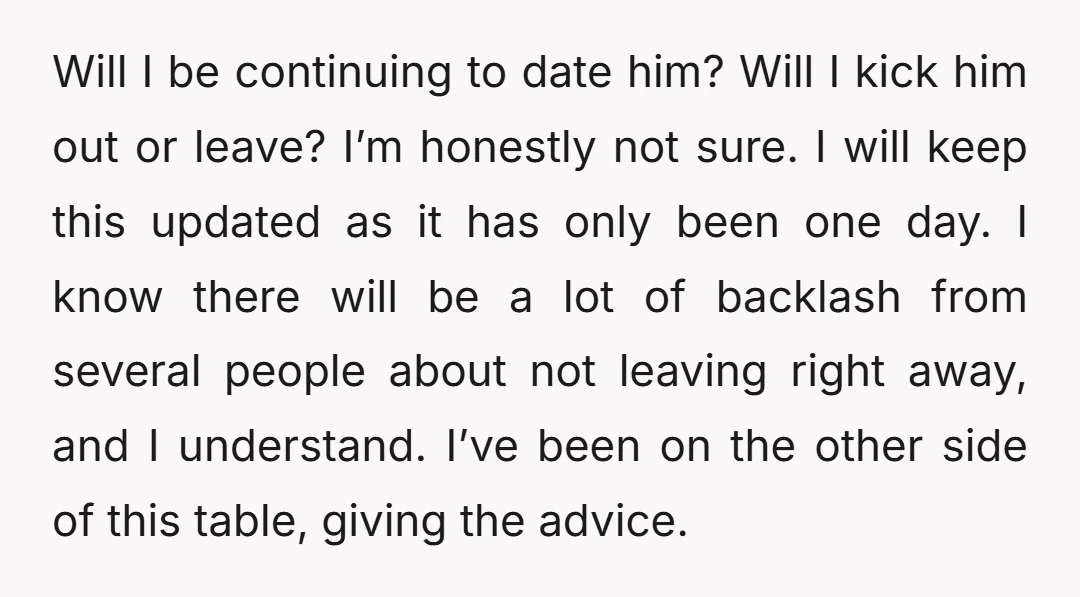
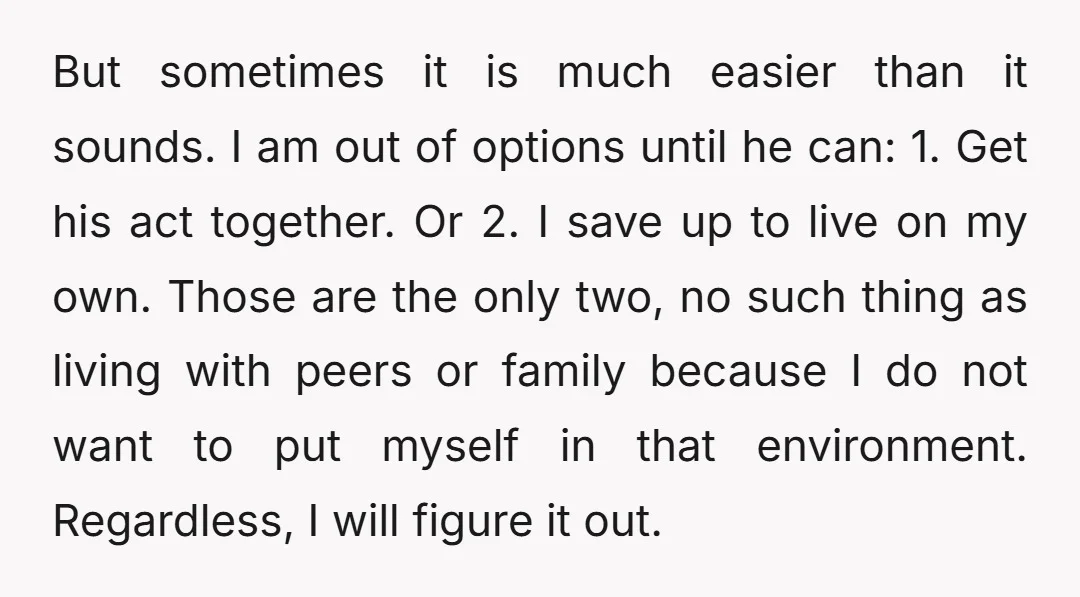
The emotional whiplash of this story is palpable, moving from dirty dishes to claims of feeling “unsafe.” Let’s look at this through a pattern recognition lens. What OP is describing closely aligns with a concept known as DARVO, an acronym coined by psychology researchers to describe defensive behaviors in toxic dynamics.
When OP asks her boyfriend to clean up, he effectively reverses the roles. He becomes the “victim” experiencing a panic attack, while OP is cast as the “offender” who is triggering him. This tactic derails the original conversation about household chores and forces OP into a caretaking role. Instead of addressing the mess, she is suddenly managing his anxiety. This is a classic example of weaponized incompetence and subtle emotional manipulation.
For OP, focusing on setting boundaries is key. A practical step is to refuse to engage with the deflection. When the conversation veers into “I feel unsafe,” she can calmly state, “We can discuss your feelings later, but right now, the kitchen needs to be cleaned.” Seeking a professional for relationship advice, as she mentioned, is an excellent move to help her navigate these complex dynamics.
Navigating shared living spaces is rarely just about doing the dishes; it often uncovers deeper layers of how partners communicate and handle conflict. Do you think she is being too harsh with her requests, or is he using his anxiety to avoid taking responsibility? And how should couples balance mental health triggers with basic household duties? Share your thoughts below!
Community Opinions
Reddit came in hot—nearly unanimous in their assessment that the boyfriend's behavior was highly manipulative, with many urging OP to leave immediately.
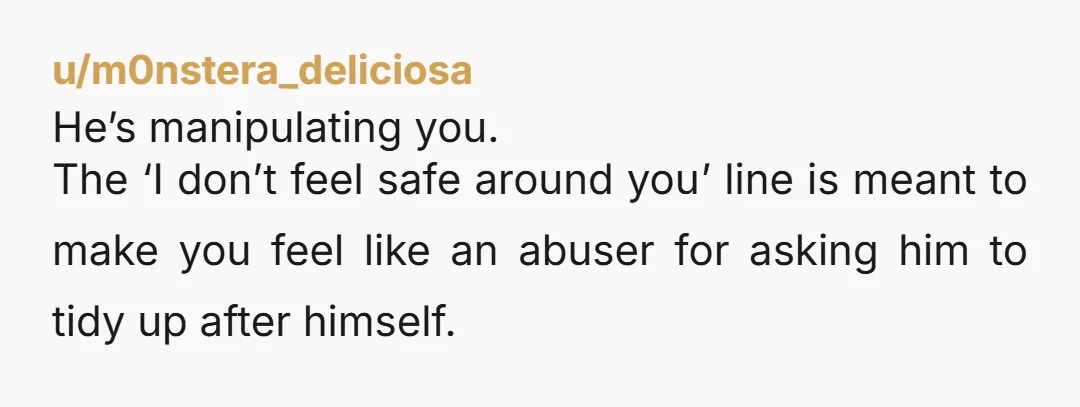
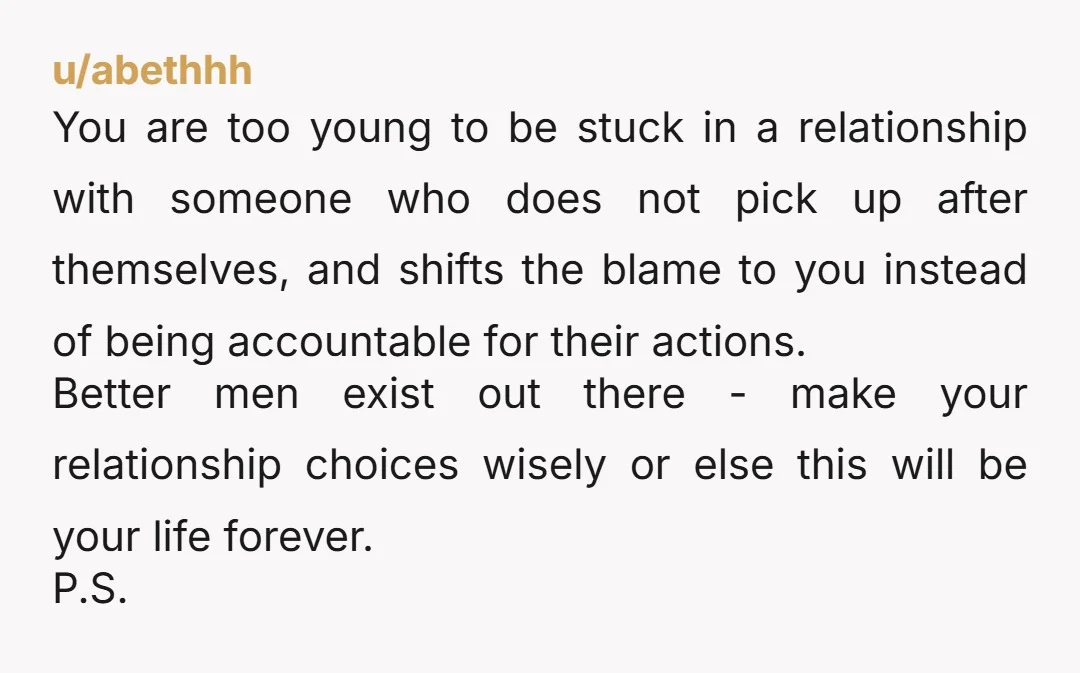
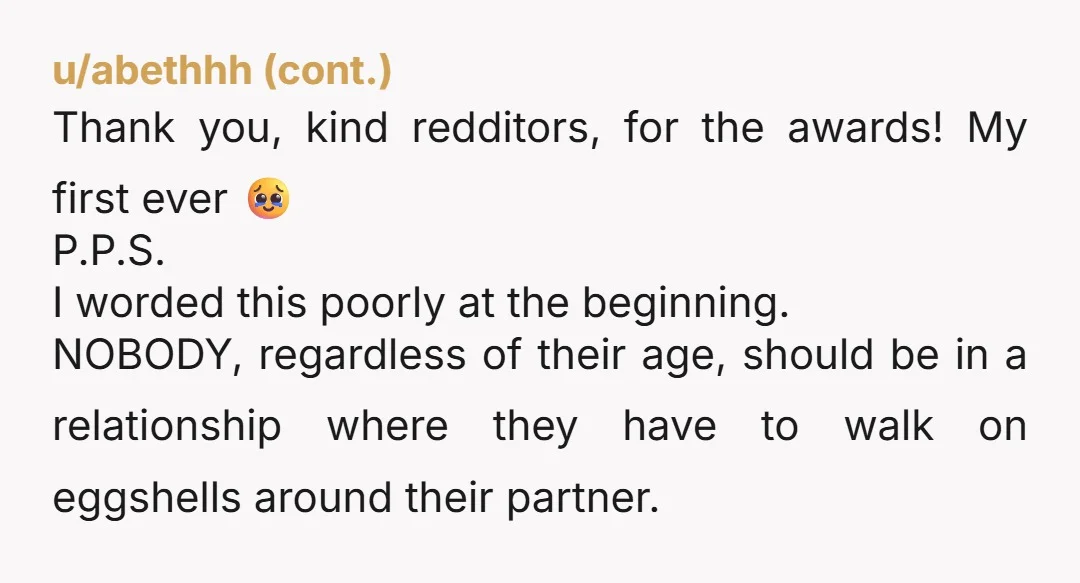
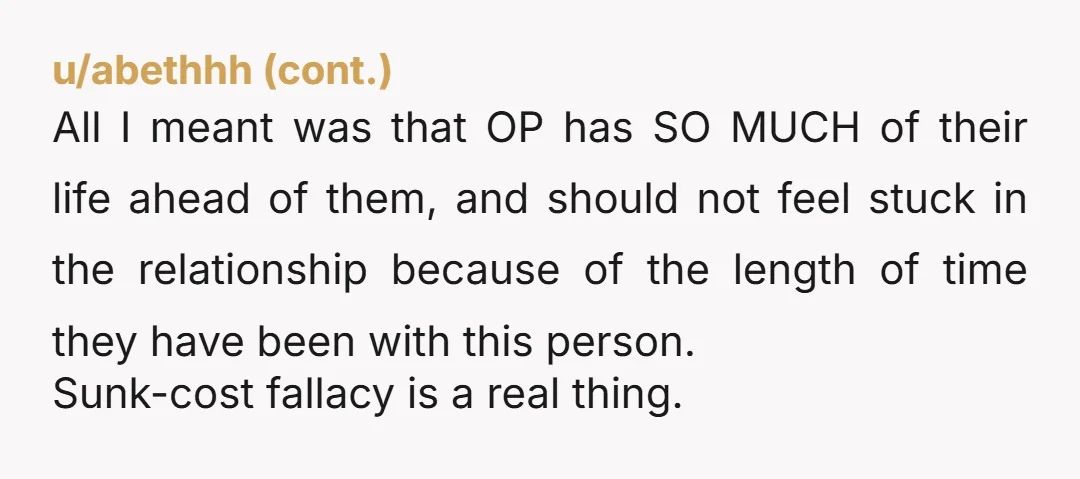
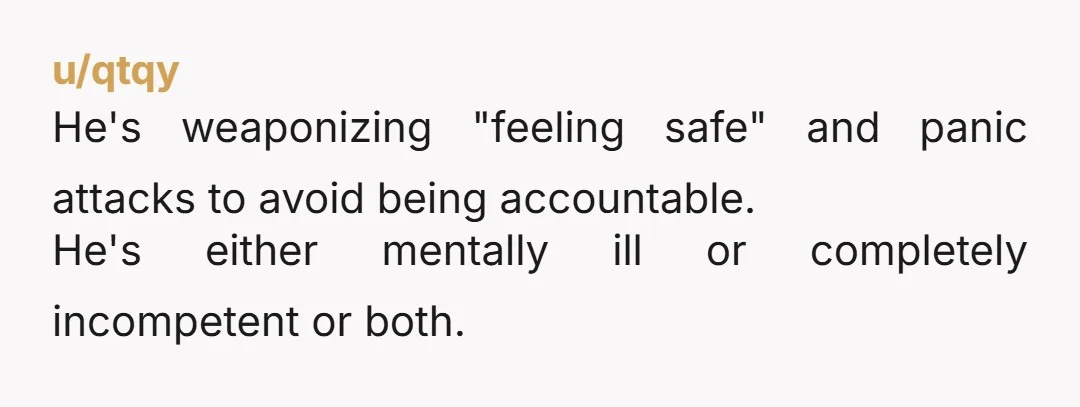

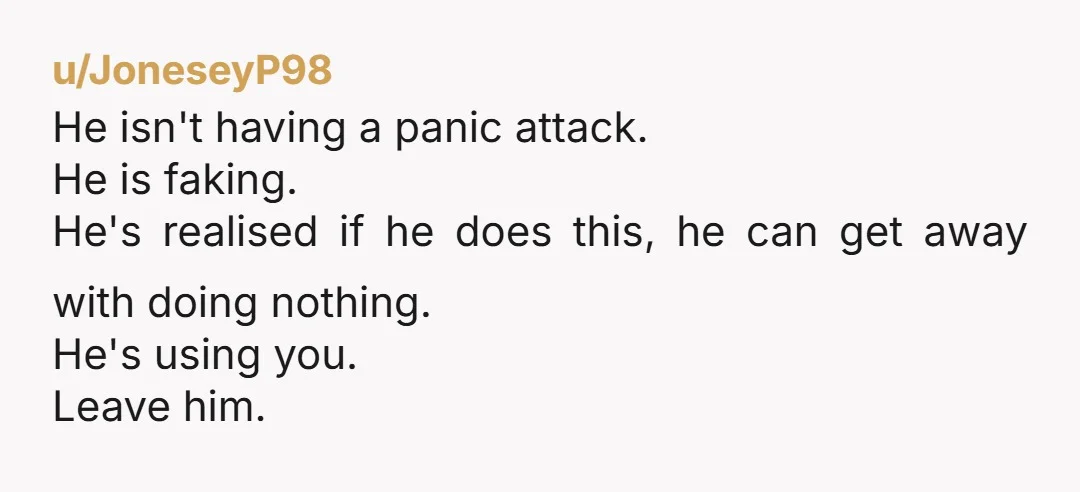


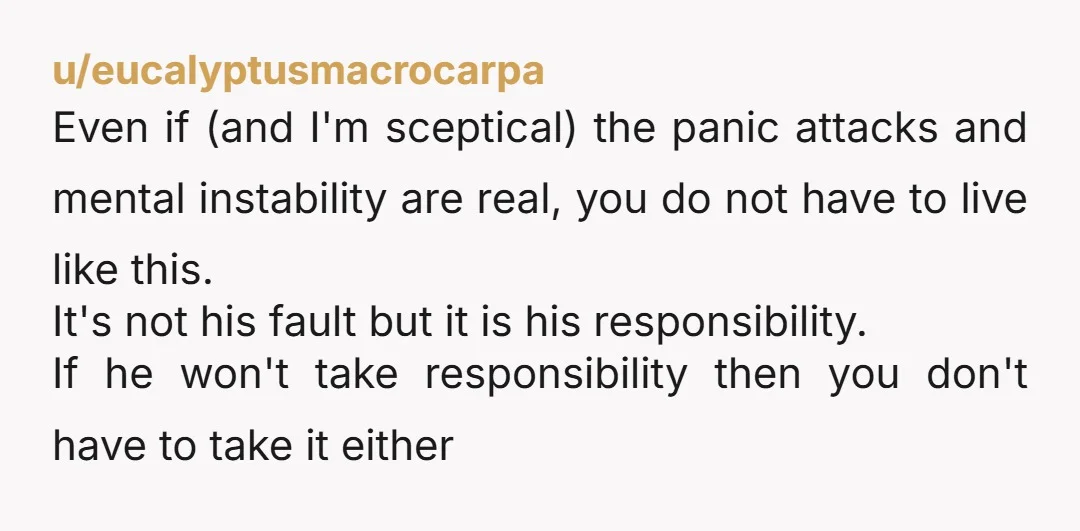



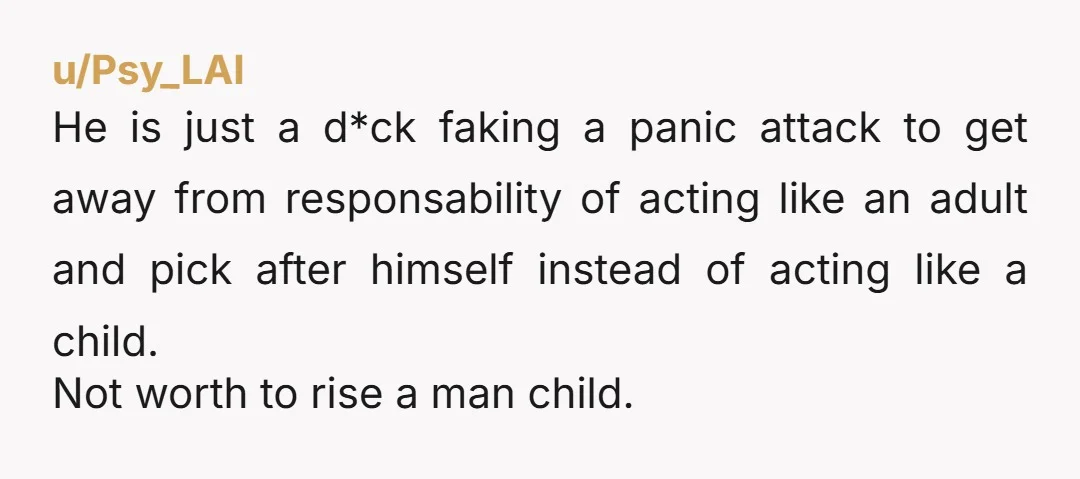
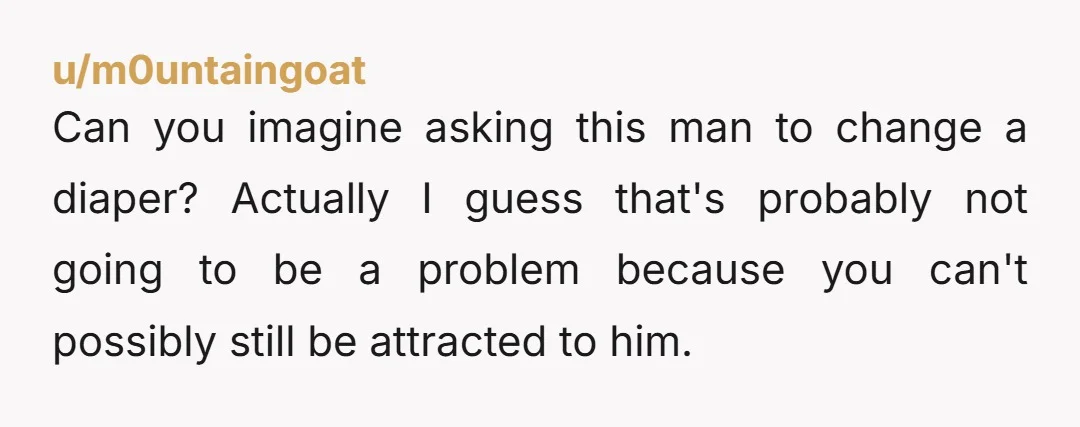
And a few reminded everyone that recognizing these patterns is the first, often painful, step toward getting out.
It's a tough situation when a request for basic hygiene turns into a referendum on emotional safety. OP is caught in a difficult spot, balancing her desire for a clean home with her boyfriend's intense reactions, while trying to figure out her next financial and living steps.
Do you think the boyfriend is genuinely experiencing panic attacks, or is this a calculated manipulation to avoid chores? And if you were in OP's shoes, how would you handle the living arrangement while saving up to move out? Drop your thoughts in the comments.