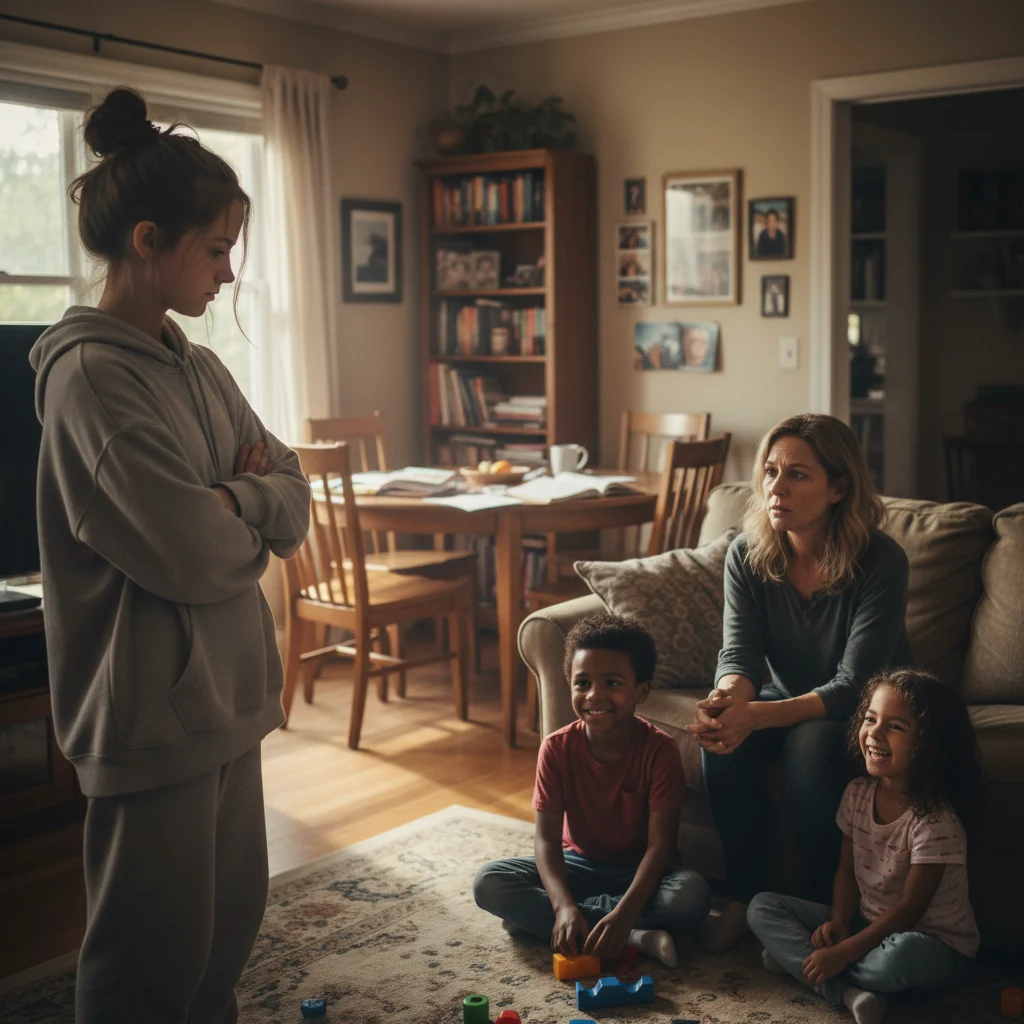
She thought it was a simple act of neighborly kindness. She was wrong.
Living in a close-knit apartment complex often means sharing more than just walls. It means sharing casual pleasantries, the occasional cup of sugar, and sometimes, stepping up when someone is having a hard time. For one twenty-eight-year-old woman, offering a lifeline to a struggling single mom felt like the natural thing to do.
She handed over the keys to her digital kingdom—her streaming accounts—with one simple, highly specific condition: keep it a secret. It was supposed to be a quiet gesture so a young girl could watch her favorite cartoons without adding financial strain to her mother’s plate.
But good deeds have a funny way of snowballing. What began as a generous favor quickly morphed into a bizarre standoff when the original boundaries were casually tossed aside. An unfamiliar profile appeared, an ex-boyfriend entered the chat, and suddenly, a boundary-setting measure escalated into building-wide gossip.
Curious how it all unfolded? The full story is right below.


The arrangement started with the purest of intentions—a quiet, low-stakes favor meant to ease a struggling neighbor’s daily burden.
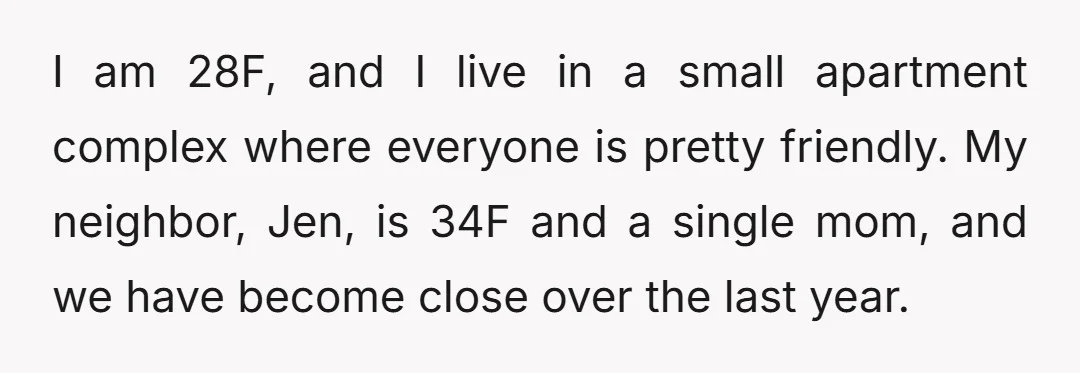
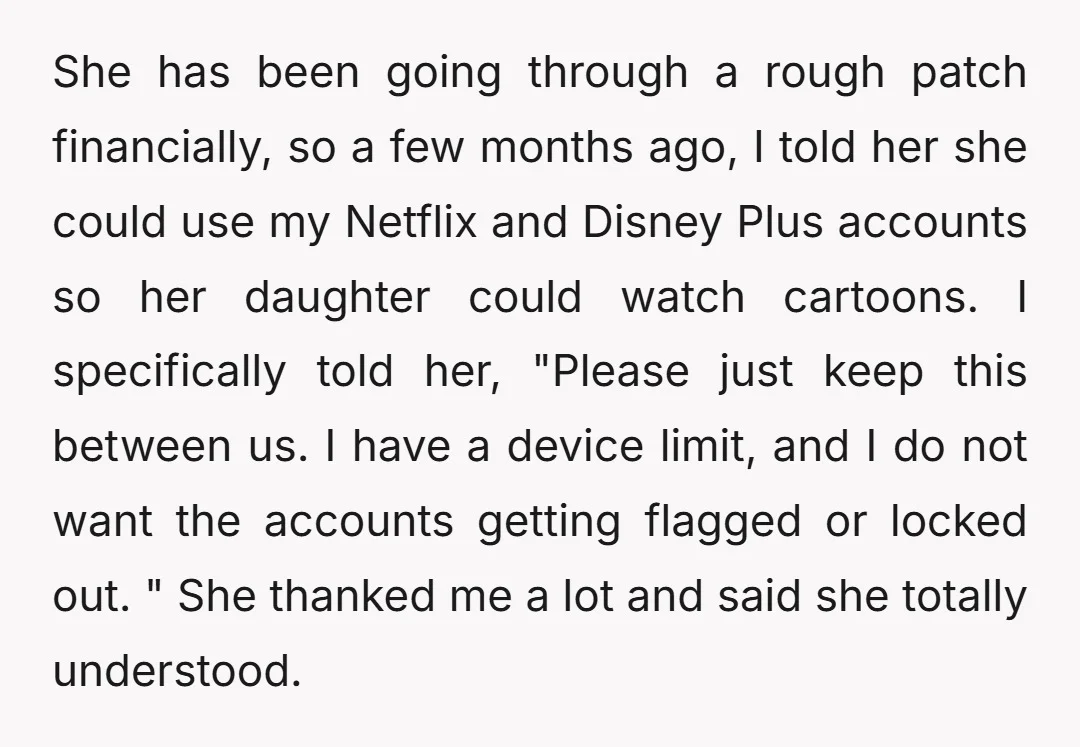
Just like that, the quiet favor had grown a new, uninvited branch, shattering the one rule holding the agreement together.
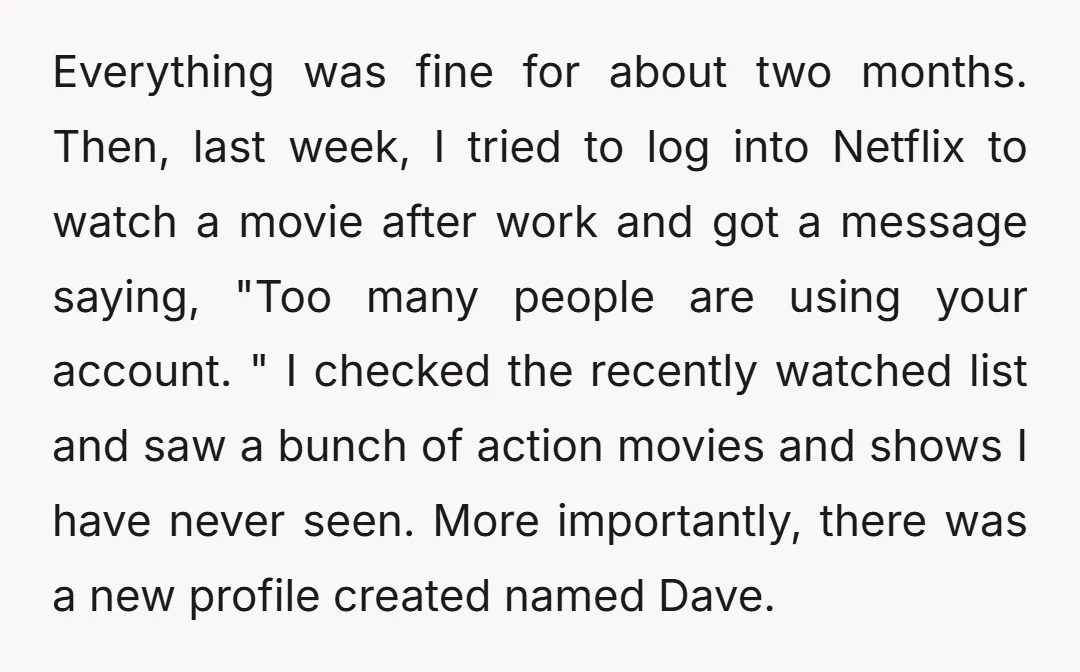
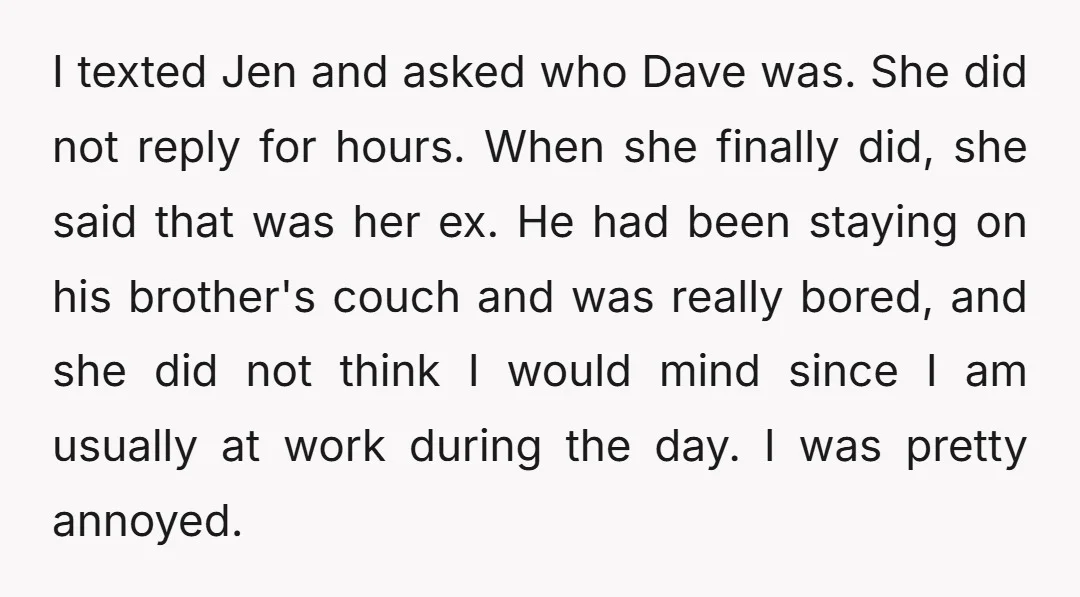
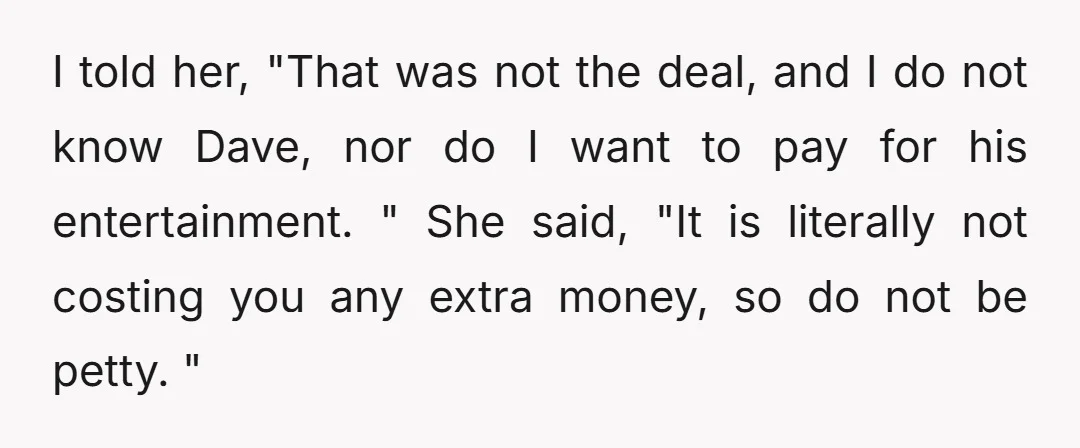
The swift enforcement of a boundary instantly transformed a generous neighbor into the building’s newest public enemy.
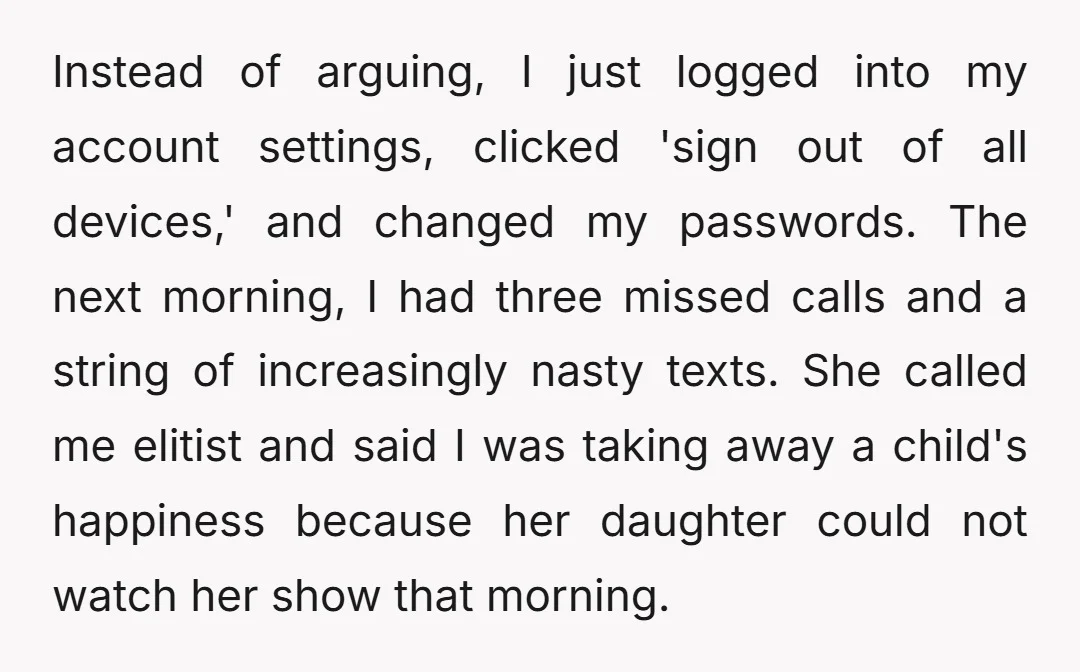
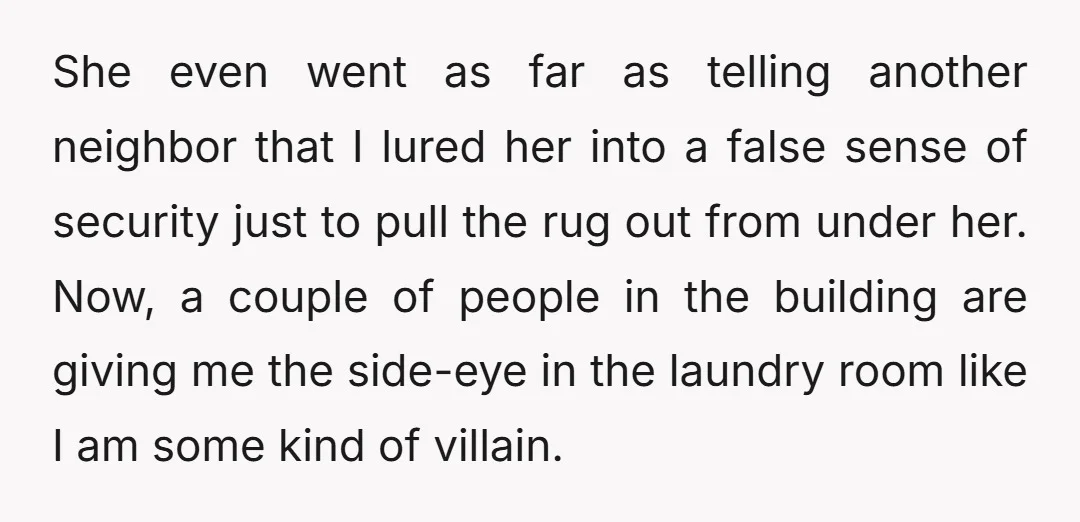
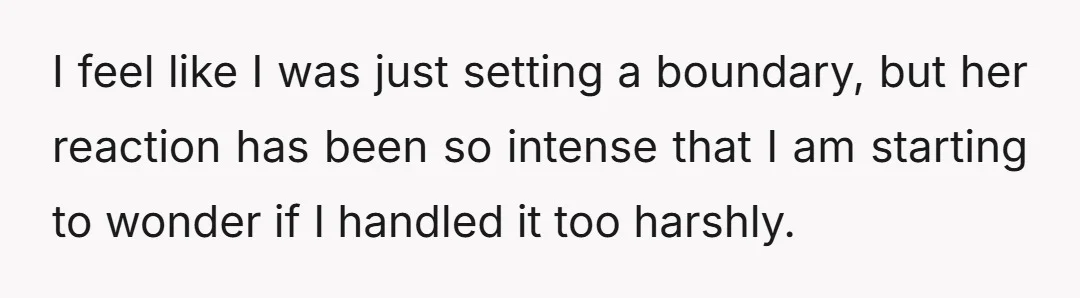
The dynamic at play here directly connects to the story we just read, illustrating the psychology of entitlement. This occurs when a voluntary favor slowly morphs into an expected right. When the original boundaries of a gift are blurred, the recipient can begin to feel a false sense of ownership over the resource.
Entitlement often acts as a psychological defense mechanism. In this case, it masks deeper feelings of embarrassment or inadequacy. When Jen was caught breaking the one rule of the arrangement, her immediate reaction wasn’t to apologize, but to attack, violating the core trust in friendships.
By sharing her login, the original poster unknowingly stepped into a highly complex web of digital boundary management. Password sharing is a significant step that requires mutual respect and a strong sense of autonomy. When Jen handed over the login to her bored ex-boyfriend, she violated the core condition of the agreement.
Her subsequent backlash—calling her neighbor elitist and accusing her of stealing a child’s happiness—is a classic deflection tactic. It is a form of cognitive dissonance; instead of accepting that she ruined a good thing by breaking trust, she rewrites the narrative to make herself the victim.
For anyone navigating a similar digital dilemma, the best course of action is to maintain firm boundaries without over-explaining. Moving forward, clearly state your limits upfront and enforce them immediately if crossed. You might also read up on setting boundaries with neighbors to keep the peace while protecting your own resources.
Navigating neighborhood relationships can be tricky, especially when digital favors cross the line into real-world drama. This situation highlights how easily a kind gesture can be taken for granted when clear expectations are ignored.
Community Opinions
Reddit came in hot—nearly unanimous in their support for the original poster, with many pointing out the sheer audacity of the neighbor’s manipulative reaction.
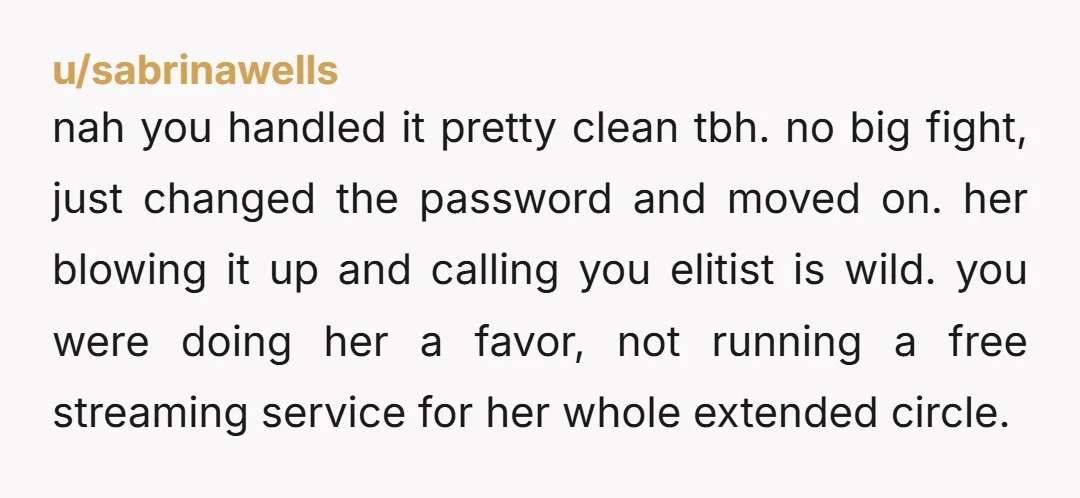
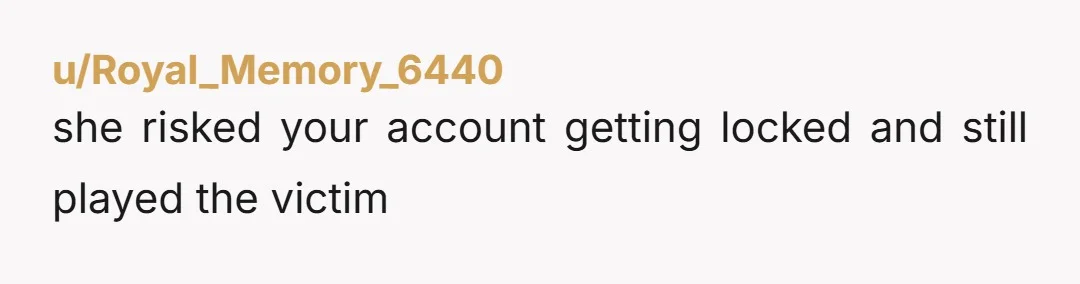
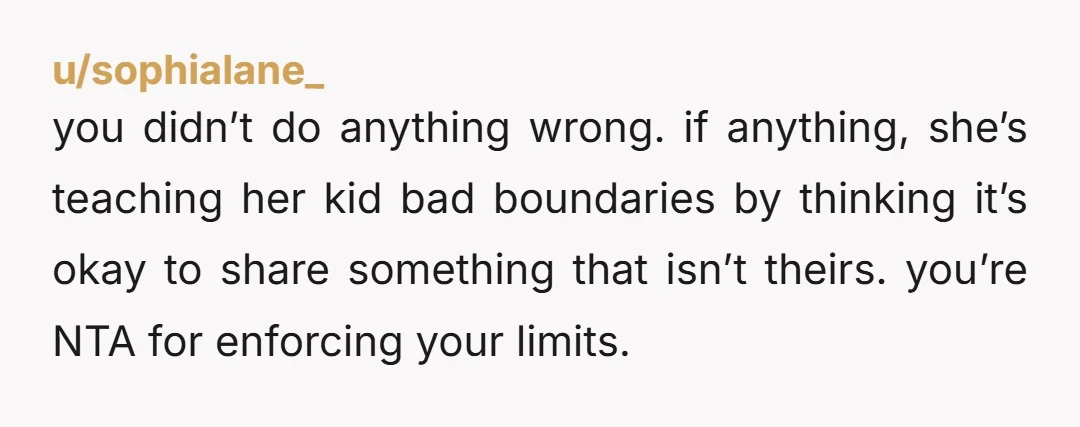
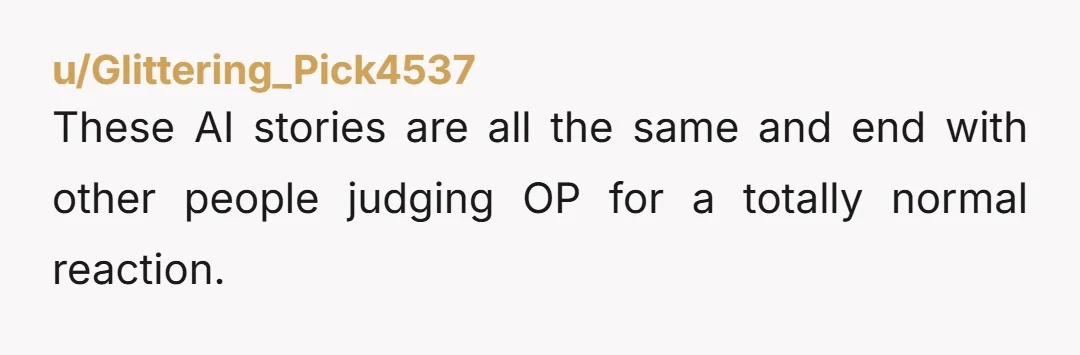
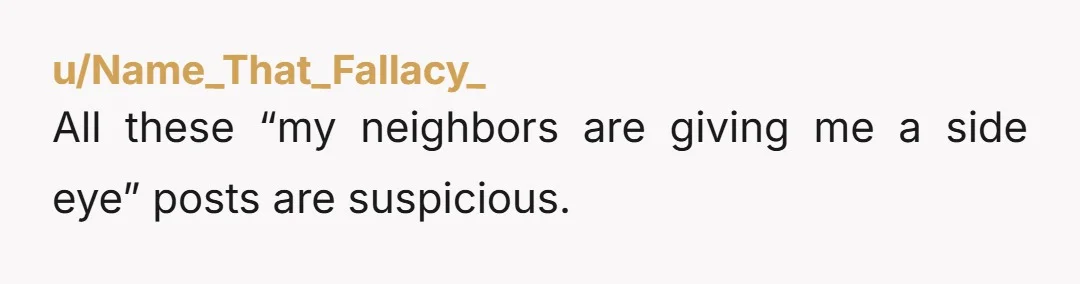
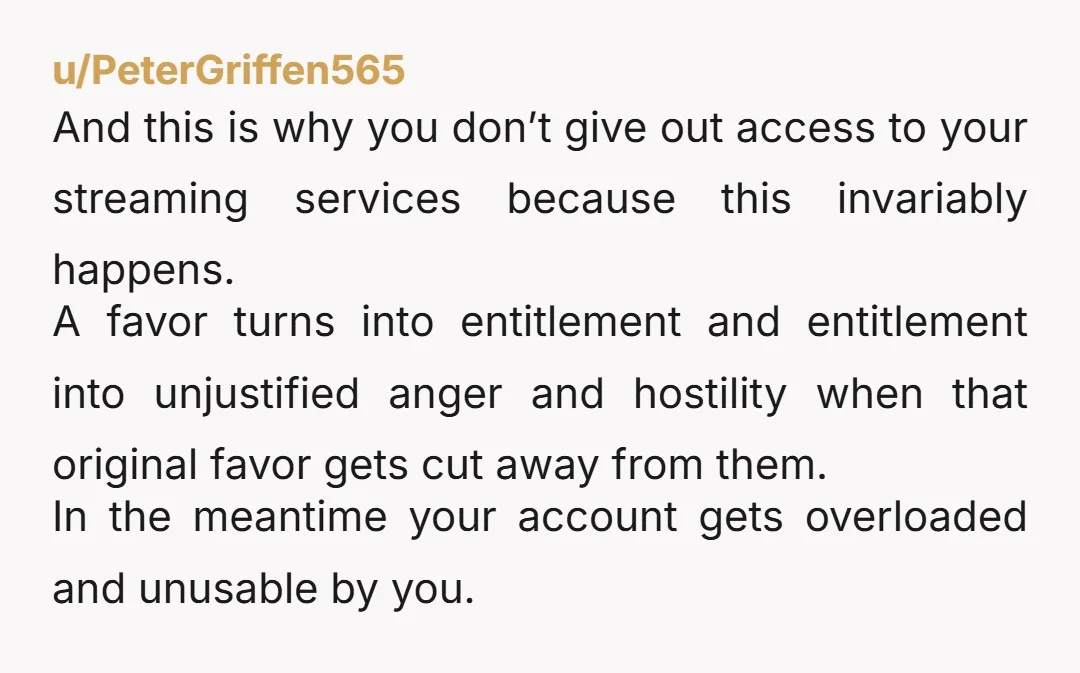
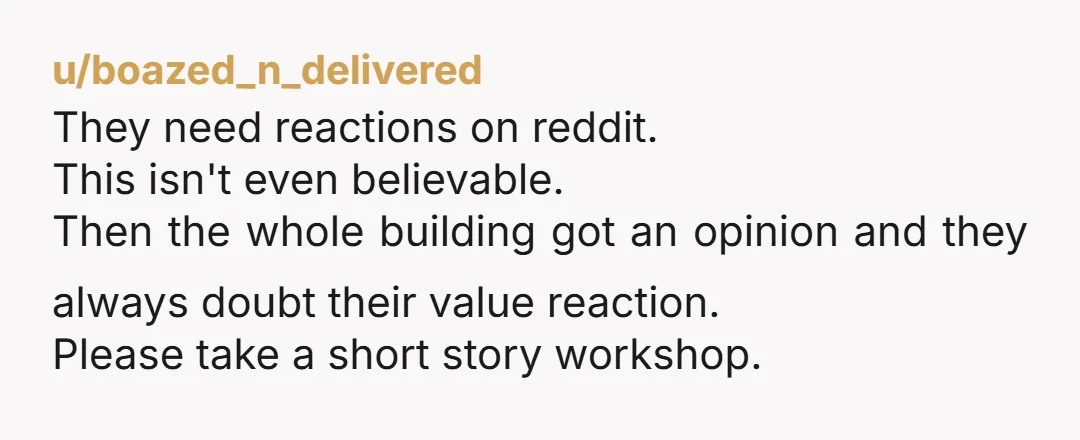
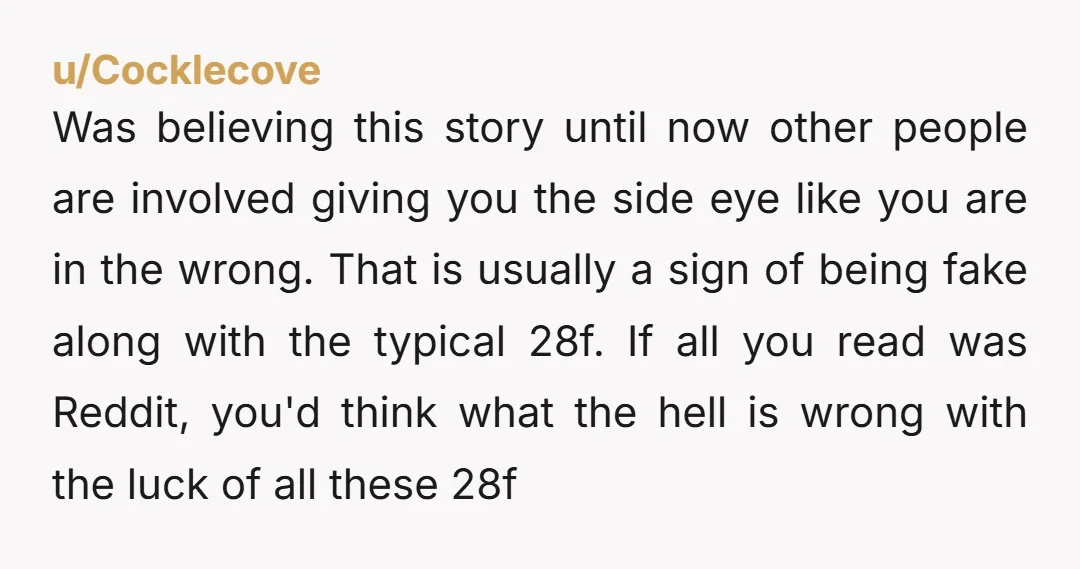
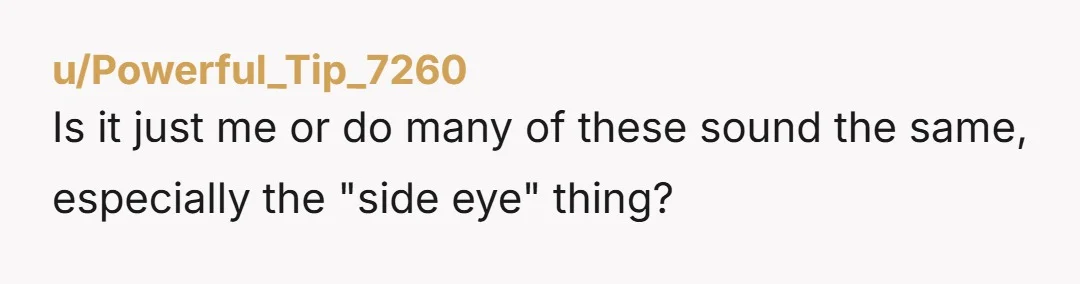
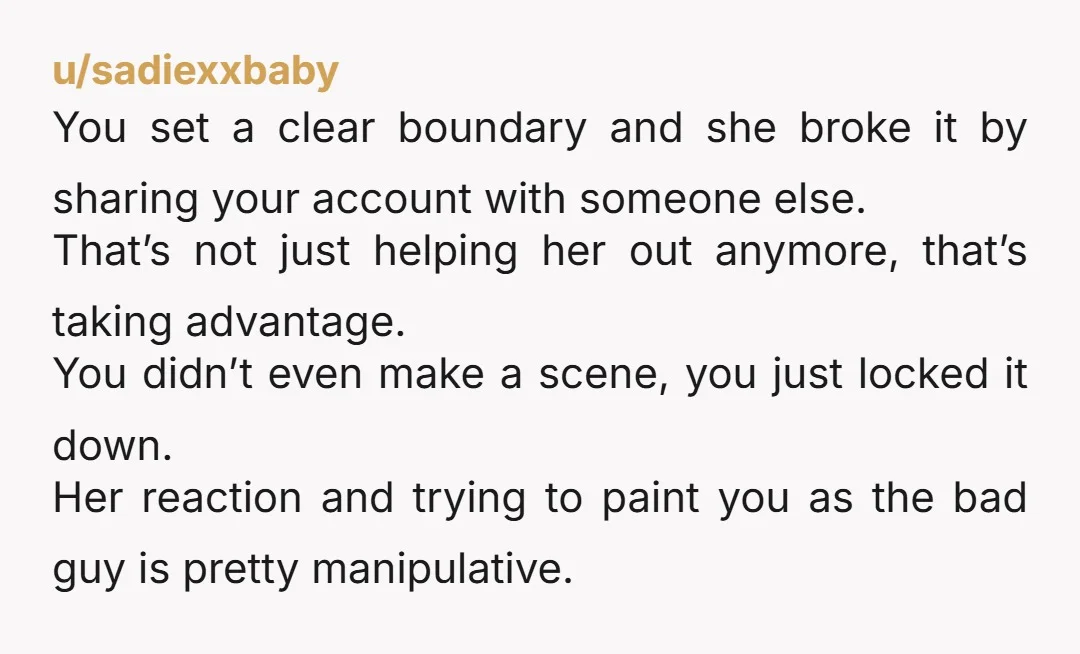
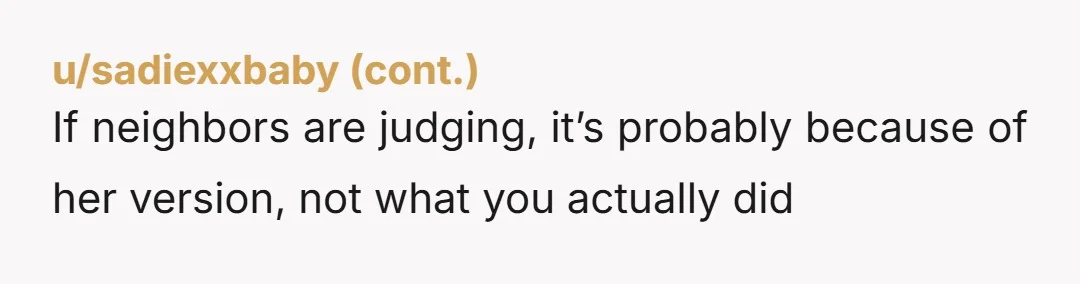
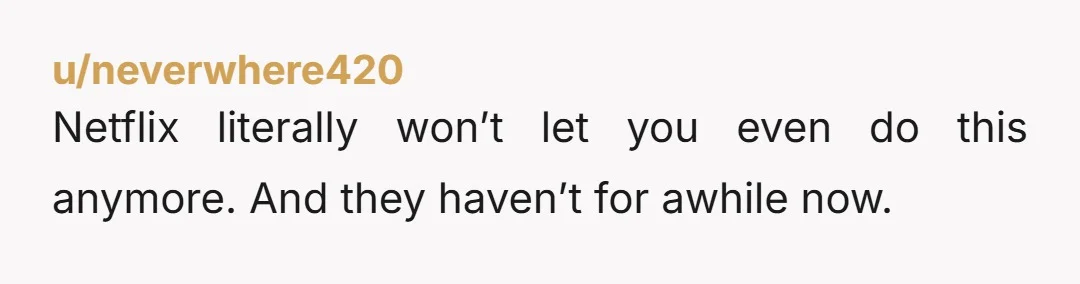
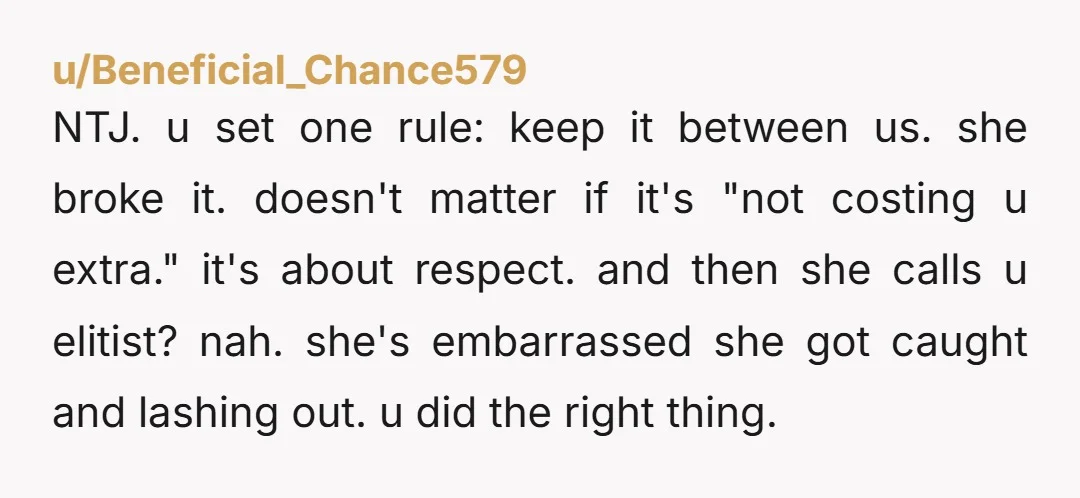
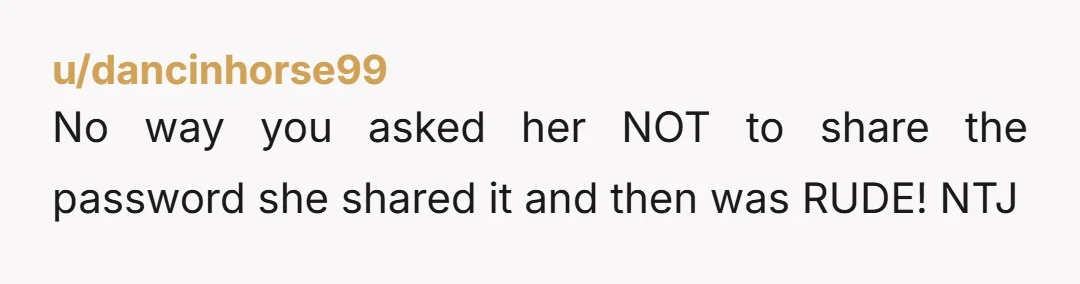
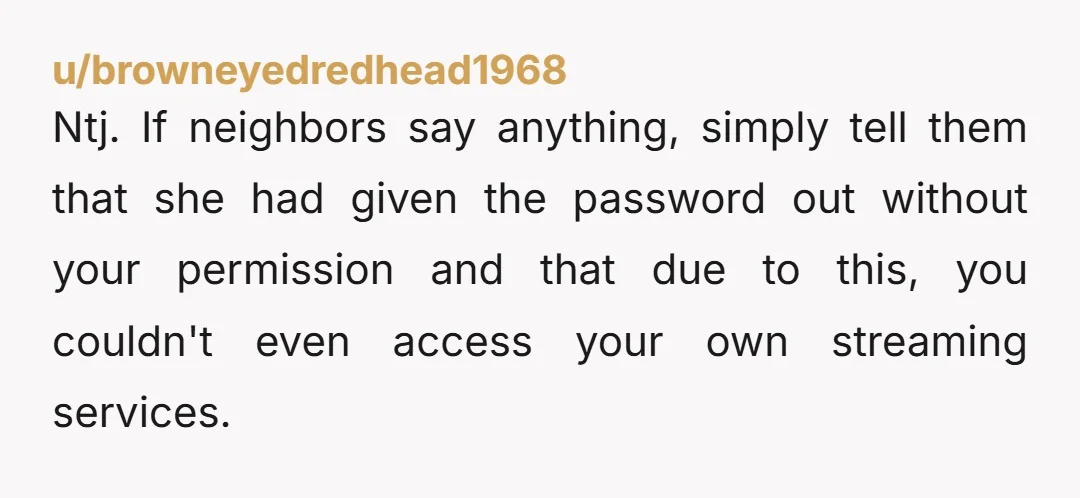
A few seasoned commenters even noted that offering digital favors almost always ends up becoming a cautionary tale of exploitation.
Navigating neighborly relationships can often feel like walking a tightrope, especially when genuine good deeds are met with unexpected hostility. The original poster simply wanted to provide a bit of joy for a child, but instead ended up learning a harsh lesson about the reality of password sharing and the limits of neighborhood favors.
Do you think she was completely justified in pulling the plug without a second warning, or did she react a little too swiftly? And how would you handle the deeply awkward laundry room encounters moving forward?
Share your hot take below!