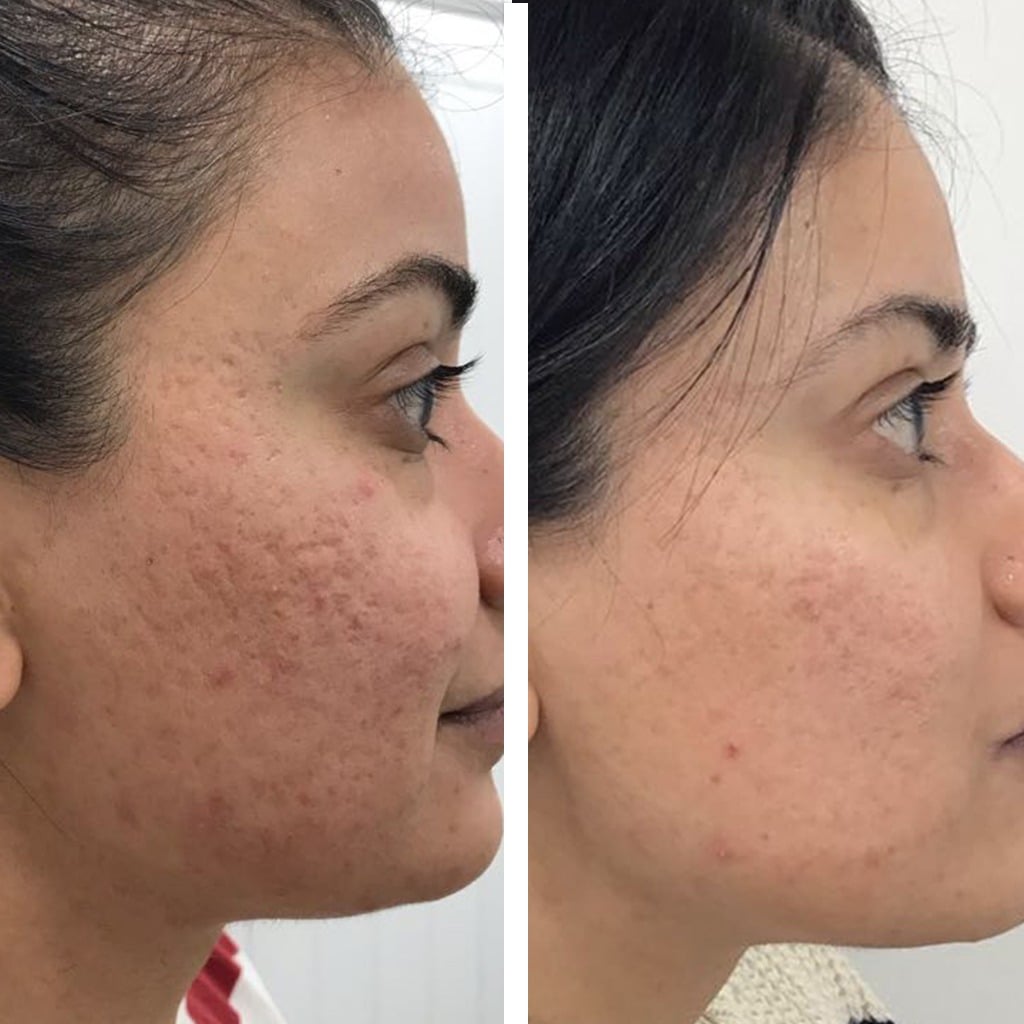
Everybody has different skin, so it’s smart to use things that work for your skin. Dark skin has more color (melanin) than light skin. The cells that make melanin in dark skin can be sensitive, so issues might show up more. There are lots of fancy skincare products, and it might be confusing. But it depends on how much money you want to spend. The good thing is, there’s something for every budget. You can even make your own stuff if you prefer. To keep your skin healthy, use a routine that matches your skin type, whether it’s oily or dry. If your skin is darker, there are special tips and products. For Black women and those with deeper skin tones, we’ll share easy tips to make your skin look and feel great. Stay tuned for simple advice to let your natural beauty shine.But don’t worry, we’re here to assist you in finding the right skin care routine steps for black skin.
1.Cleanse and moisturize daily
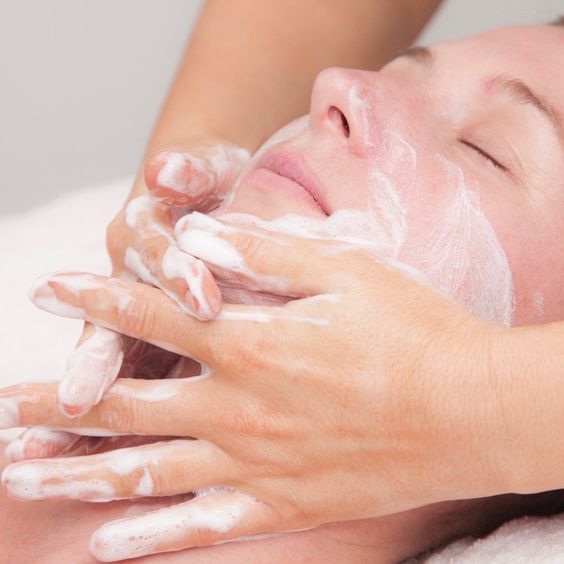
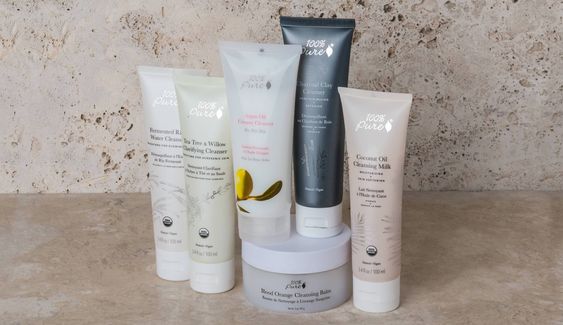
Using a cleanser is super important for your skin routine. It washes away the dirt and yucky stuff your skin picks up during the day. It also helps prevent clogging your pores. If you have black skin and deal with acne, it’s best to go for a non-comedogenic cleanser.
Common Ingredients in cleansers:
- Retinol
- Salicylic acid
- Glycerin
How to use:
1.Wash your face in the morning and at night with warm water.
2.Use a gentle, non-soap cleanser to clean your face.
3.Use your fingers to massage the cleanser in circles for about 30 seconds.
4.Rinse your face with warm water.
5.Pat your face dry with a clean towel, but don’t rub too hard. Use a towel that’s not dirty.
| Aspect | Cleanse & Moisturize Daily |
| Cleanse | Removes impurities, prevents breakouts. |
| Moisturize | Hydrates, prevents dryness, and flakiness. |
| Routine | Establish daily for healthier skin. |
| Anti-Aging | Reduces fine lines, wrinkles over time. |
| Barrier Support | Enhances skin’s defense against stressors. |
| Overall Health | Leaves skin refreshed, soft, and nourished. |
2.Include a Toner in Your Natural Skin Care Routine Steps for Black Skin
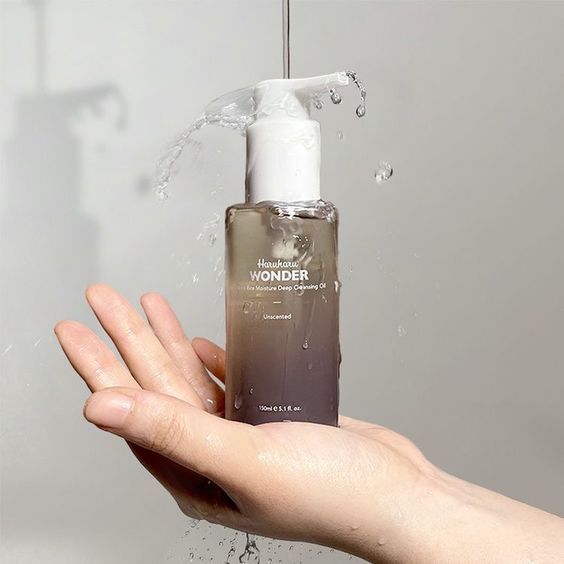
Toners can be called different things like oil, tonic, or facial mist. But not everything labeled as a toner really is one. So, when you get one, look at what’s inside and what it says it does. A good toner keeps your skin hydrated and maintains its natural moisture. This helps avoid issues with sensitive skin or making it too dry, which might be something you worry about.
Common Ingredients
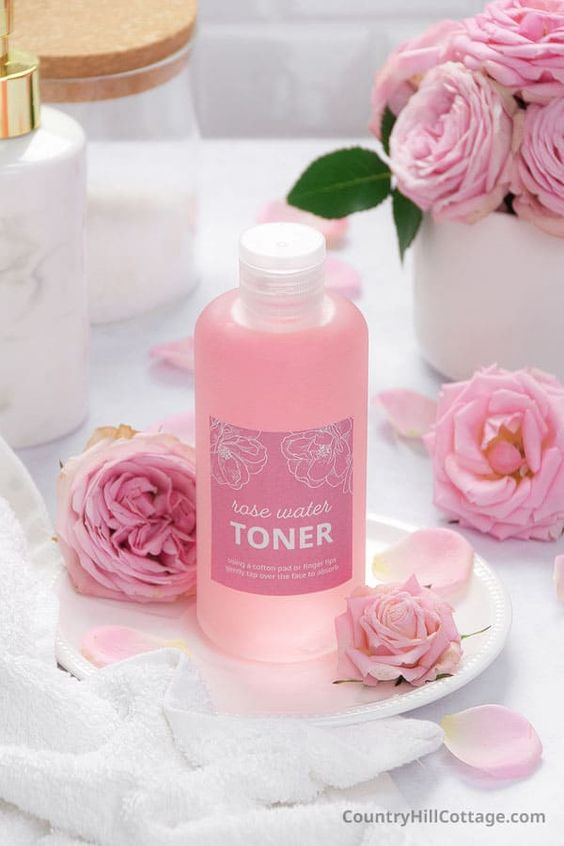
- Witch hazel
- Chamomile
- Rosewater
How to use:
Use a little bit of serum and gently pat it onto your skin using your fingertips. Don’t rub it in, just let your skin soak it up naturally.
| Aspect | Information |
| Purpose | Balances skin pH, removes traces of impurities |
| Ingredients | Natural extracts (e.g., rosewater, witch hazel) |
| Benefits | Hydration, soothing, preps skin for next steps |
| Application | Use after cleansing, before moisturizing |
| Frequency | Daily or as needed |
| Avoid | Alcohol-based toners, harsh chemicals |
| DIY Options | Green tea toner, apple cider vinegar toner |
| Tips | Patch test new products, choose alcohol-free |
Related:The Best Homemade Face Mask For Glowing Skin
3.Moisturize

If your face feels soft and moist, you might wonder why you should use moisturizer. Well, it’s key for getting that radiant, glowing skin.Our skin care routine steps for black skin involves acknowledging that it produces its own oil, and moisturizer plays a role in managing this. For optimal results, practice gentleness and avoid rubbing too hard, especially if you have skin issues.
Instead, use gentle upward strokes.
Common Ingredients:

Shea Butter
Hyaluronic Acid
Jojoba Oil
How to use:
Use your fingertips to apply a small quantity of moisturizer to your face, gently massaging to facilitate absorption into the skin.
| Purpose | Hydrates and nourishes the skin |
| Ingredients | Hyaluronic acid, natural oils |
| Benefits | Prevents dryness, enhances skin barrier |
| Application | After cleansing and toning |
| Frequency | Twice daily (morning and night) |
| Avoid | Harsh chemicals, excessive fragrance |
| DIY Options | Coconut oil, aloe vera gel |
4.Protect
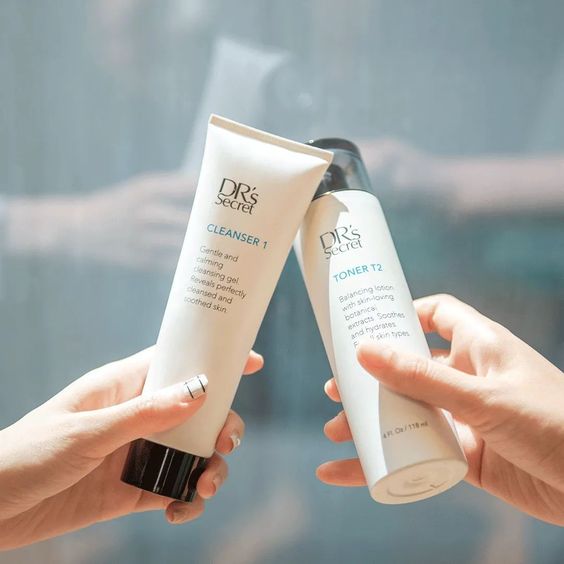
People sometimes think dark skin doesn’t need sunscreen because it has melanin protection, but that’s not right. Every skin type needs sunscreen. If your skin has a lot of melanin, use SPF 30 or higher. Even on cloudy days, dark skin can still get sunburned, so wear sunscreen every day. Be careful with some sunscreens that have harmful chemicals. Look for a natural alternative after doing some research.
Common Ingredients:
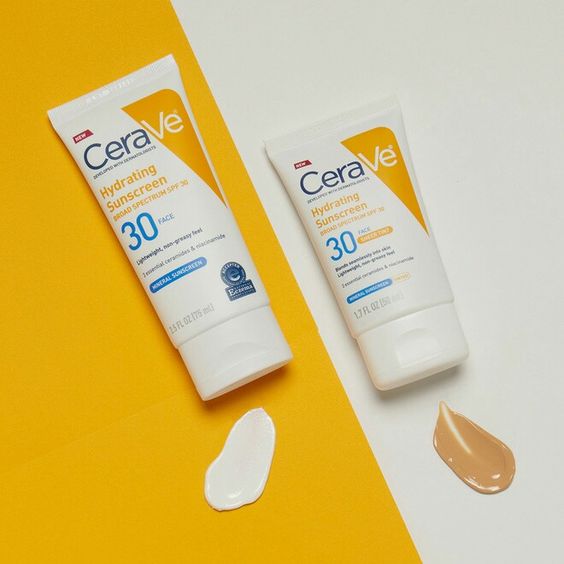
- Titanium Dioxide
- Zinc Oxide
- Oxybenzone
How to use:
Put on sunscreen 30 minutes before heading out in the sun, and make sure to reapply it every two hours.
| Aspect | Information |
| Purpose | Shields skin from UV rays and environmental stressors |
| Products | Sunscreen (SPF), antioxidants |
| Benefits | Prevents sun damage, premature aging, and skin cancer |
| Application | Daily, even on cloudy days; reapply every 2 hours |
| SPF Recommendation | Minimum SPF 30 for daily use |
| Additional Tips | Wear protective clothing, seek shade during peak hours |
5.Eye Cream
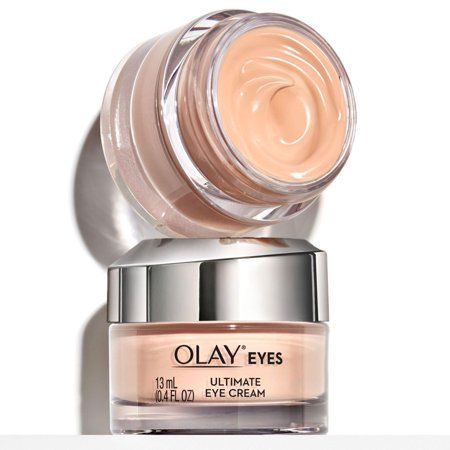
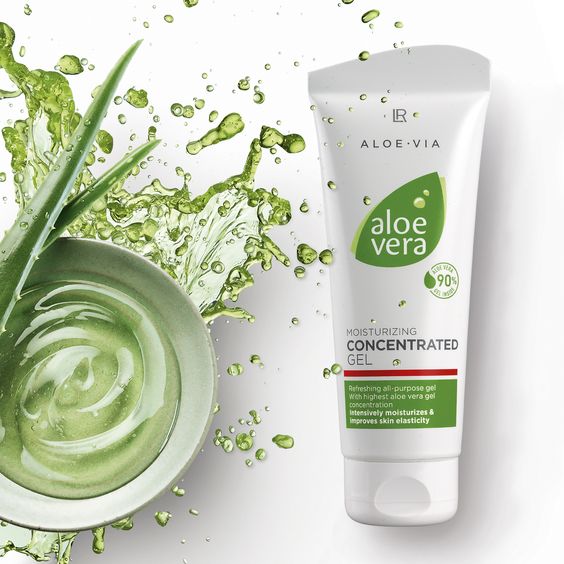
Eye cream is not just for older people; it’s great for everyone! The skin under your eyes in the skin care routine steps for black skin is thin and sensitive, so it’s important to protect and take care of it. If you have puffiness or dark circles in the morning, using eye cream can help. Just pick one that fits your needs and make sure to read the instructions – some are just for under the eyes, while others can be used in different areas around the eyes.
Common Ingredients:
Jojoba Oil
Vitamin E
Aloe Vera
How to use:
Gently apply a small amount of eye cream to the under-eye area using your ring finger, tapping it in until fully absorbed, both morning and night.
| Purpose | Targets fine lines, dark circles, puffiness |
| Ingredients | Hyaluronic acid, peptides, caffeine, vitamin C |
| Benefits | Hydration, wrinkle reduction, brightening |
| Application | Gently pat around eyes, twice daily |
| Avoid | Applying too close to or into the eyes |
| Best Time | Morning and night, after cleansing |
| SPF Consideration | Choose daytime eye creams with sun protection |
| Tips | Use ring finger, start with a small amount |
Related: 35+ Unusual But Effective Korean Skincare Tips
6. Always wear sunscreen

A common misconception is that black skin doesn’t burn, and therefore, sunscreen isn’t necessary. This is false; everyone should use sun protection. While the risk of skin cancer is lower for the skincare routine steps for black skin, it can be more dangerous if it does occur. Skin issues like dark spots, especially with conditions like melasma, can be worsened by sun exposure, making it essential for everyone to protect their skin.
Common Ingredients:
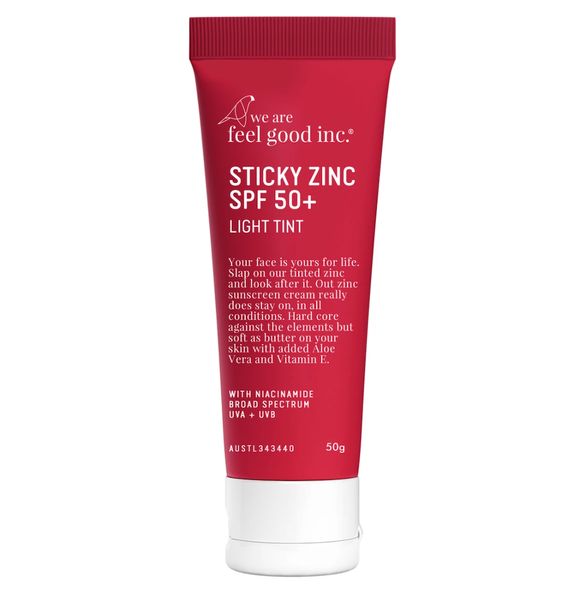
Zinc Oxide
Octocrylene
Vitamin E
How to use:
Apply sunscreen generously to all exposed skin 15 minutes before sun exposure, and reapply every two hours or more frequently if swimming or sweating.
| Point | Description |
| Protection | Shields the skin from harmful UV rays |
| Prevents Sunburn | Reduces the risk of painful sunburn |
| Skin Cancer Risk | Lowers the chances of skin cancer development |
| Anti-Aging | Helps prevent premature aging and wrinkles |
| Even Skin Tone | Aids in maintaining an even and healthy skin tone |
| Daily Necessity | Essential for daily skincare routine |
7.Acne

Research indicates that darker skin tones react differently during a breakout, with acne often leaving persistent marks that affect darker skin in a distinct way compared to lighter skin.
Common Ingredients:
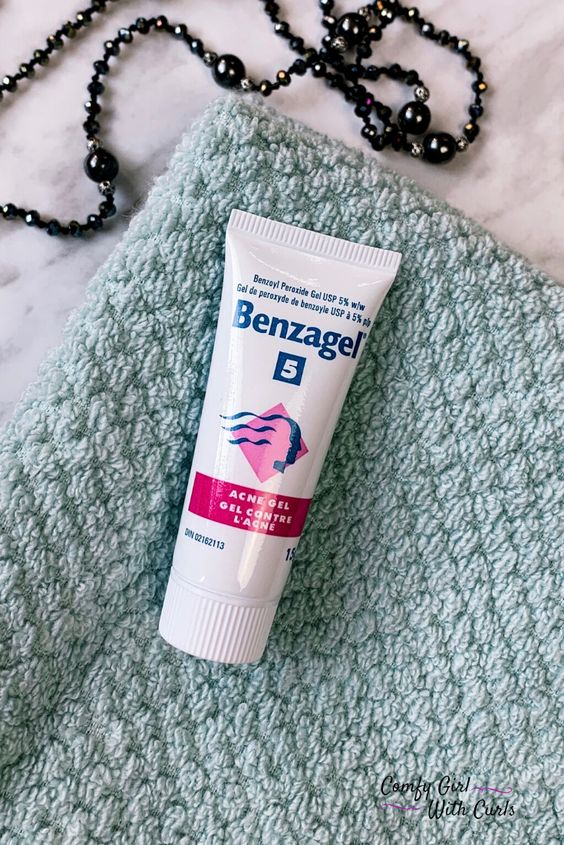
Benzoyl Peroxide
Salicylic Acid
Retinoids (e.g., Retinol)
How to use:
Apply a thin layer of benzoyl peroxide or salicylic acid directly to clean, dry skin affected by acne, and incorporate retinoids into your nighttime routine, using them sparingly at first to minimize irritation.
| Aspect | Description |
| Skin Characteristics | Black skin may develop dark spots and keloids from acne. |
| Challenges | Higher risk of scarring and resistance to some treatments. |
| Treatment Approach | Use gentle, non-comedogenic products; focus on inflammation and pigmentation prevention. |
| Topical Treatments | Niacinamide, retinoids, and acids may help, but start cautiously. |
| Sun Protection | Vital to prevent darkening of acne scars; use SPF daily. |
| Dermatologist Role | Consult a dermatologist for personalized treatment plans. |
8.LookOut For Dark Spots

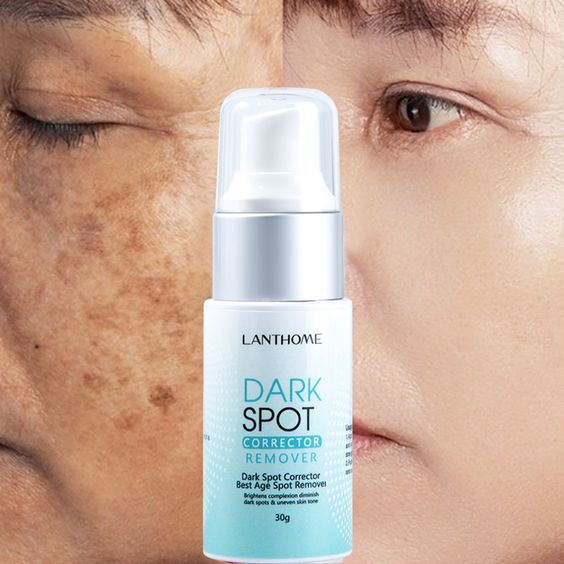
People with darker skin tones may develop dark spots on their skin, like post-inflammatory hyperpigmentation, due to triggers such as pimples, insect bites, or cuts. These spots happen when the skin produces more melanin as part of the healing process. The good news is that these dark spots don’t have to stay forever.
Common Ingredients:
Vitamin C
AHAs (e.g., glycolic acid, lactic acid)
Retinoids (e.g., retinol)
Niacinamide (Vitamin B3)
Licorice Extract
Kojic Acid
Hyaluronic Acid
Arbutin
Sunscreen (with Broad Spectrum SPF)
| Aspect | Description |
| Significance | Indicates potential skin issues or underlying conditions |
| Appearance | Pigmented areas darker than surrounding skin |
| Possible Causes | Sun damage, age spots, melasma, hyperpigmentation |
| Skin Types | More common in fair-skinned individuals |
| Prevention | Sunscreen usage, protective clothing, regular skincare |
| Medical Attention | Consult a dermatologist for evaluation and treatment |
Daytime Skincare Routine
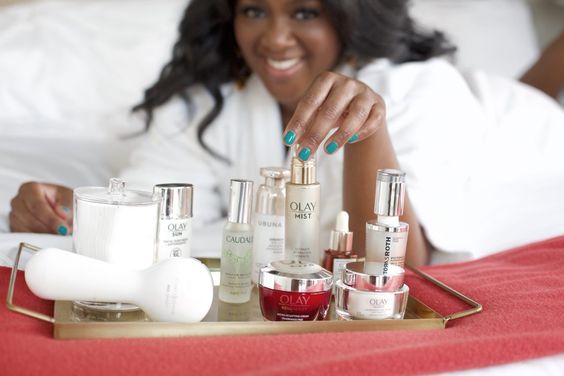
Look at your skin care routine steps for black skin type and consider what your product says – some work better during the day, while others are more suitable for night use.Check instructions and do a bit of research.In the day, protect your skin from sun and pollution, keep it hydrated. Cleanse, tone if needed, use morning stuff (like Vitamin C), moisturize, and put on sunscreen! If your skin is oily, skip some extras to avoid more oil. Even at home, don’t forget sunscreen!
Night time Skincare Routine
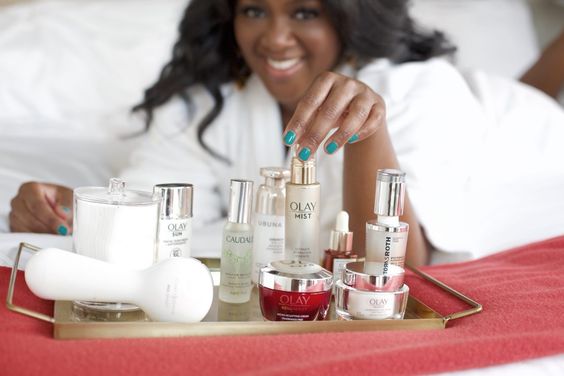
At night, clean your face, use special treatments for issues like acne or dryness, and moisturize to keep your skin hydrated.For products, use anti-aging stuff like retinol mostly at night because it makes your skin sensitive to sunlight. Chemical exfoliants, like The Ordinary AHA/BHA peel, are also better for nighttime and can make your skin sensitive to sunlight, so wear sunscreen if you use them during the day! Vitamin C can be used day or night to brighten the skin.
Conclusion
In conclusion, the best skin care routine steps for black skin involve a thoughtful approach that considers its unique characteristics. Prioritizing hydration, protection from the sun, and targeted treatments for concerns like hyperpigmentation can contribute to a healthy and radiant complexion. It’s crucial to choose products with suitable ingredients, such as those addressing specific skin needs and avoiding potential irritants. Ultimately, a well-rounded skincare routine, tailored to individual skin types and concerns, is key for maintaining the health and vibrancy of black skin.
FAQs
1.Can black skin get sunburned?
Yes, although the risk is lower, it’s crucial to maintain skin care routine steps for black skin, as it can still get sunburned. Using sunscreen is essential to maintain protection against this risk.
2.Is it necessary to use specific products for black skin?
While not mandatory, using products tailored to black skin’s unique needs, like those addressing hyperpigmentation, can be beneficial.
3.Can a skin care routine help with acne and blemishes in black skin?
Yes, a targeted skin care routine steps for black skin can help address acne and blemishes. Look for products with salicylic acid or benzoyl peroxide, but avoid excessive drying, as it can lead to post-inflammatory hyperpigmentation.
4.Is it necessary to consult a dermatologist for a personalized skin care routine?
Consulting with a dermatologist is recommended to address individual skin concerns and receive personalized advice on the most effective products and routines for your specific skin type.
5.What makes a skin care routine different for black skin?
The melanin content in skin care routine steps for black skin influences its unique needs, requiring specific attention to hyperpigmentation, moisture, and protection from sun damage.