
A 24-year-old man is the product of an affair. His biological father and that man’s wife chose to save their marriage by cutting all contact with him and his mother. His mother’s family also disowned her (and him) for the same reason. He grew up feeling intrinsically wrong and worthless, even reaching a point of self-harm. The only consistent support came from his boyfriend, Luke.
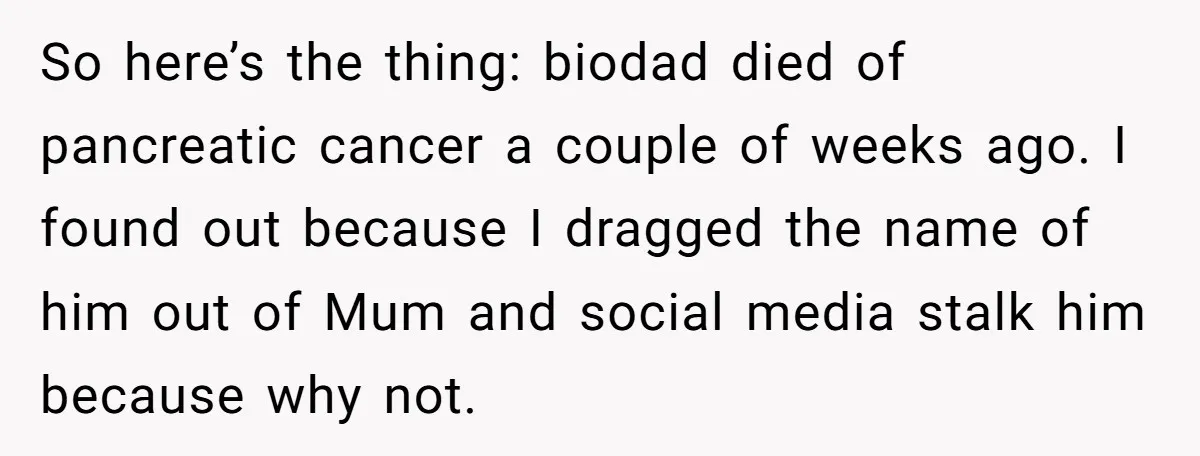
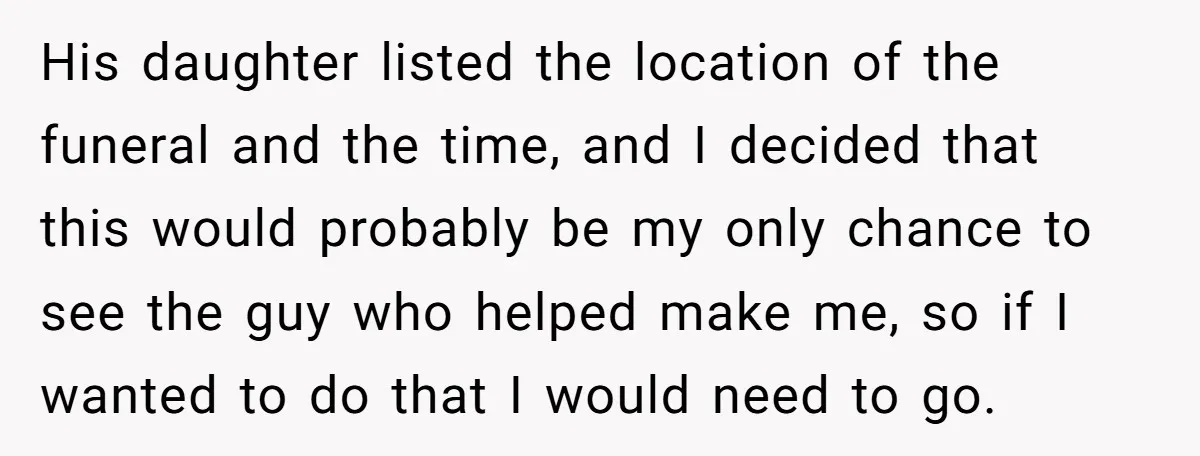
When his biological father died of pancreatic cancer, he decided to attend the funeral — his one chance to see the man who helped create him. His presence was immediately recognized, leading to screaming, insults, and being forced to leave. Now he’s receiving hateful messages and plans to attend his maternal grandparents’ funerals too. Is he the asshole for showing up and refusing to stay away?

‘AITA for attending biodad’s funeral as the affair baby?’
The backstory is filled with rejection:

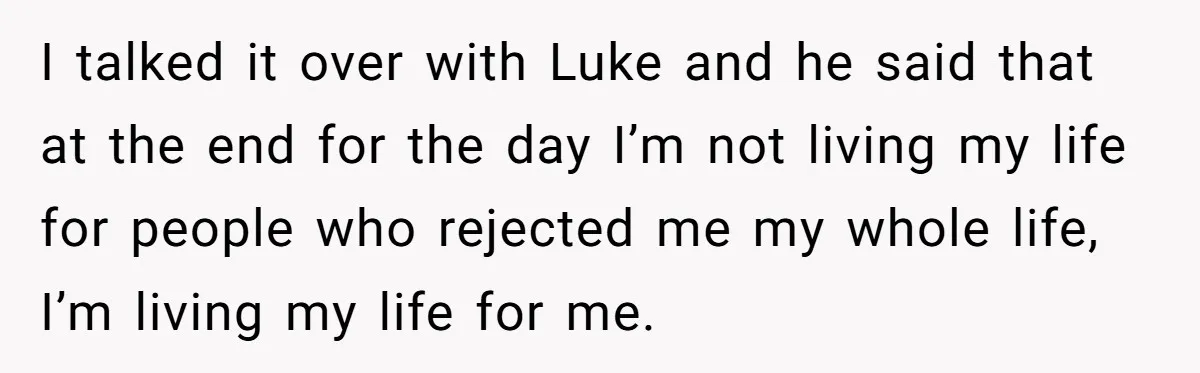
His boyfriend became his anchor:
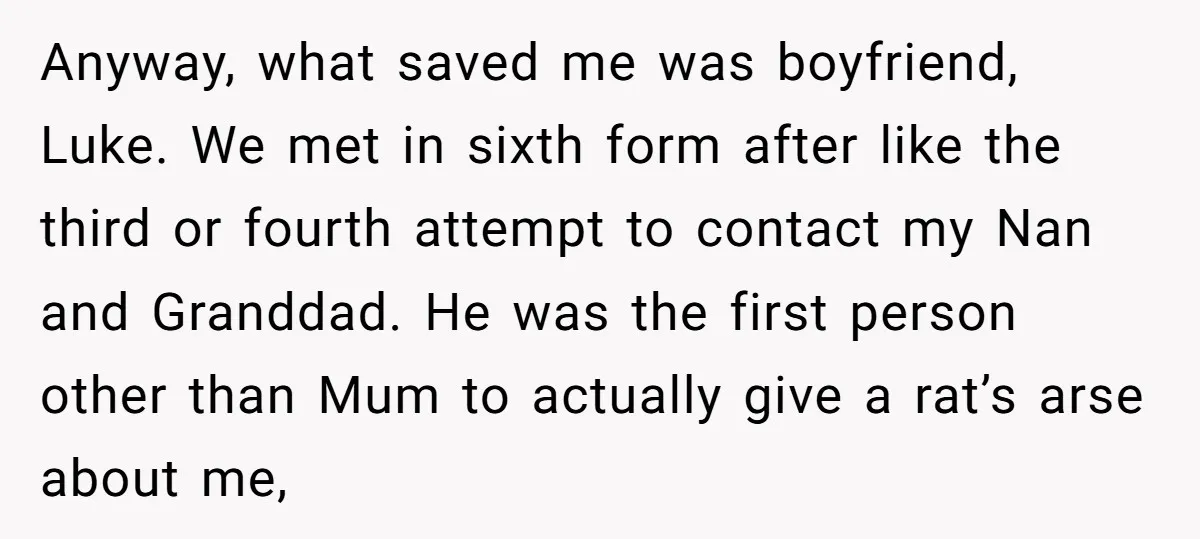
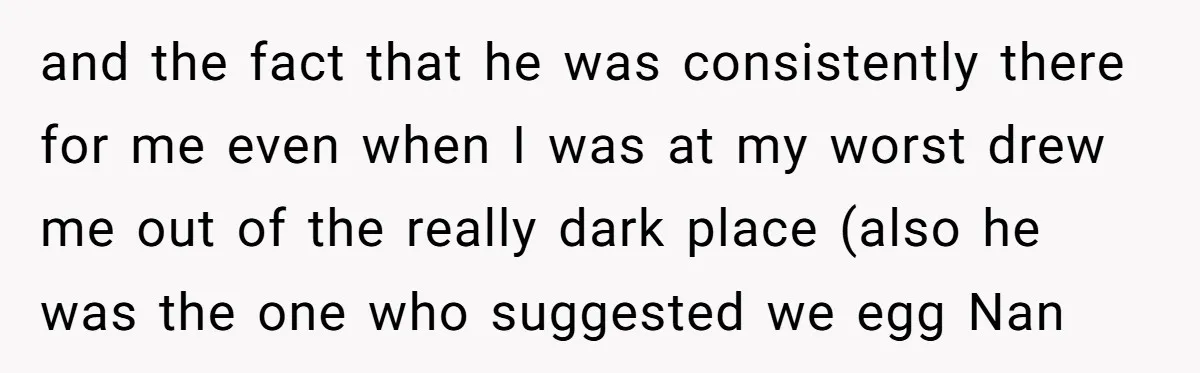
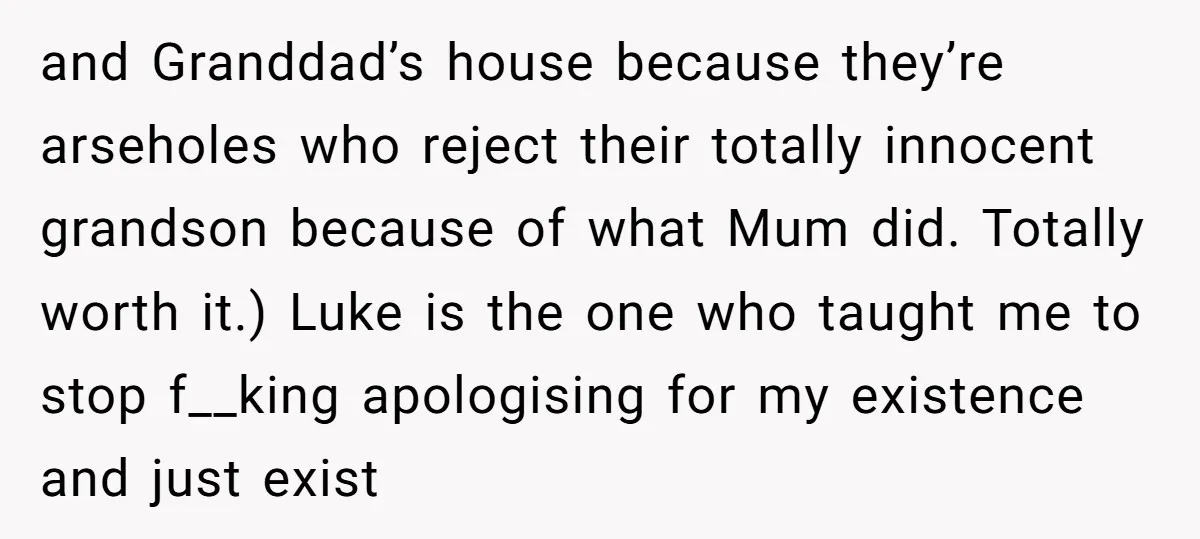
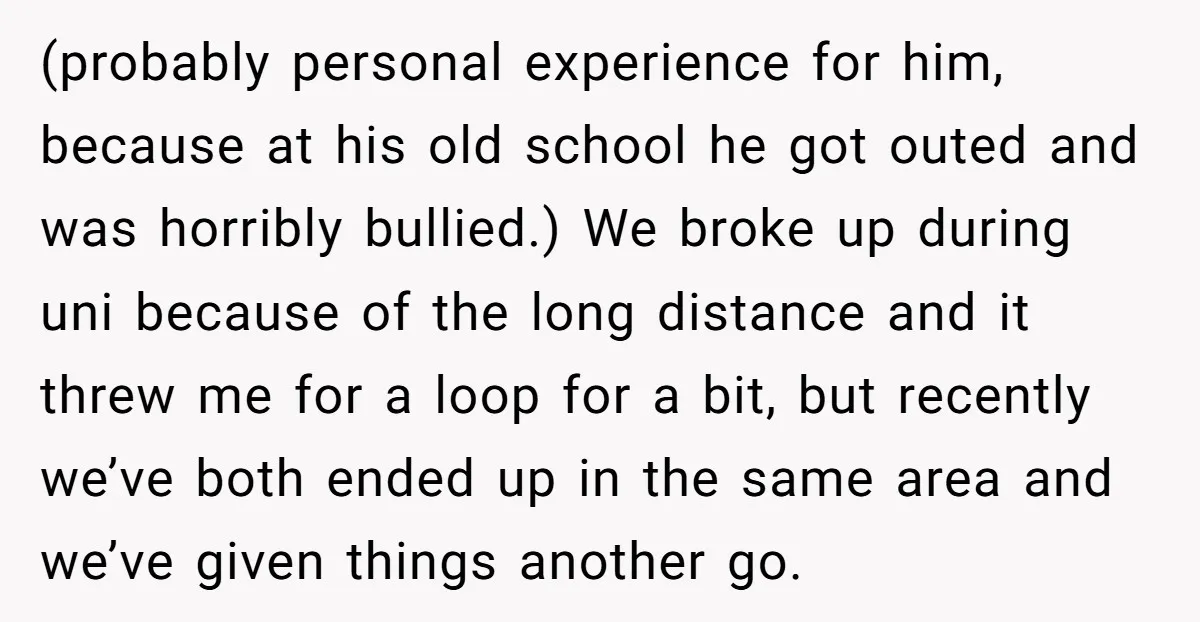
He decided to attend the funeral:
The confrontation was brutal:
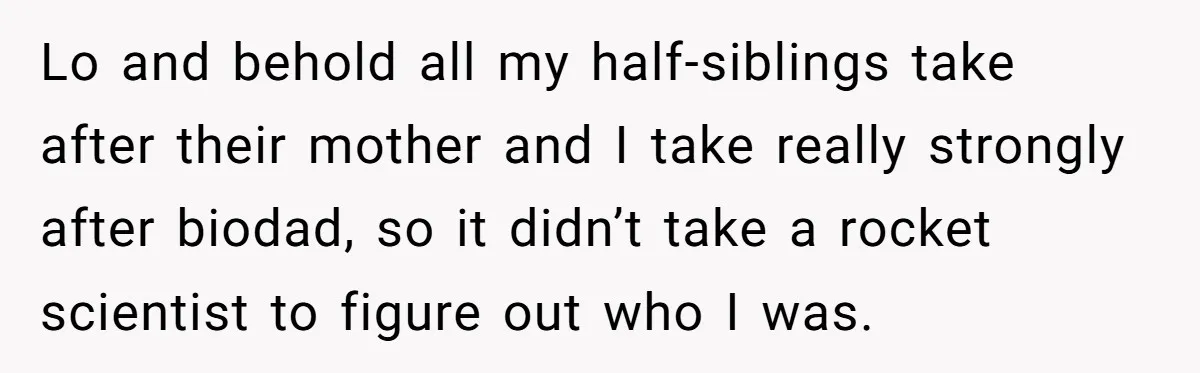
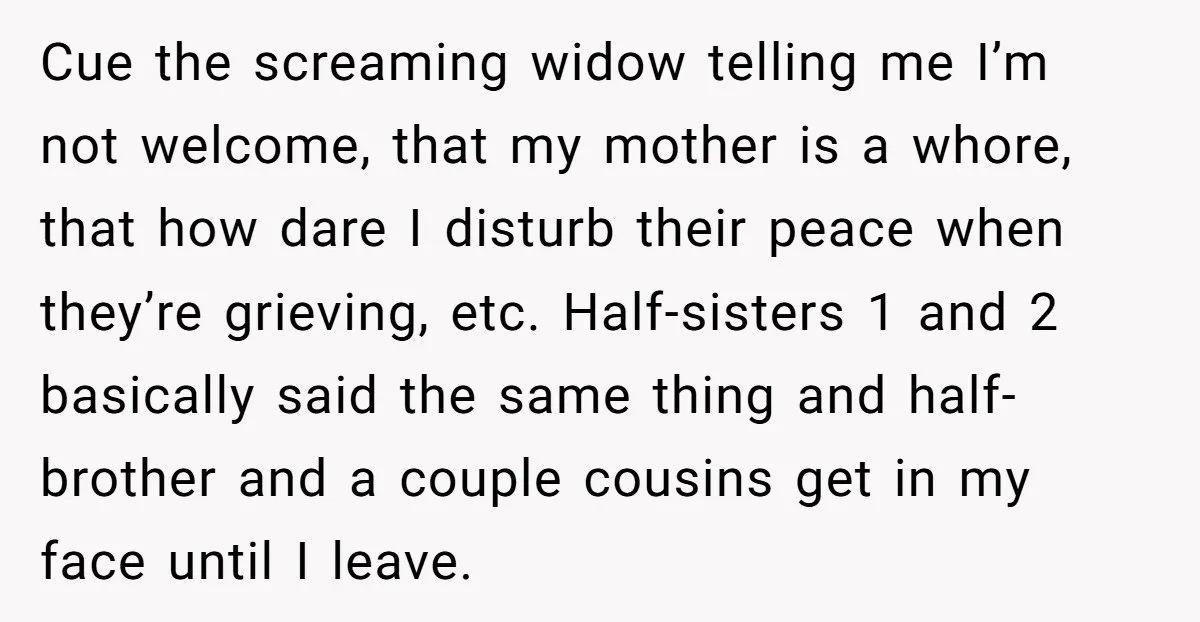
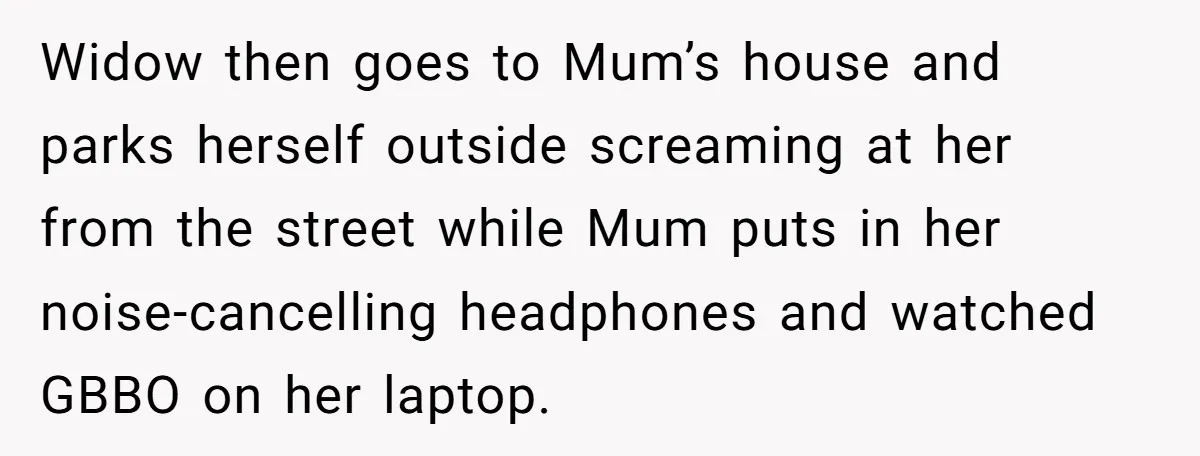

His current stance:

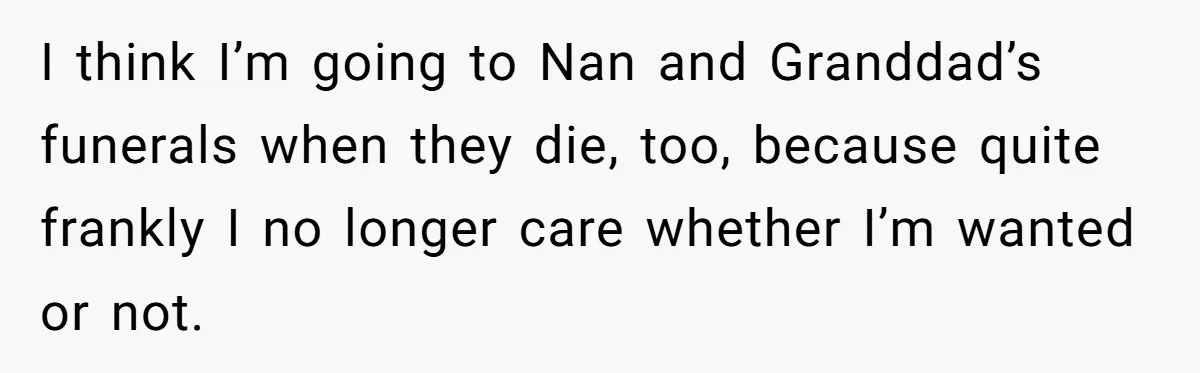
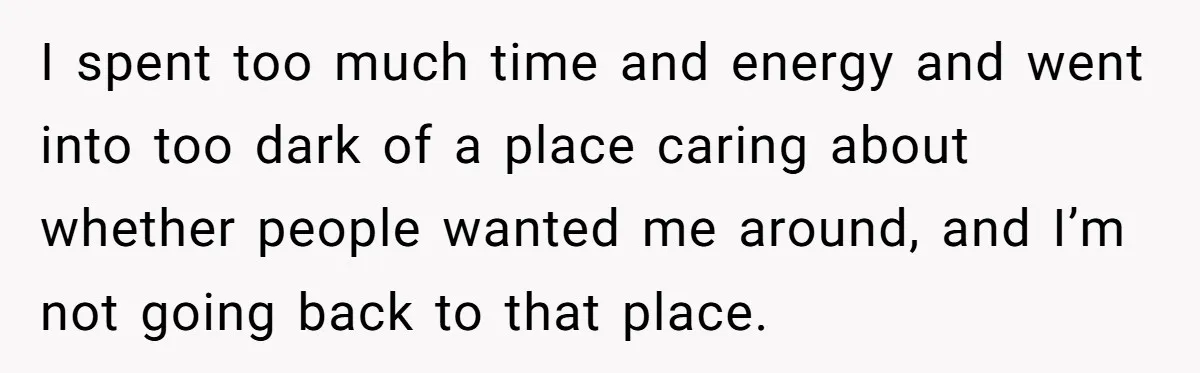
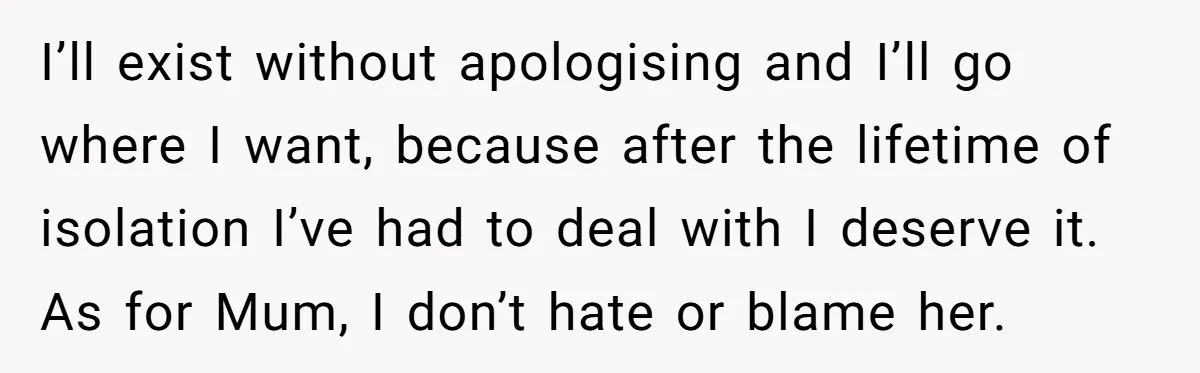

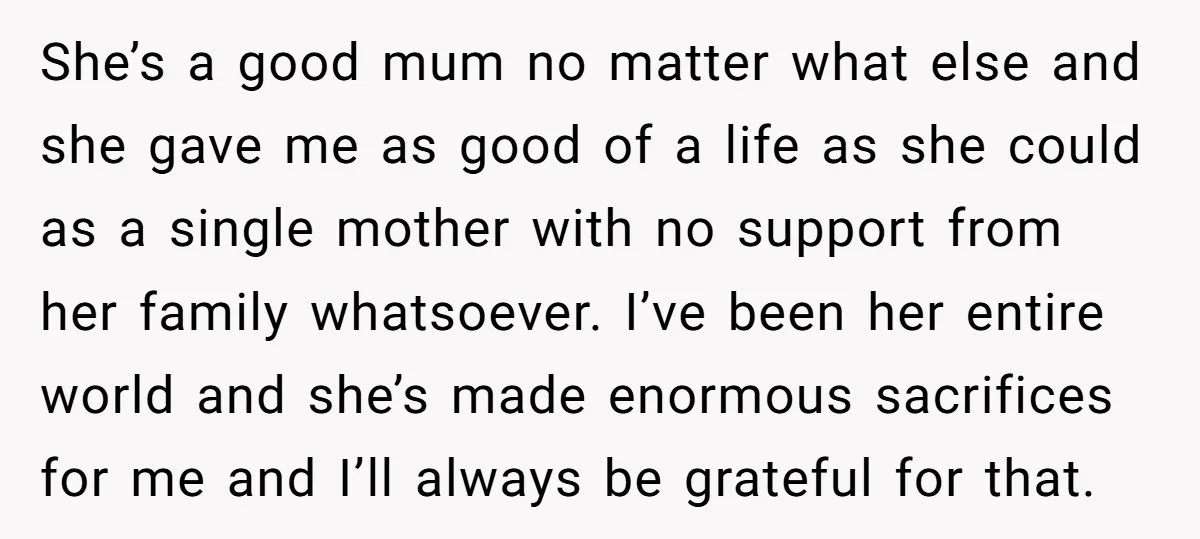
The pain of lifelong rejection by both biological families is profound and valid. Being told you “shouldn’t exist” and that you’re a “reminder of shame” is emotional abuse — especially when delivered by blood relatives. The self-harm history and dark place are serious trauma markers. Wanting to see his biological father one last time is a natural human desire for closure or acknowledgment.
However, attending the funeral unannounced (knowing the family’s stance) was almost guaranteed to cause a scene and reopen wounds for grieving people who never wanted contact. Grief does not erase past choices — the widow and half-siblings were protecting their own emotional space during a vulnerable moment. The OP’s presence was experienced as an intrusion, not a legitimate claim to belonging.
Therapist Dr. Ramani Durvasula notes that children of affairs often carry internalized shame and seek validation from rejecting parents — even when that validation is unlikely. The boyfriend’s encouragement (“live for you”) is empowering in theory but immature in execution here; egging houses and funeral crashing are revenge tactics, not healing. The OP’s plan to attend the maternal grandparents’ funerals is retaliatory, not restorative.
Therapy is essential to separate “I deserve to exist” from “I deserve to force my existence on people who reject me.” He is not wrong for attending — funerals are public — but the intent (making others uncomfortable) and aftermath (continued provocation) lean toward AH territory. Closure can come internally; it does not require their permission or presence.
Here’s the comments of Reddit users:
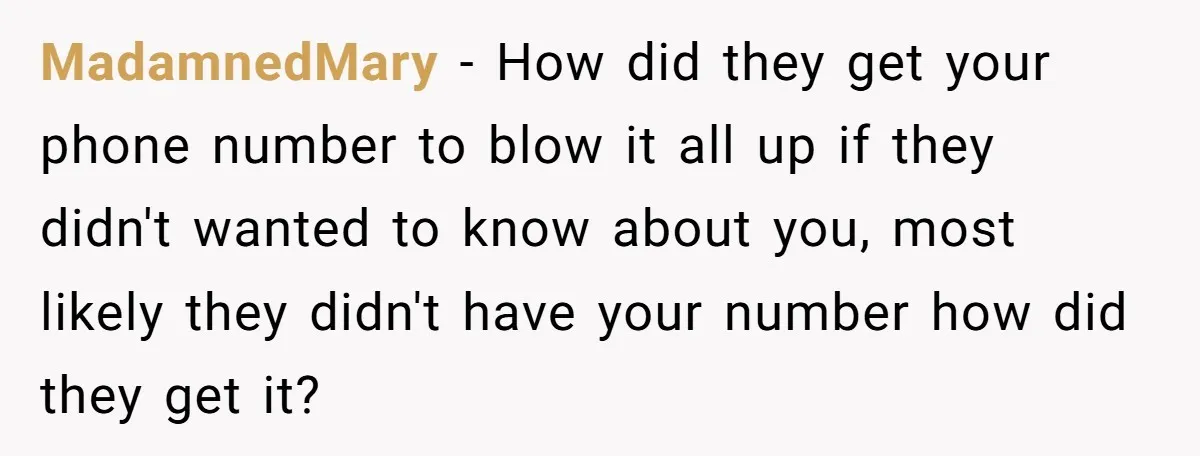
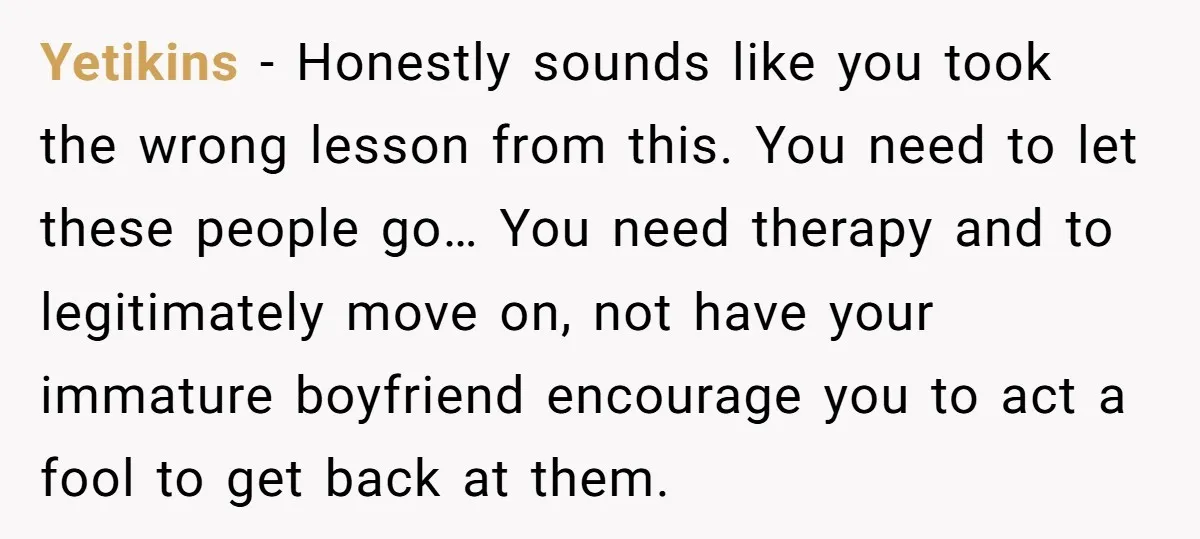
Most commenters called the OP YTA or ESH, criticizing the funeral attendance as provocative and immature, and urging therapy over revenge:

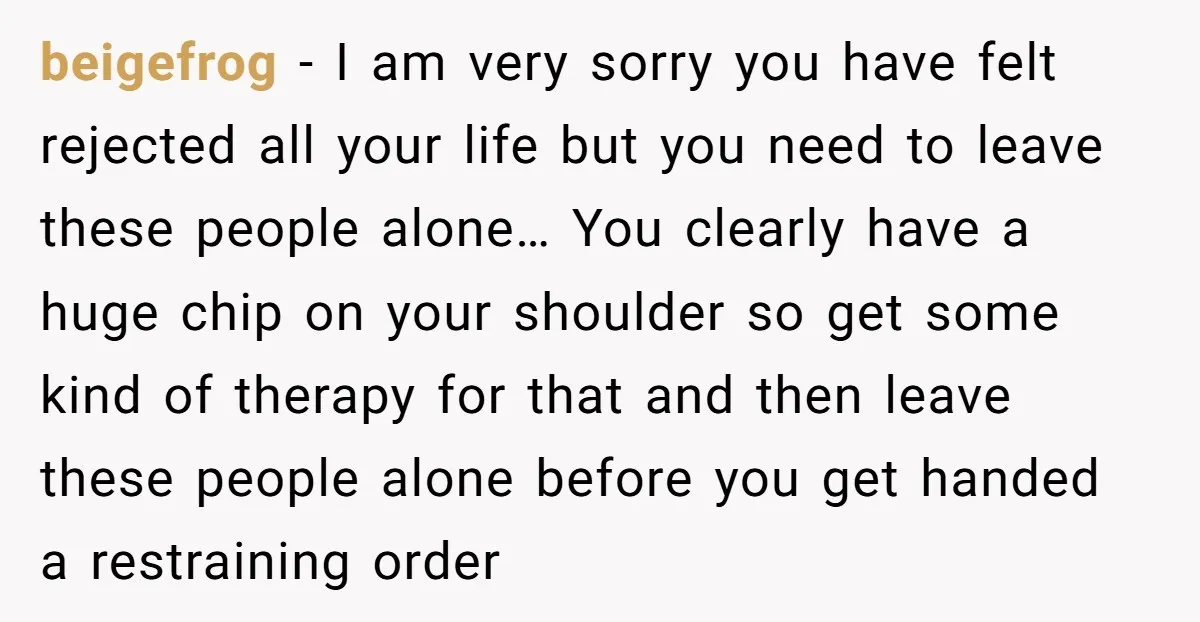


A minority defended the OP’s right to attend and live unapologetically, though most still saw the approach as unhealthy:

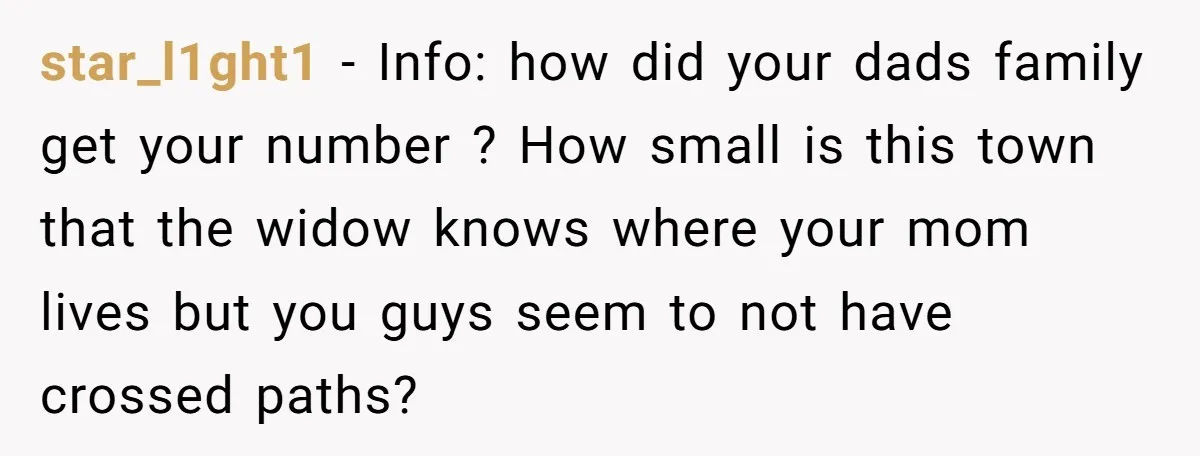
Several pointed out plot holes and questioned the story’s authenticity:


The pain of lifelong rejection by both families is real and devastating — no child should grow up feeling they “shouldn’t exist.” Wanting to see his biological father at the funeral is understandable; funerals are public events, and he had a biological connection.
However, attending unannounced, knowing the family’s stance, was almost certain to cause chaos and pain during a time of grief. Egging houses and planning to attend rejecting grandparents’ funerals are acts of revenge, not healing. Therapy is already in place — the focus should shift from forcing acknowledgment to internal acceptance of his worth. He is not wrong for existing or wanting closure, but deliberately provoking grieving people crosses into AH territory. Living unapologetically does not require making others suffer.