
Family secrets have a way of resurfacing at the worst possible moment, especially when they reshape how someone has understood their place in the world. In this case, a 26-year-old man grew up believing his parents had given up a son for adoption long before he and his siblings were born. At the same time, his youngest sister was praised endlessly as the family’s “only girl,” a role she was encouraged to treasure.
Everything unraveled when the truth came out: the child given up for adoption was actually a daughter, and she wanted to reconnect. While the parents were thrilled, the younger sister felt blindsided and deeply hurt. The situation quickly spiraled into resentment, awkward meetings, and missed family events. Online, readers were left debating a tough question—when adults react badly to a family shock, how much responsibility still falls on the parents who shaped that reality in the first place?
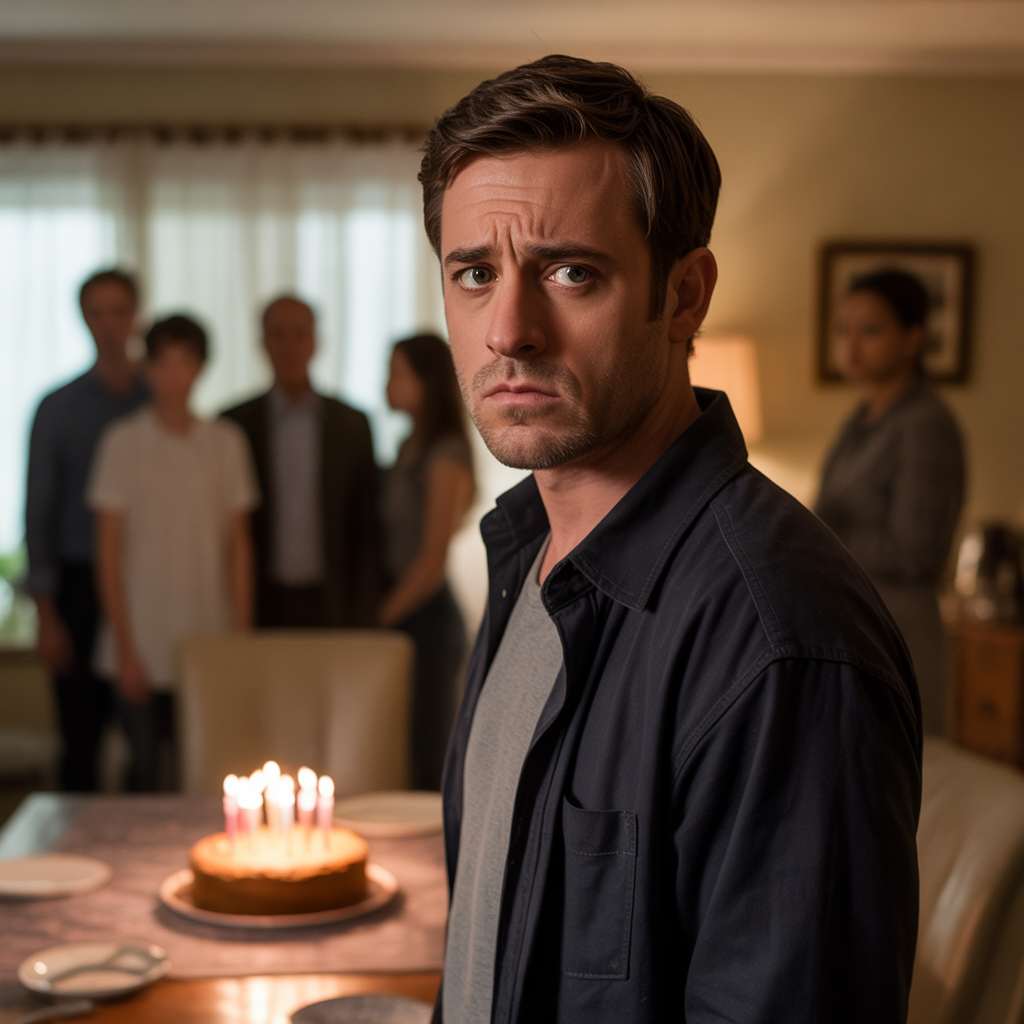

The family’s foundation was built on a story the parents repeated for years
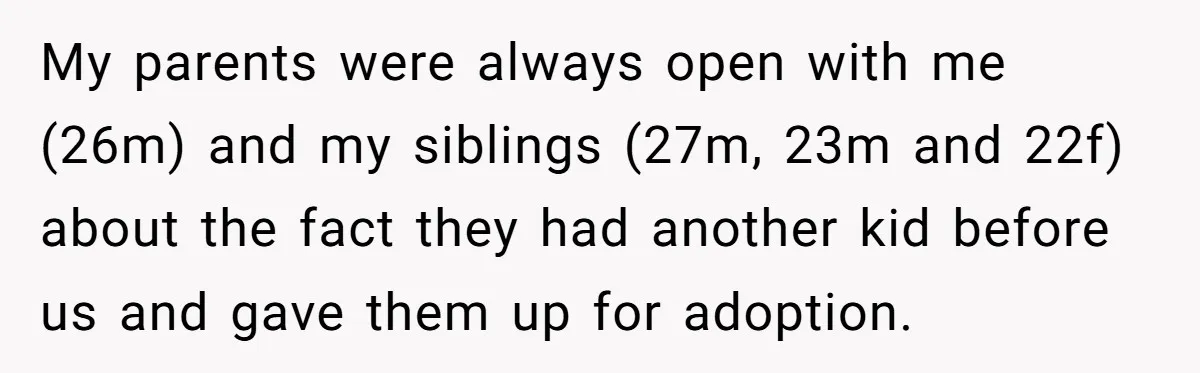
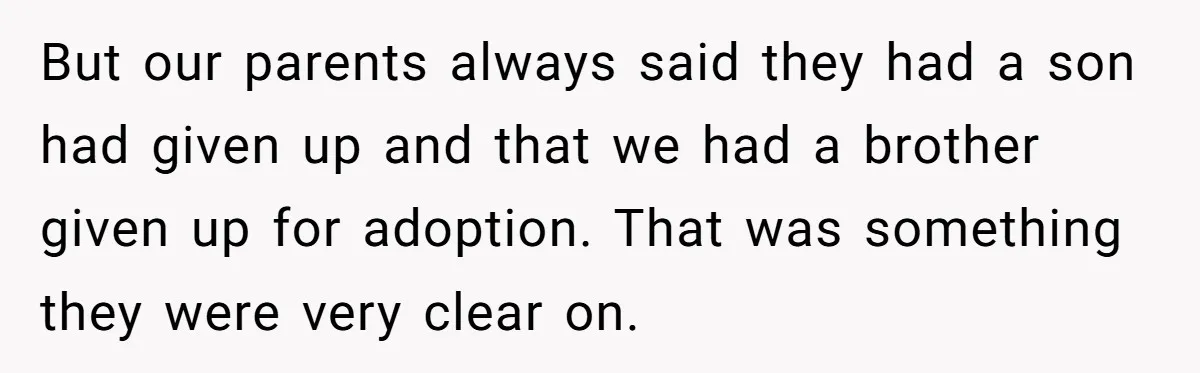
Over time, that narrative became closely tied to one sibling’s identity


Everything shifted when an unexpected message shattered that version of the past

The emotional fallout hit hardest for the sister who felt her role disappear overnight
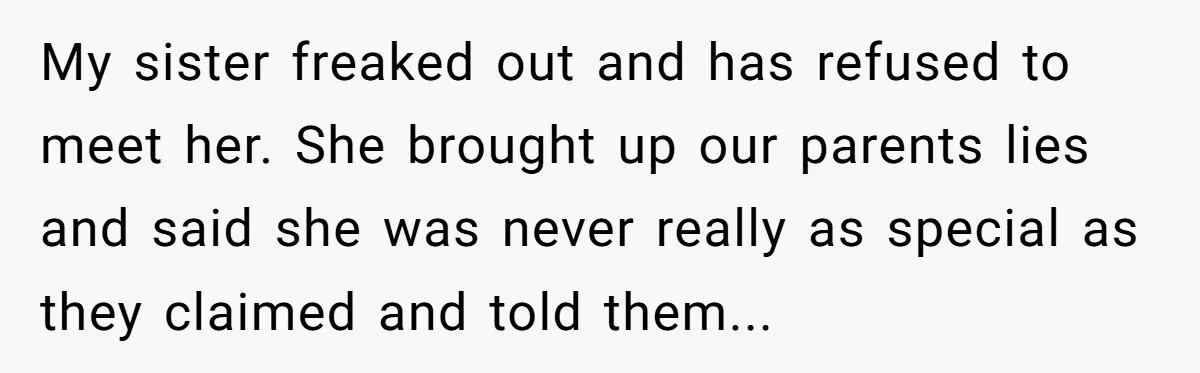
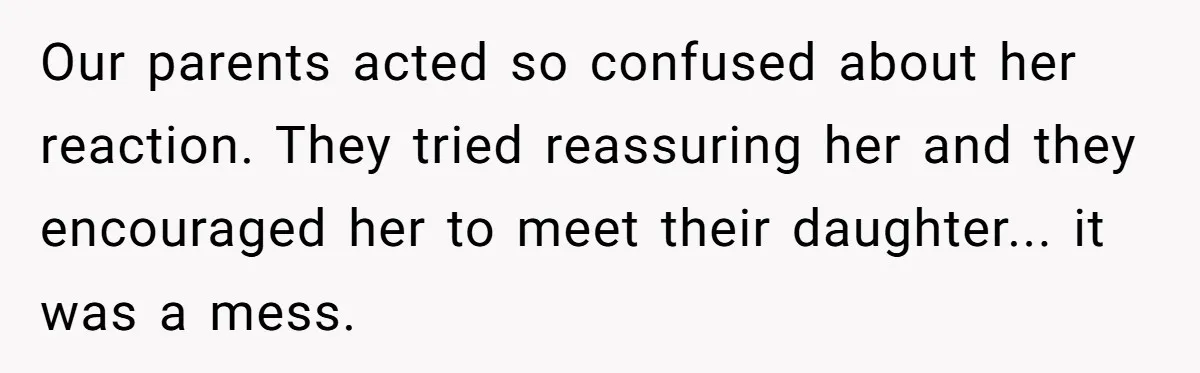
Attempts at reconnecting only added more tension and discomfort
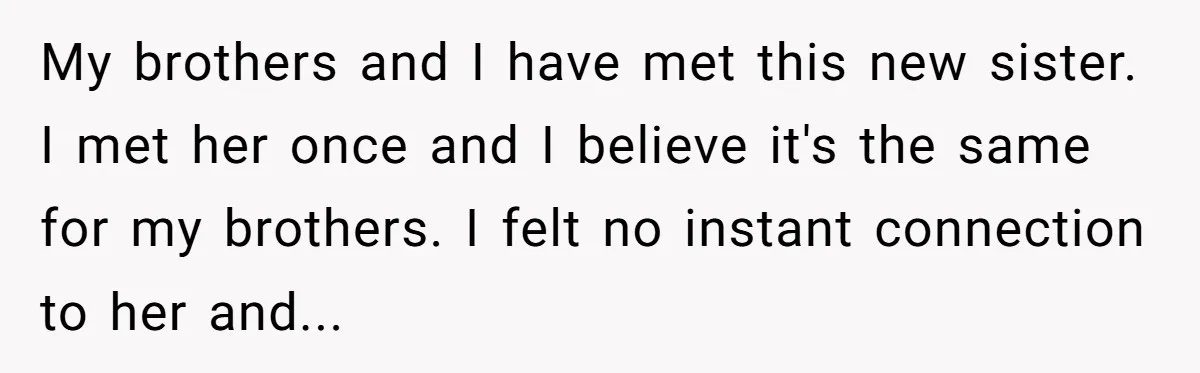
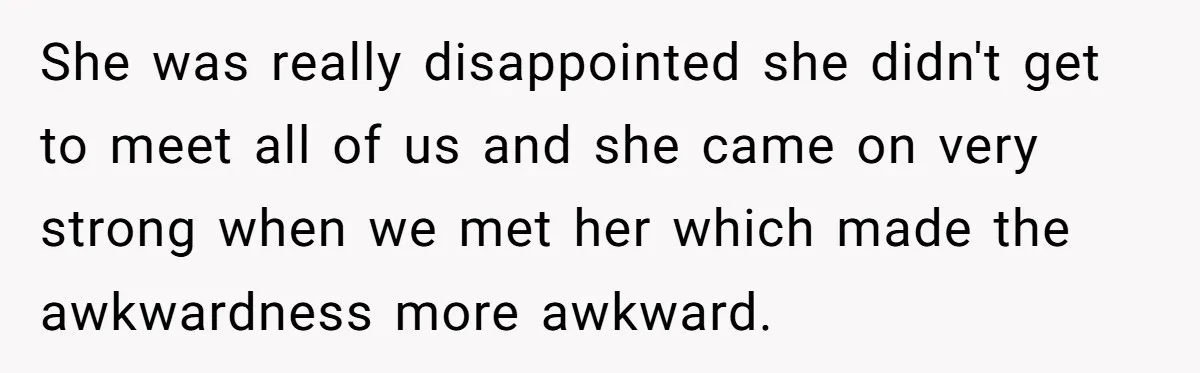

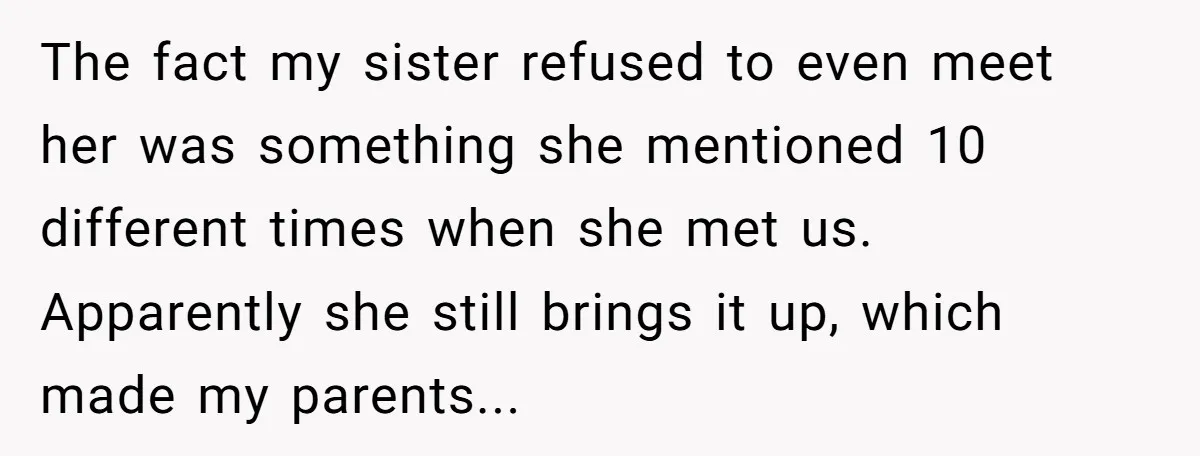
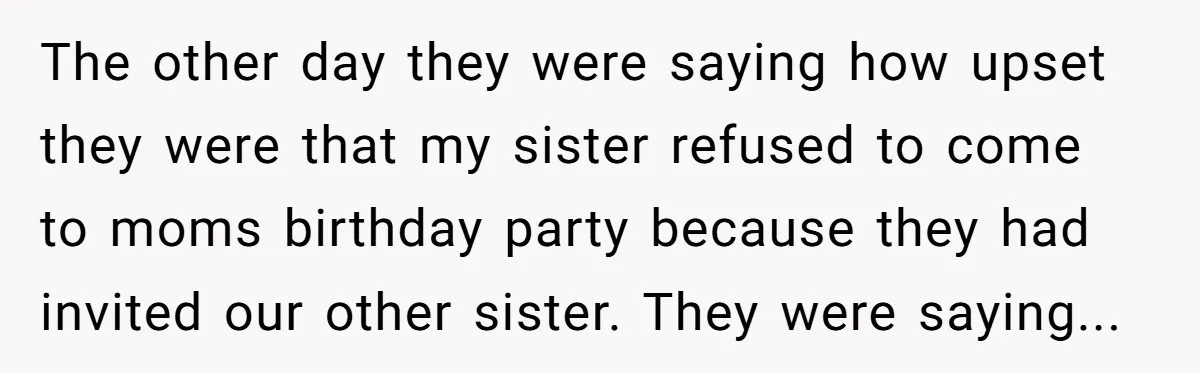
Eventually, the blame landed where the poster felt it belonged
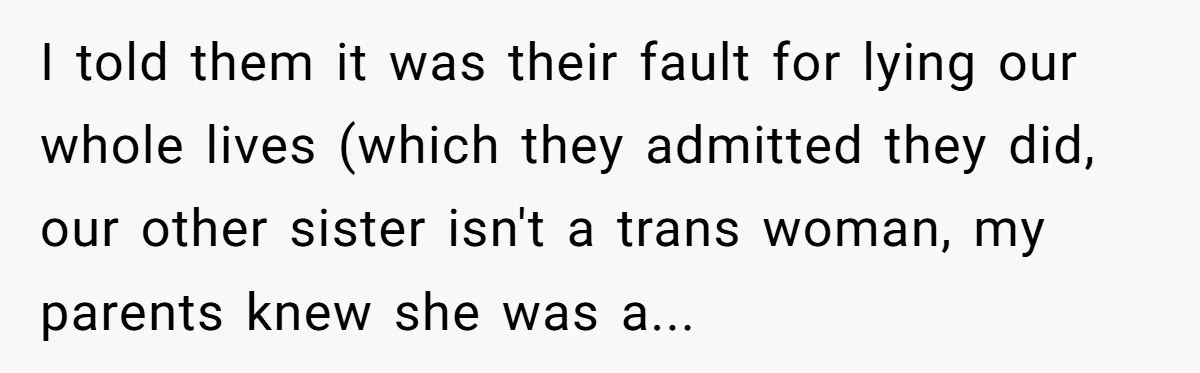


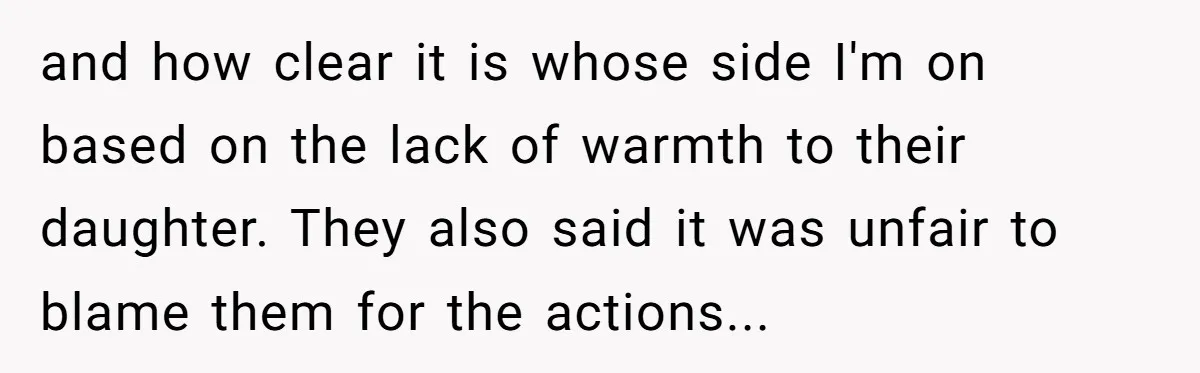
From a psychological standpoint, this situation reflects how powerful early family narratives can be. The parents created a clear storyline: one child existed somewhere else, and one daughter held a unique, cherished role at home. When that story collapsed, the emotional consequences were almost inevitable. The younger sister wasn’t reacting to a new sibling alone; she was reacting to the loss of an identity she had been encouraged to build since childhood.
At the same time, the older daughter’s disappointment makes sense. Reaching out after adoption often comes with high hopes and deep vulnerability. Meeting biological family members who seem distant or conflicted can feel like rejection all over again, even if that isn’t their intention. Both reactions can coexist without canceling each other out.
Dr. John Gottman of The Gottman Institute has noted that trust within families is shaped by “small moments of honesty and reliability over time.” When foundational truths are withheld, even with good intentions, it can destabilize relationships years later. In this case, the lie about gender and the excessive emphasis on one child’s “special” status created a fragile emotional structure.
A healthier path forward would focus on accountability and clear communication. The parents acknowledging their choices without defensiveness is key. Family counseling could help each sibling voice their feelings without turning the situation into a competition for sympathy. Practical steps include setting boundaries around gatherings, avoiding pressure to bond instantly, and allowing relationships to develop—or not—at a natural pace. Healing here depends less on forcing closeness and more on repairing trust.
Here’s the feedback from the Reddit community:
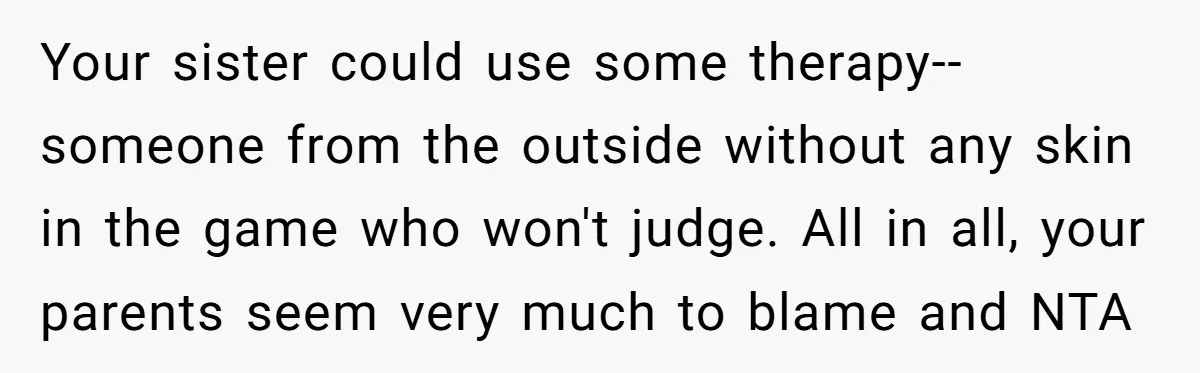
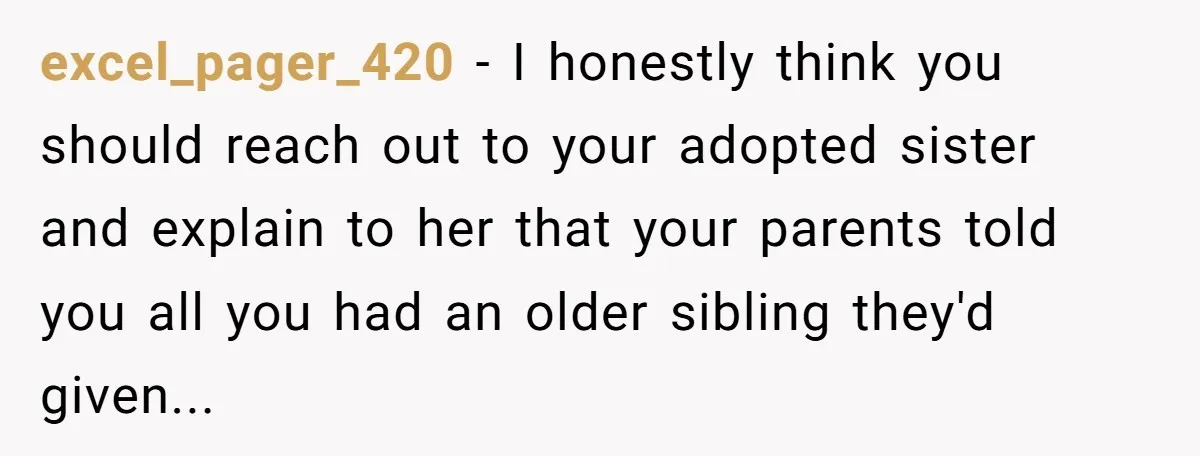
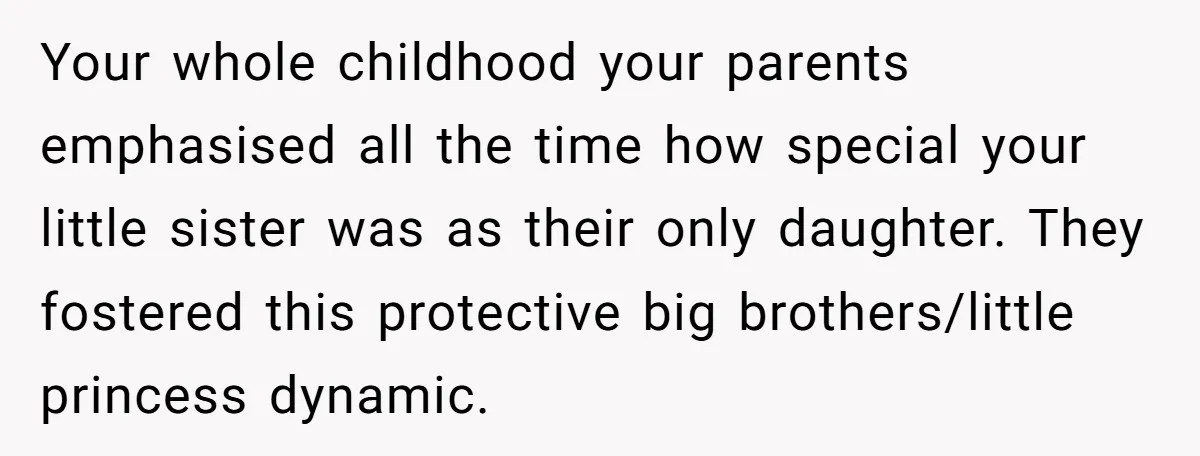
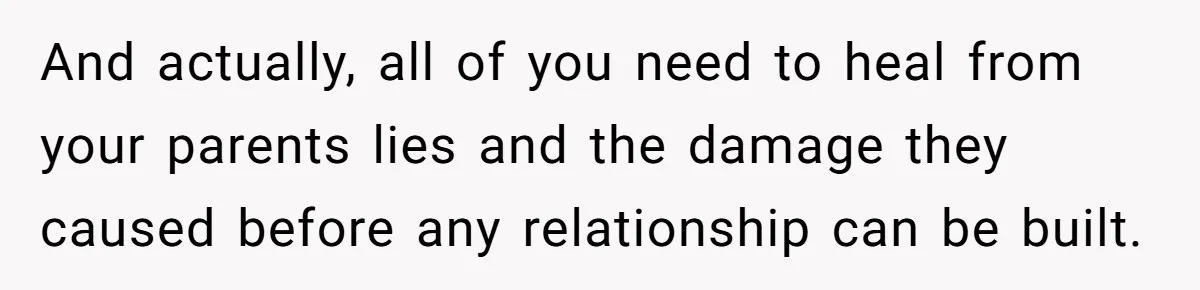
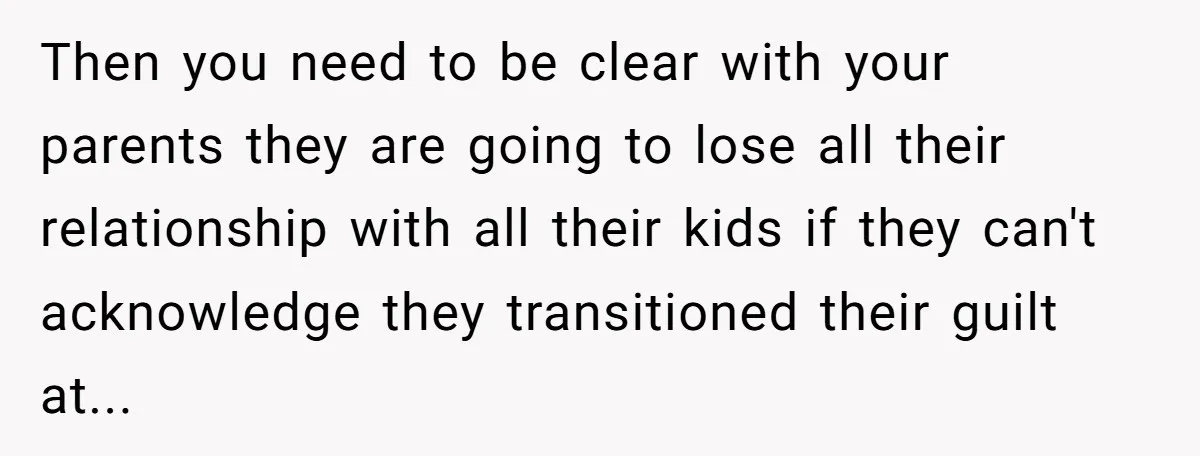
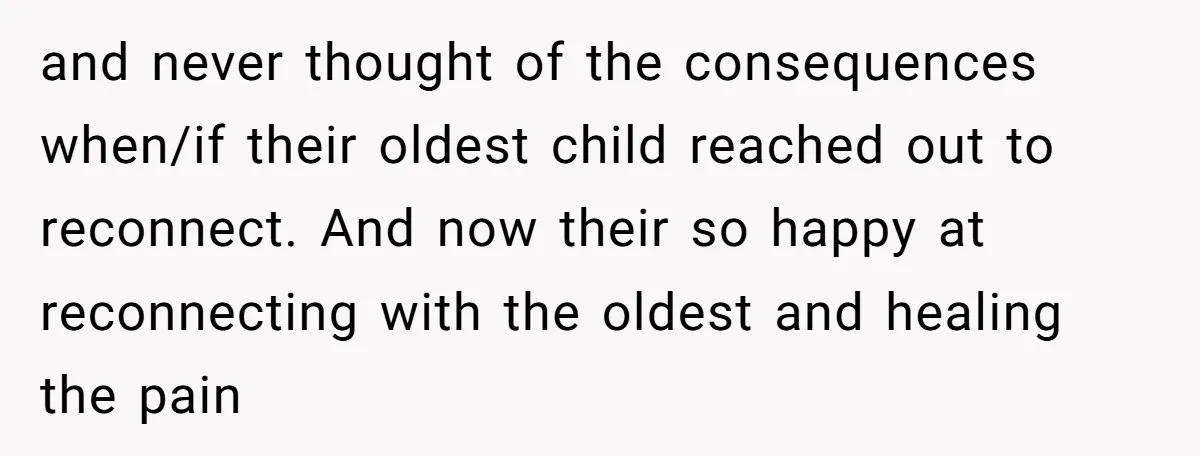
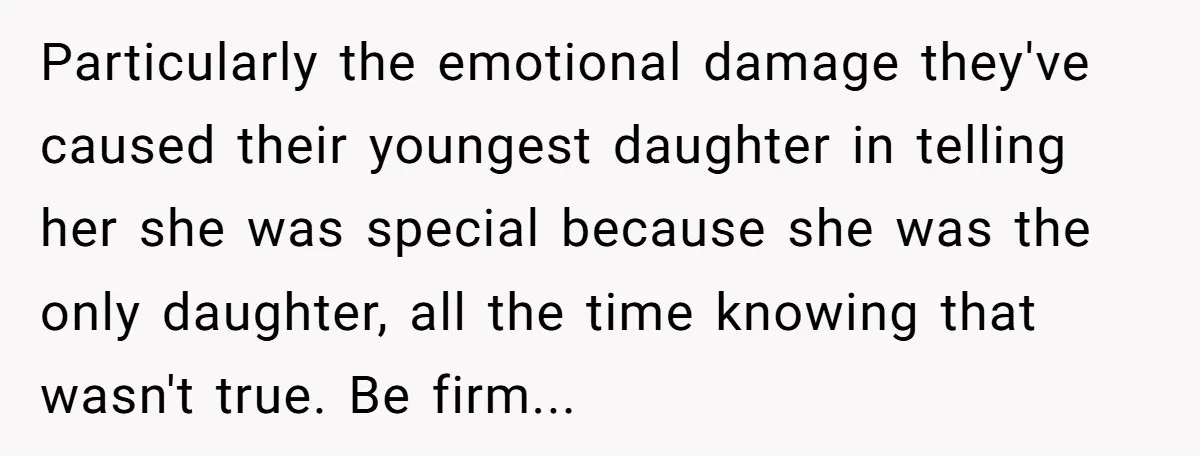
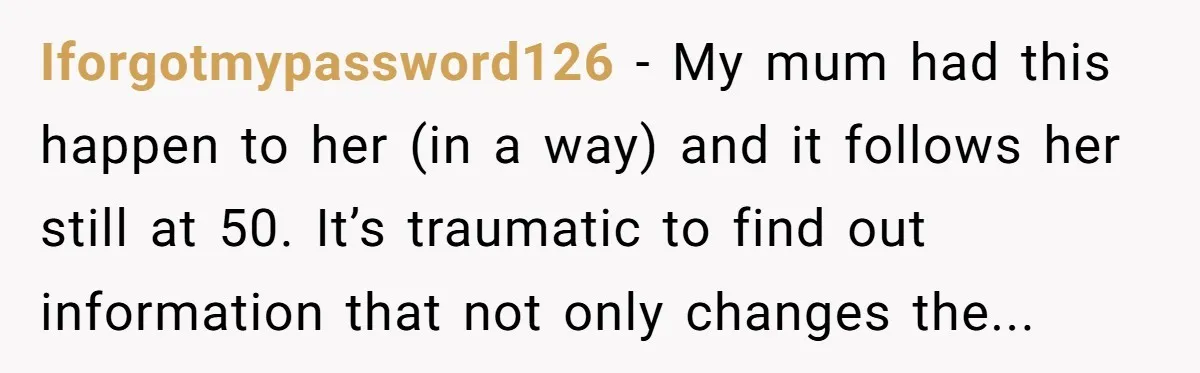
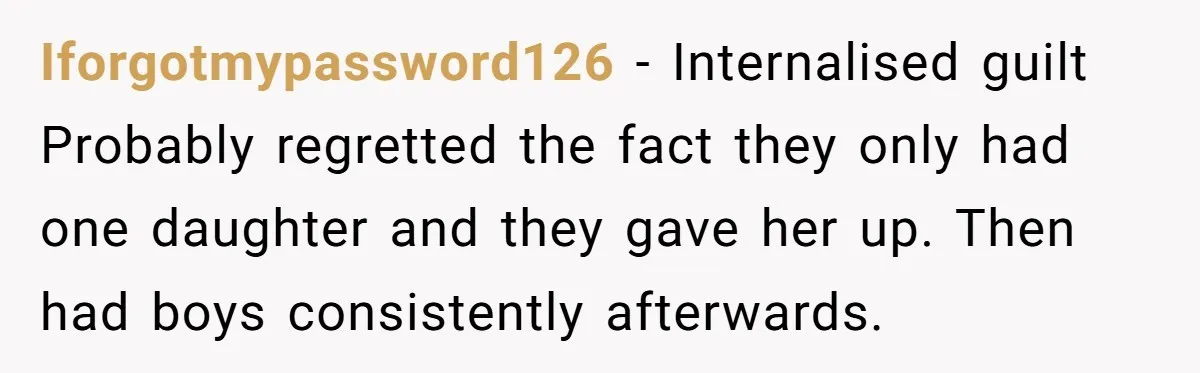
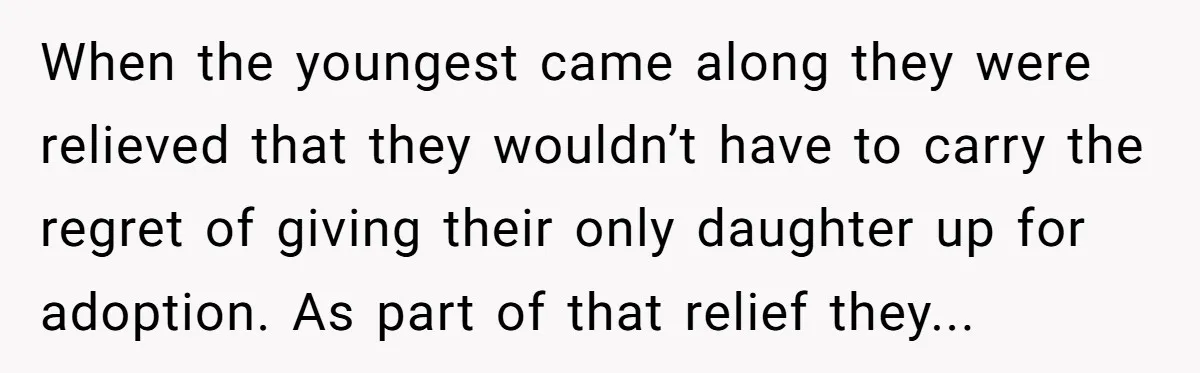
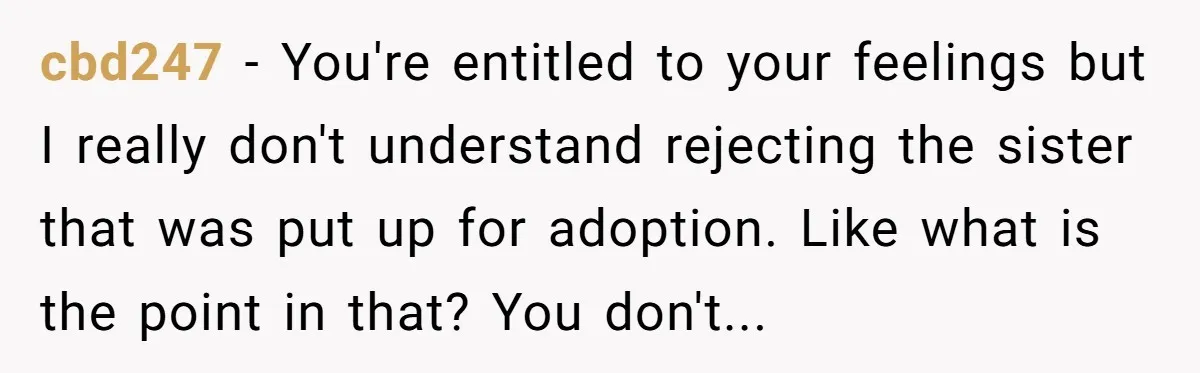
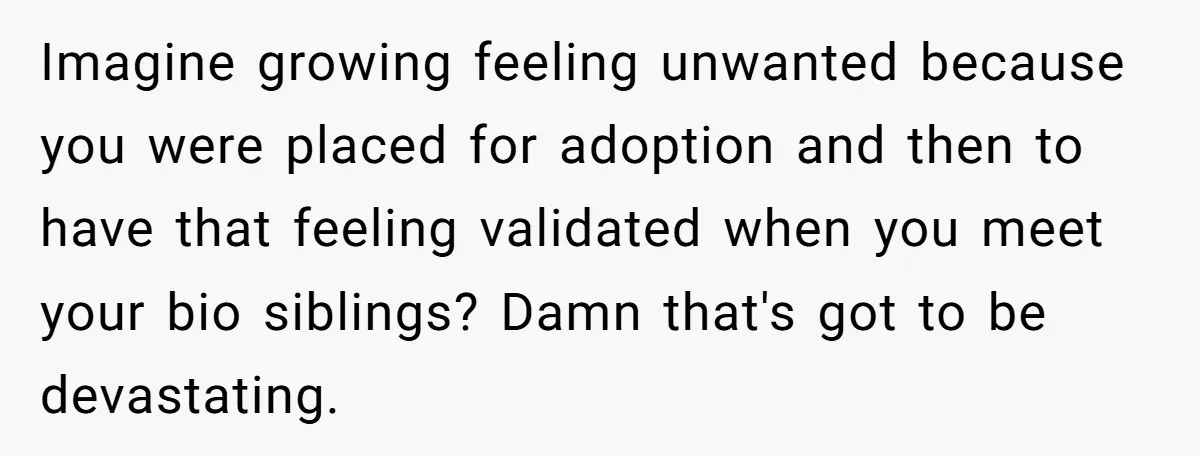
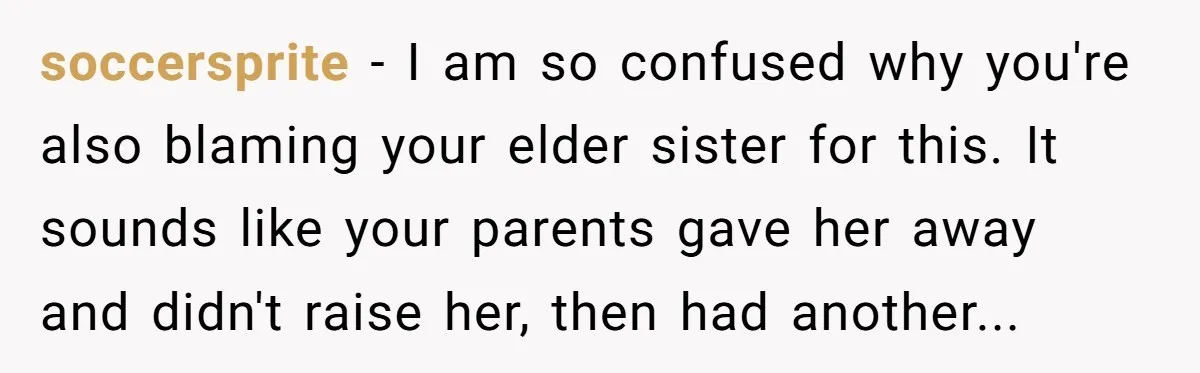
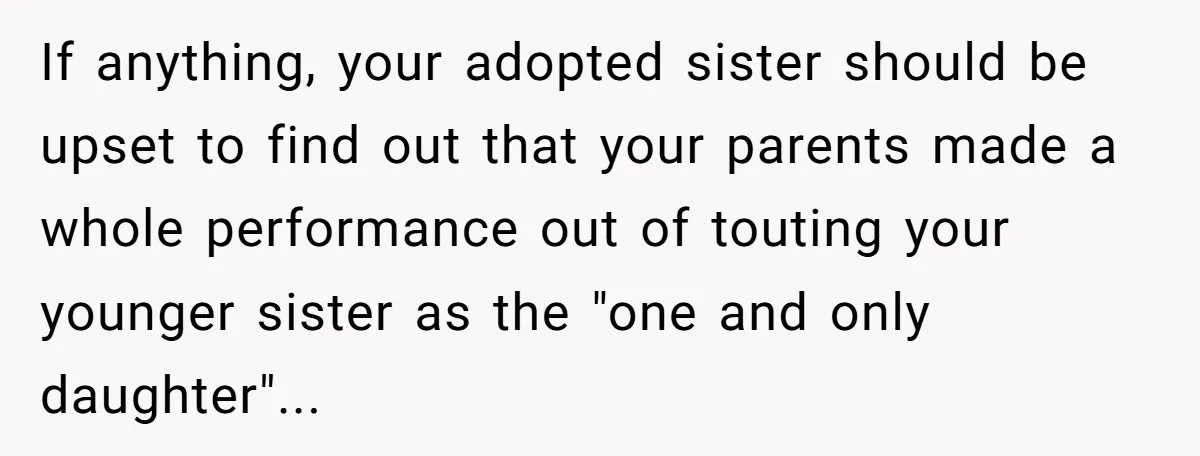
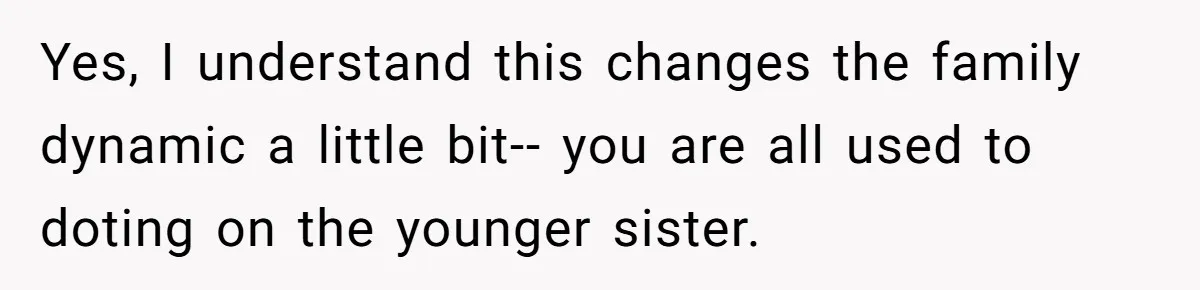
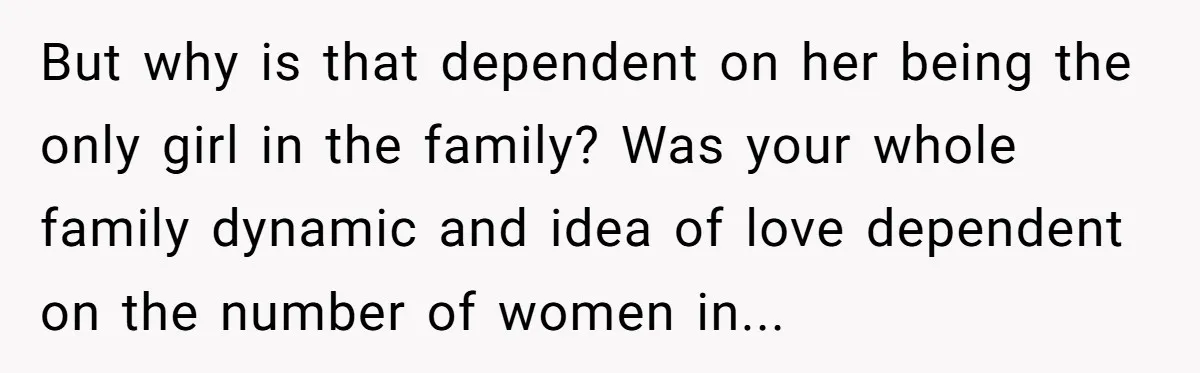
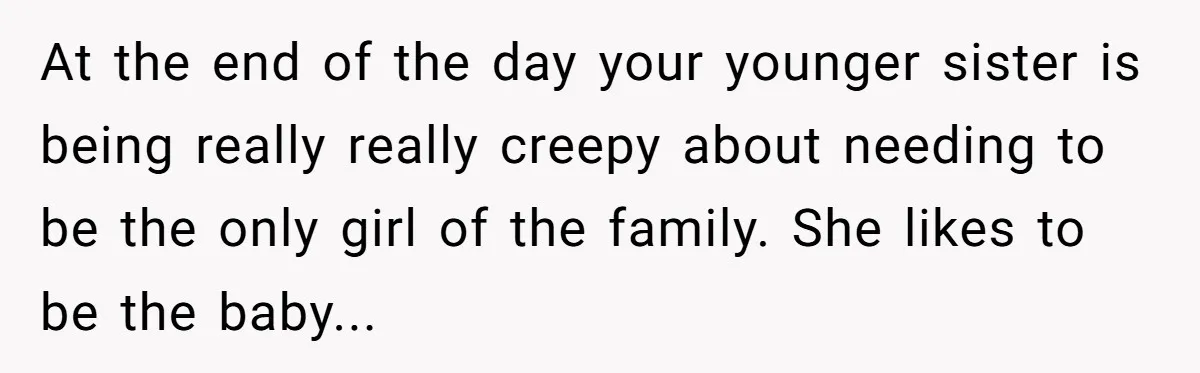
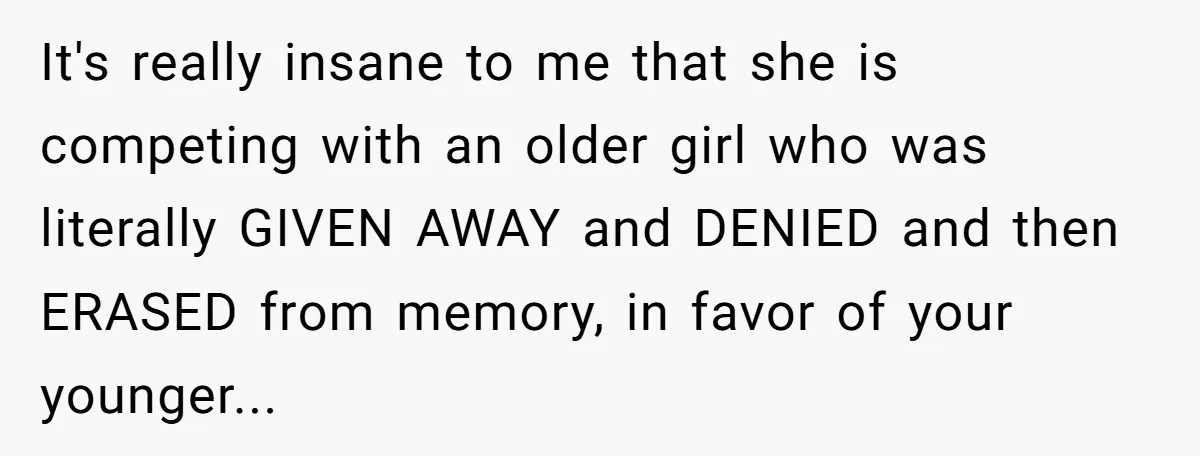
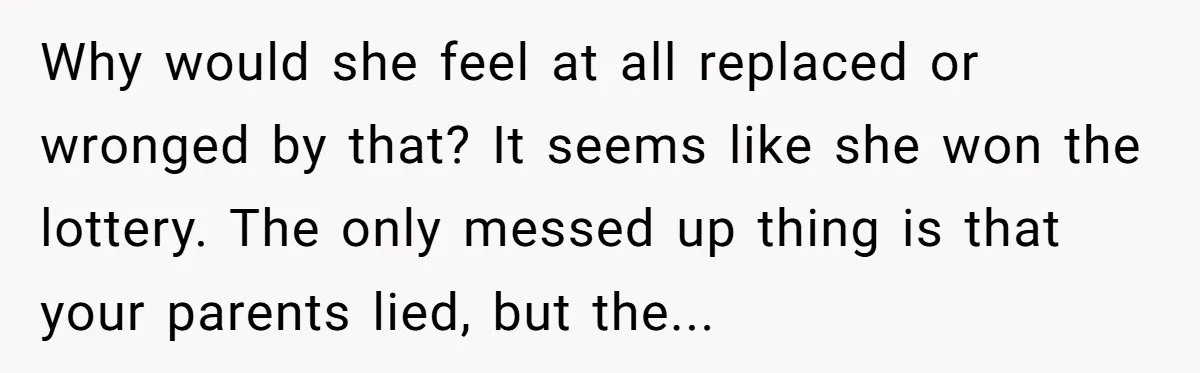
Many users backed the poster, arguing the parents created this emotional mess themselves
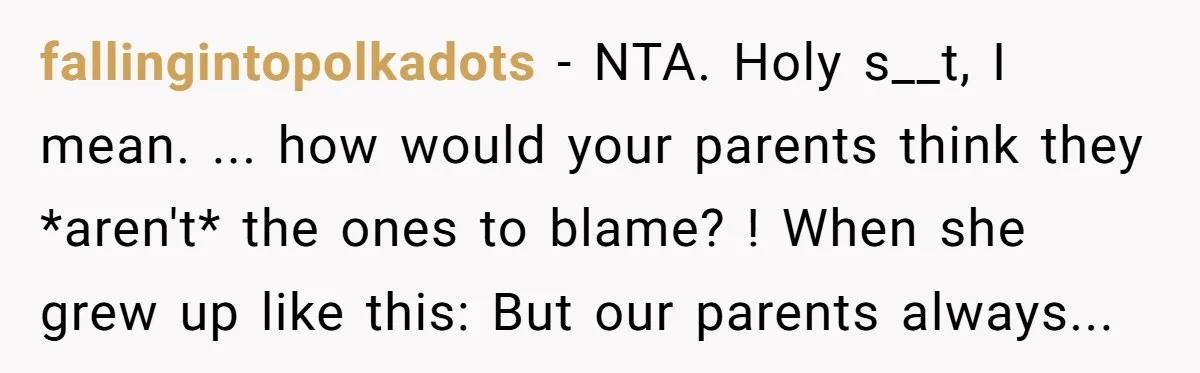



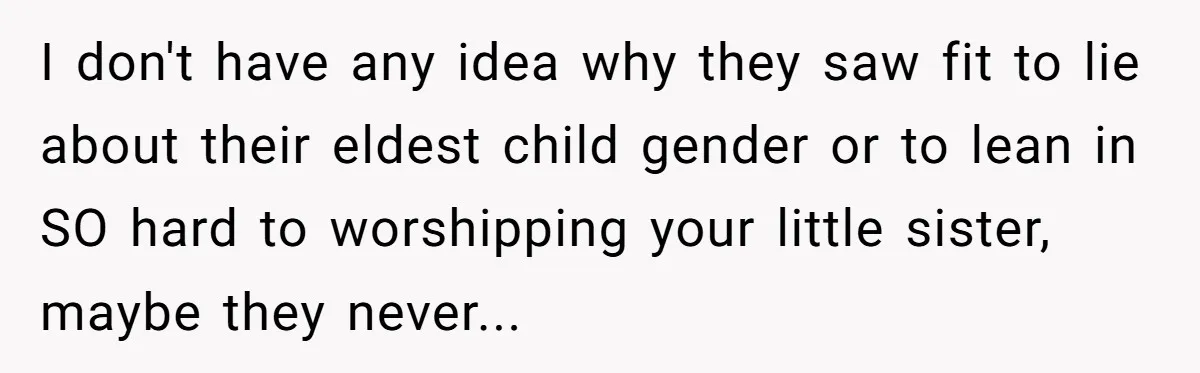


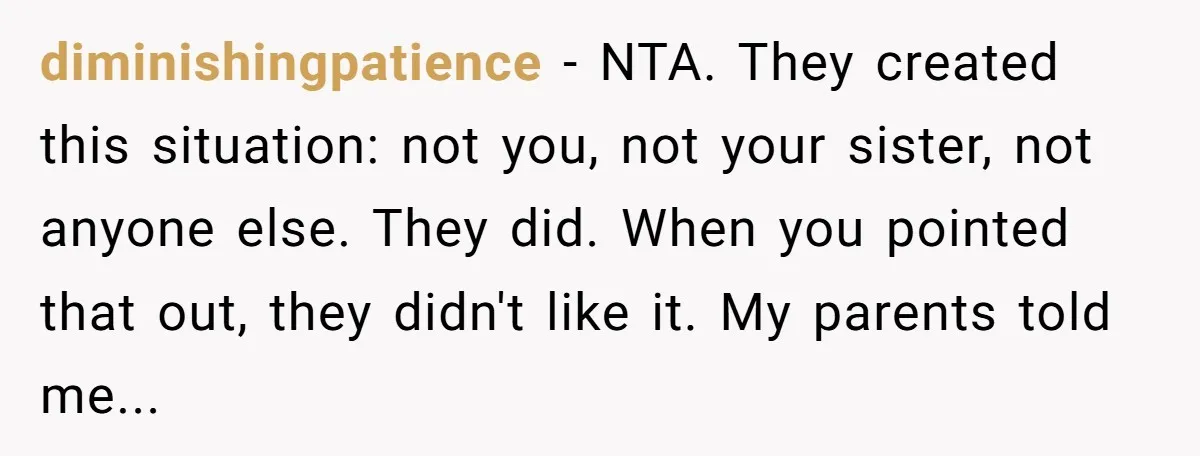
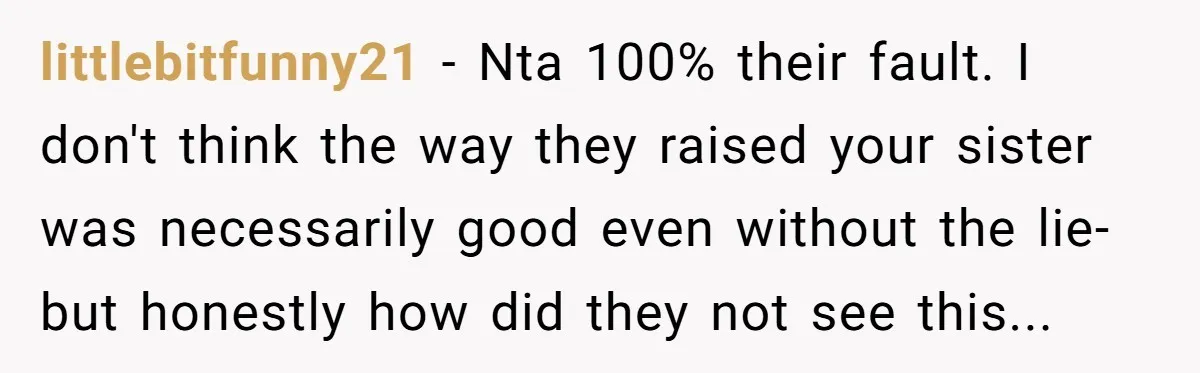

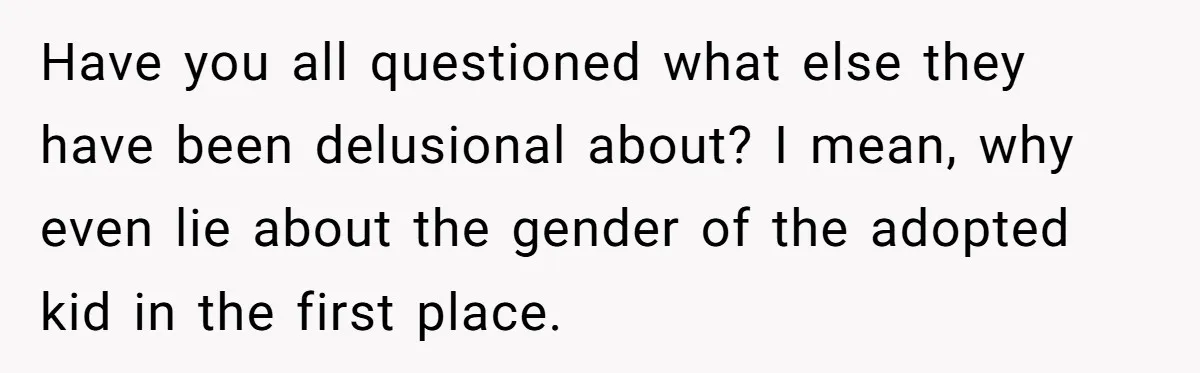
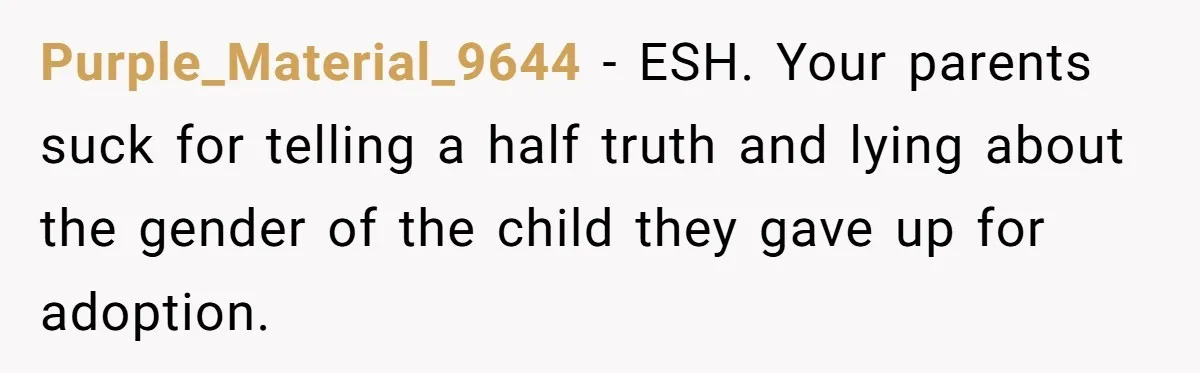
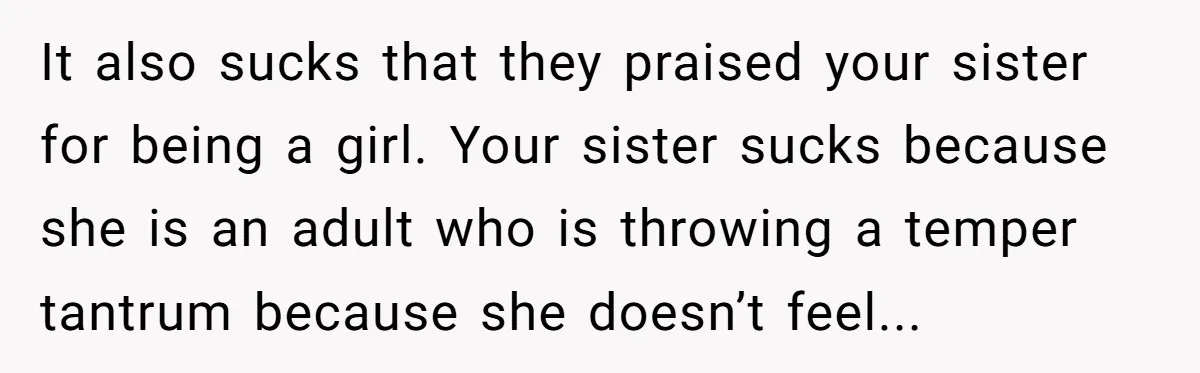
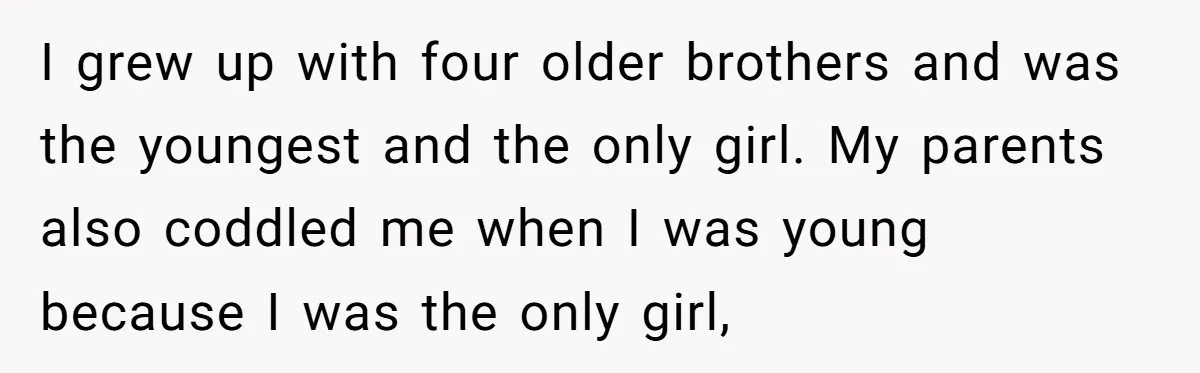
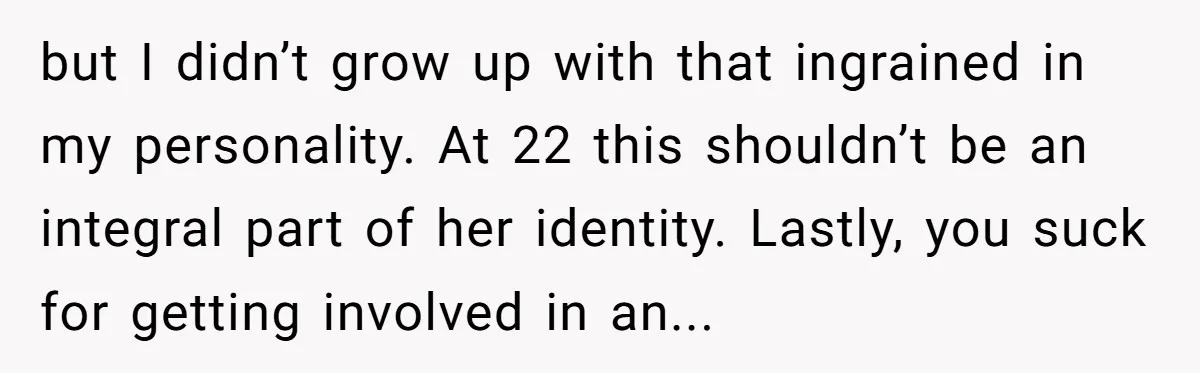
Others offered more mixed takes, questioning everyone’s reactions



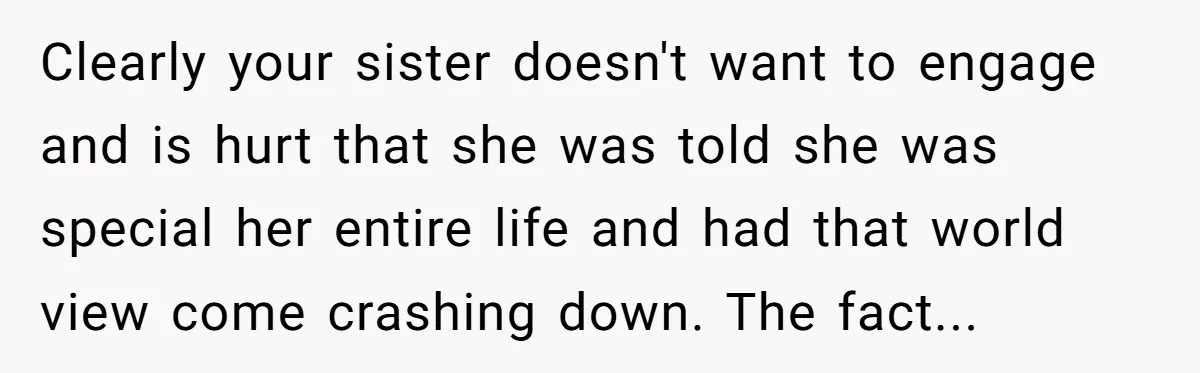
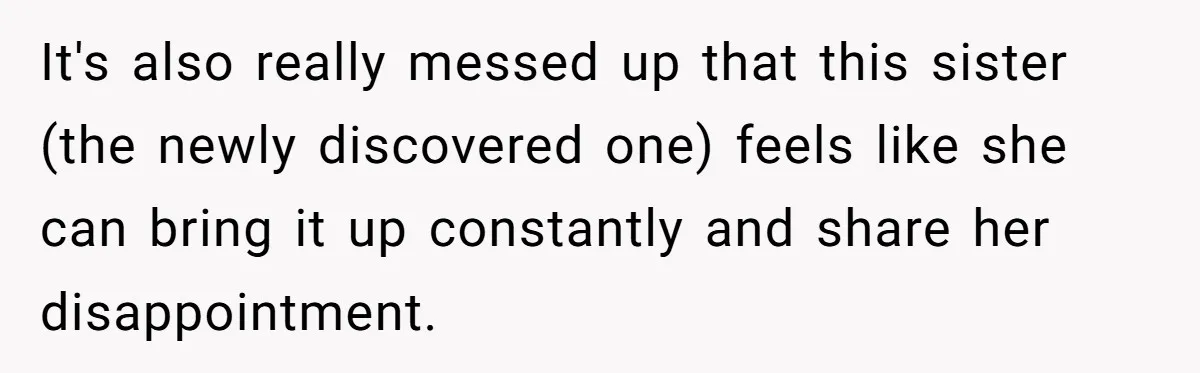
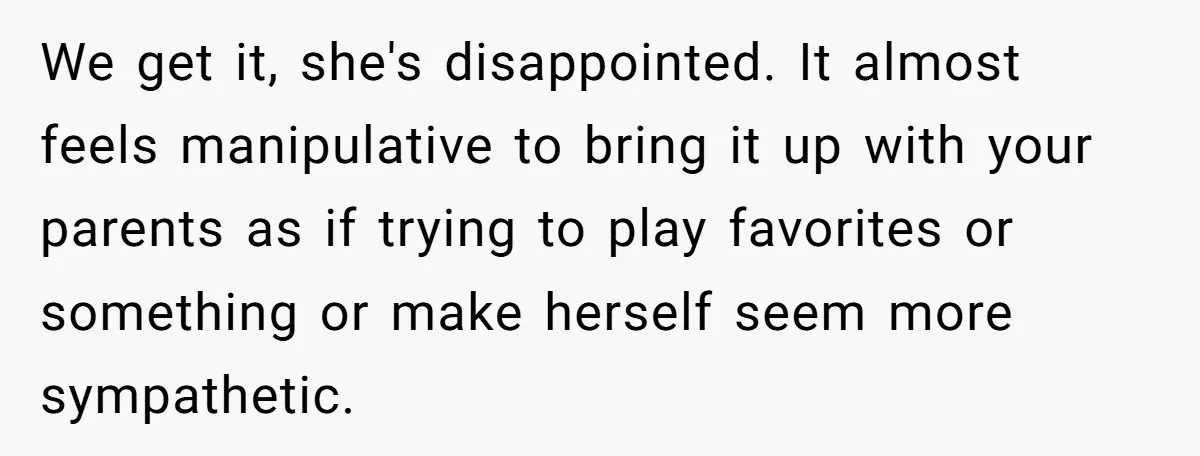

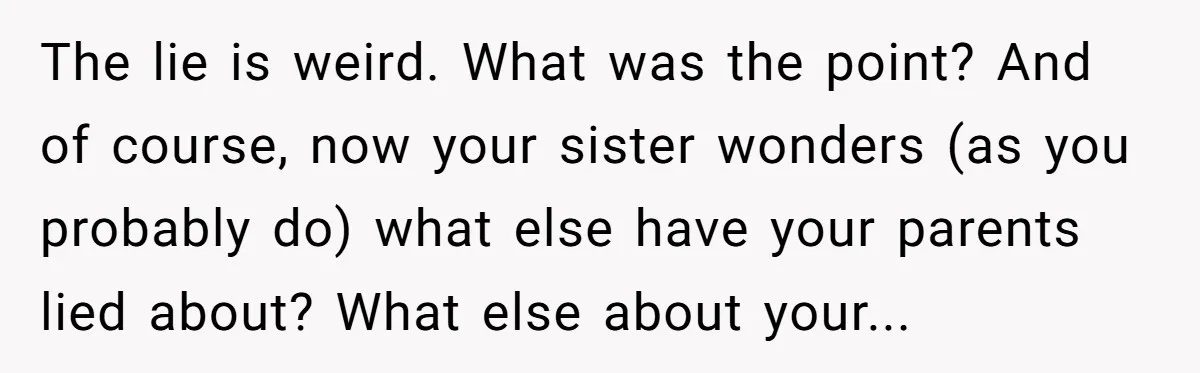


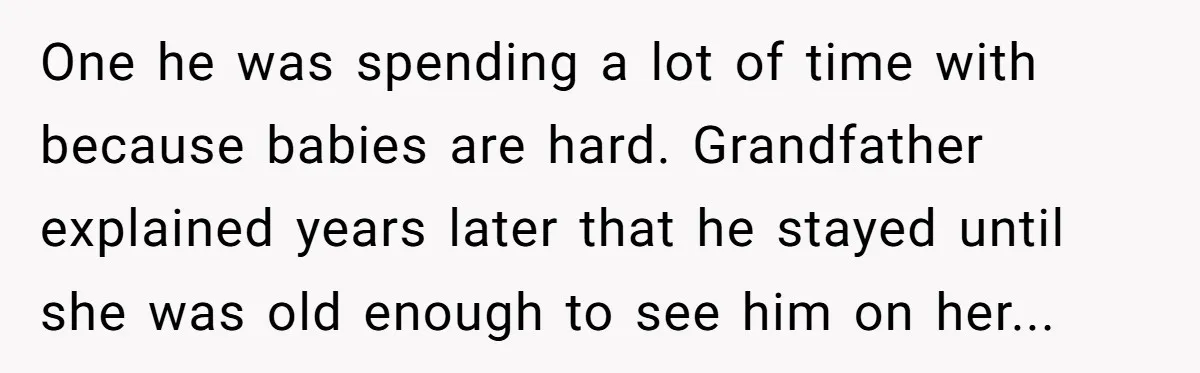

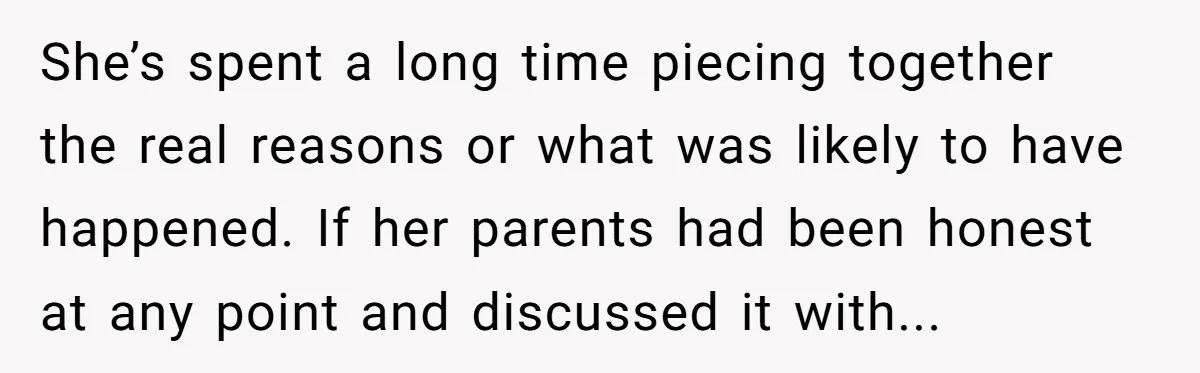

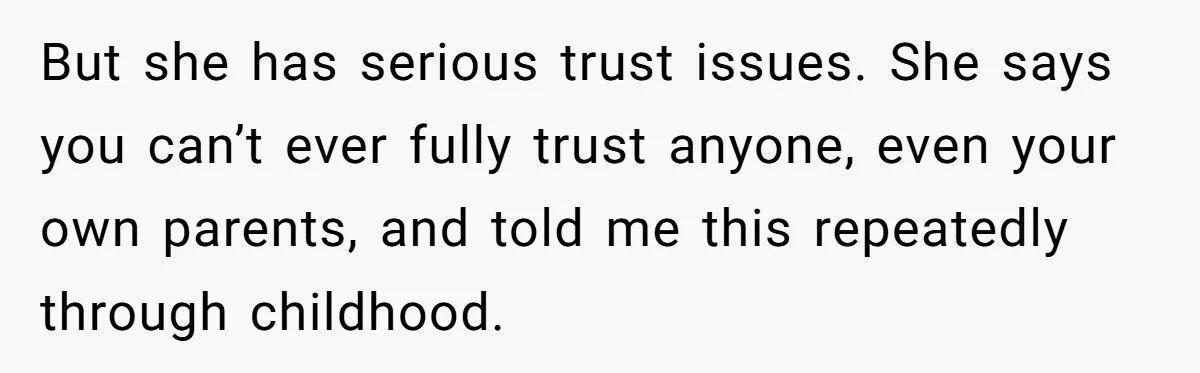
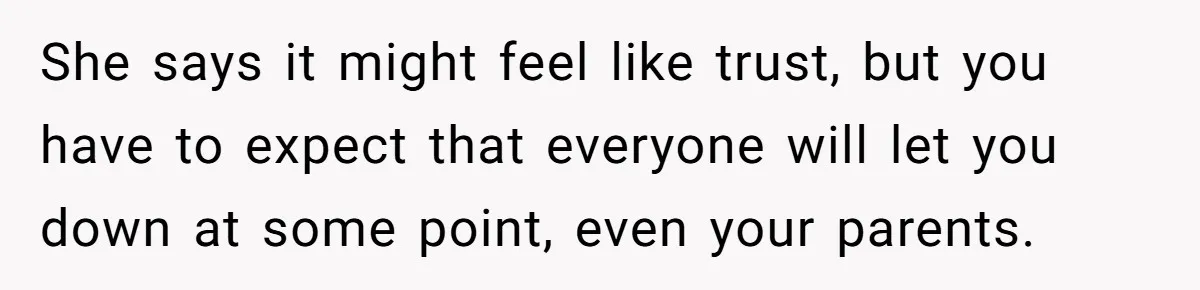
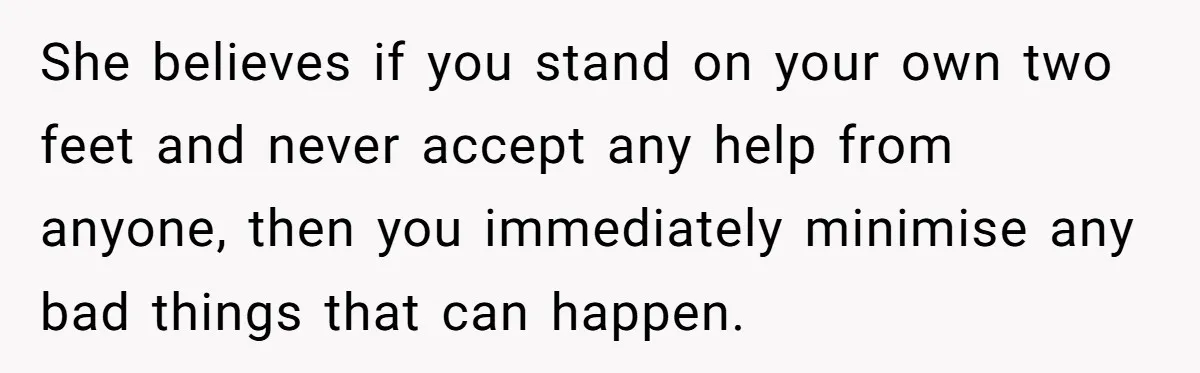

A few comments tried to lighten the mood or point out the absurdity
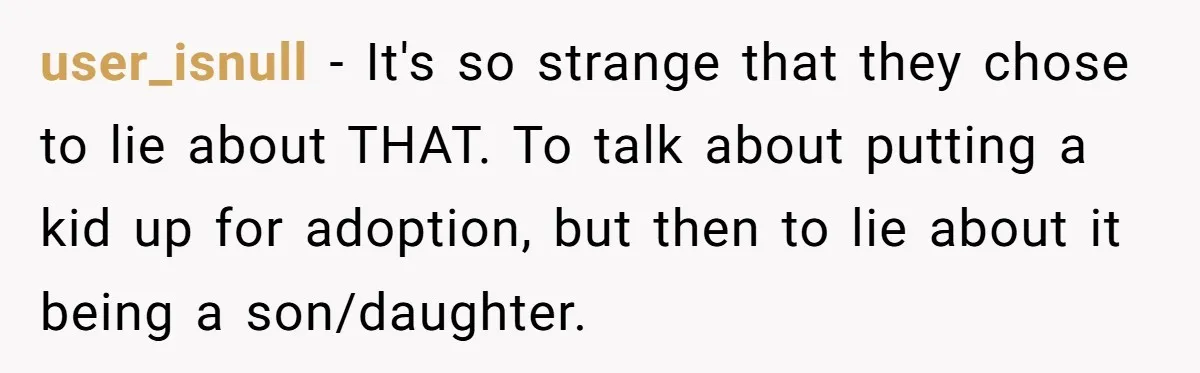
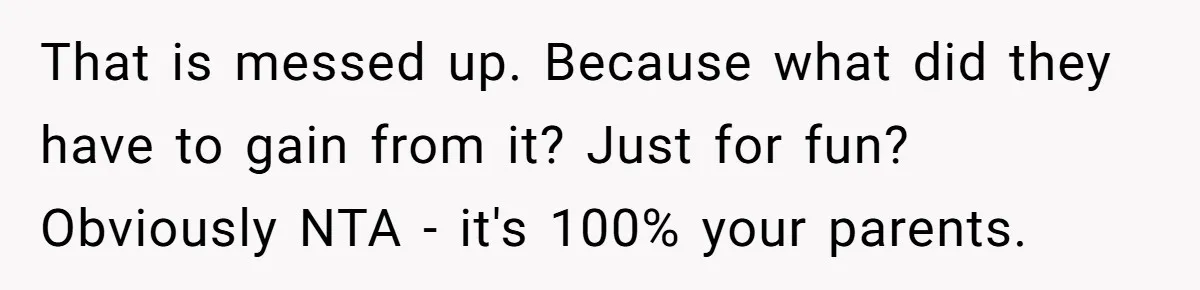
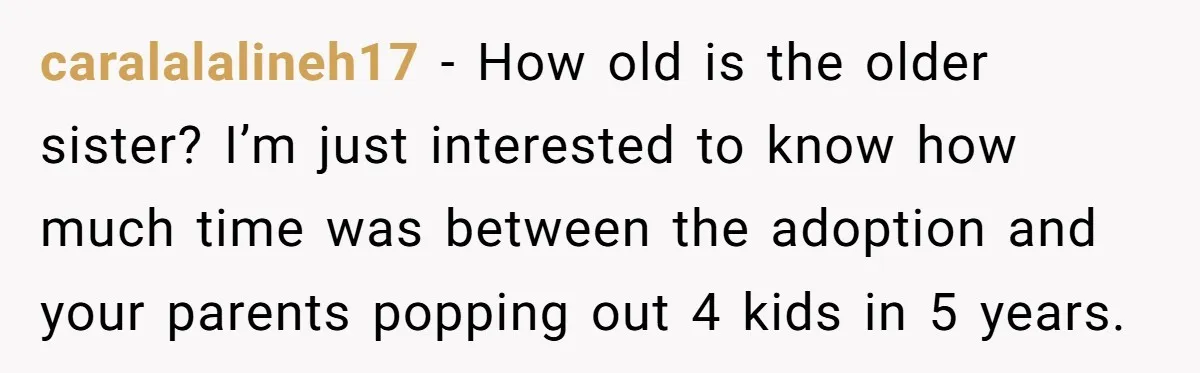





![[Reddit User] − I mean, did your parents f__k up? Yes but your sister is way too old to be throwing this type of tantrum because she’s not the only...](https://loknam.com/aita/images/9f30fa3c5e/wp-editor-1768202353217-24.webp)
At the heart of this conflict is a long-running lie that shaped how each sibling understood love, identity, and belonging. While the parents hoped to move forward happily, the emotional cost of their choices surfaced in ways they didn’t expect. Each sibling is now left to untangle feelings that were planted years ago. Whether blame should rest squarely on the parents or be shared remains up for debate. If you were in this family, how would you handle a truth that changed everything overnight?