A 48-year-old mother devoted nearly her entire adult life to caring for her severely autistic daughter, and when she finally chose a different future for herself, she was met with backlash instead of relief. After almost 20 years centered around her daughter’s complex needs, she made the difficult decision to place her in a group home and accept a long-term work assignment overseas—an opportunity she had postponed for years.
Instead of support, she found herself criticized in her own support circles. Some insisted she needed to remain in the U.S. to stay “accessible,” arguing that her physical absence could invite neglect. After sacrificing career advancement, relationships, and much of her personal life, she’s now asking a painful question: is she selfish for finally wanting something for herself?

‘AITA for putting my autistic daughter in a group home and leaving the country?’
It all began with a reality that never really changed for two decades:
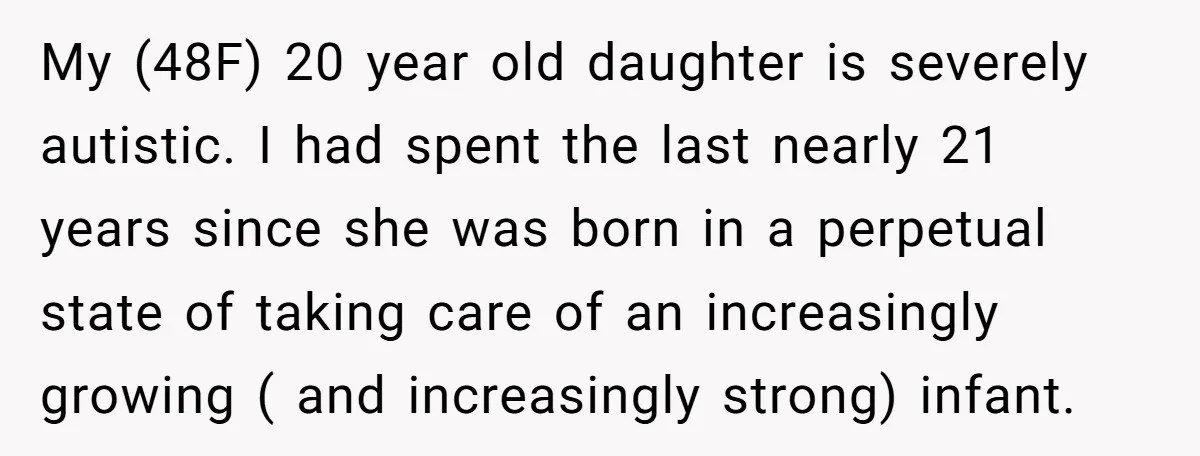


She had no choice but to push forward alone:



What outsiders didn’t see was the reality behind those “resources”:
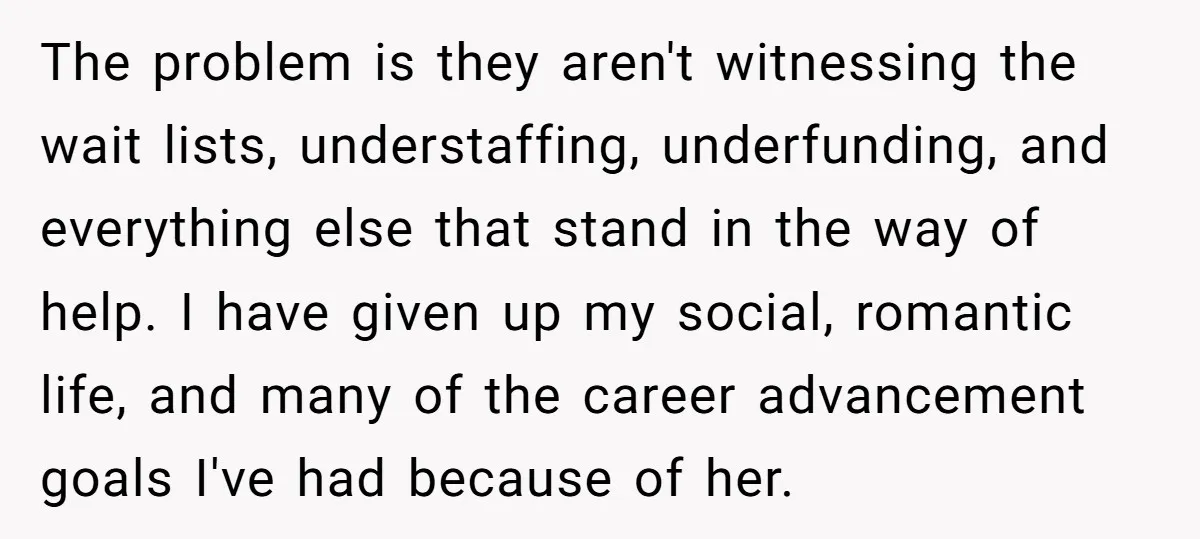


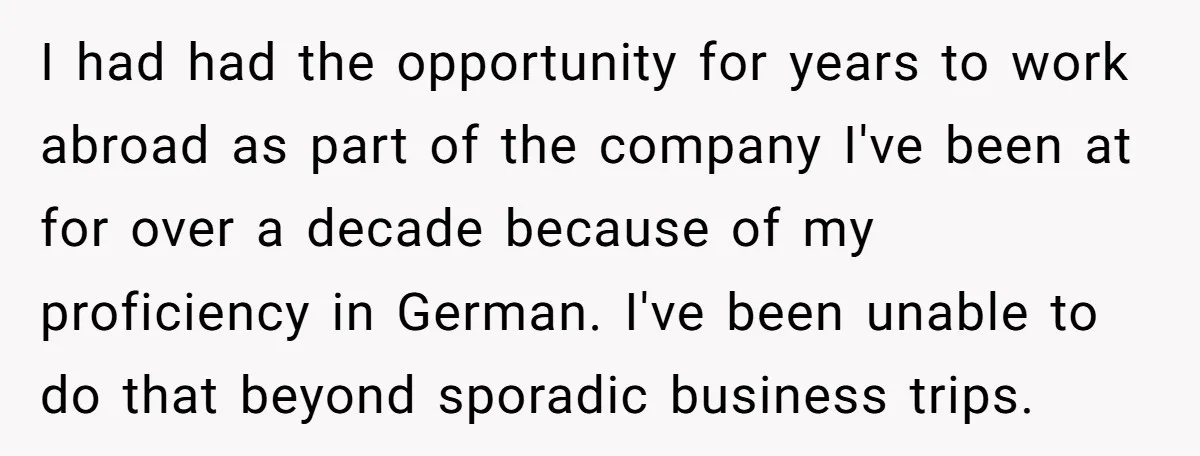



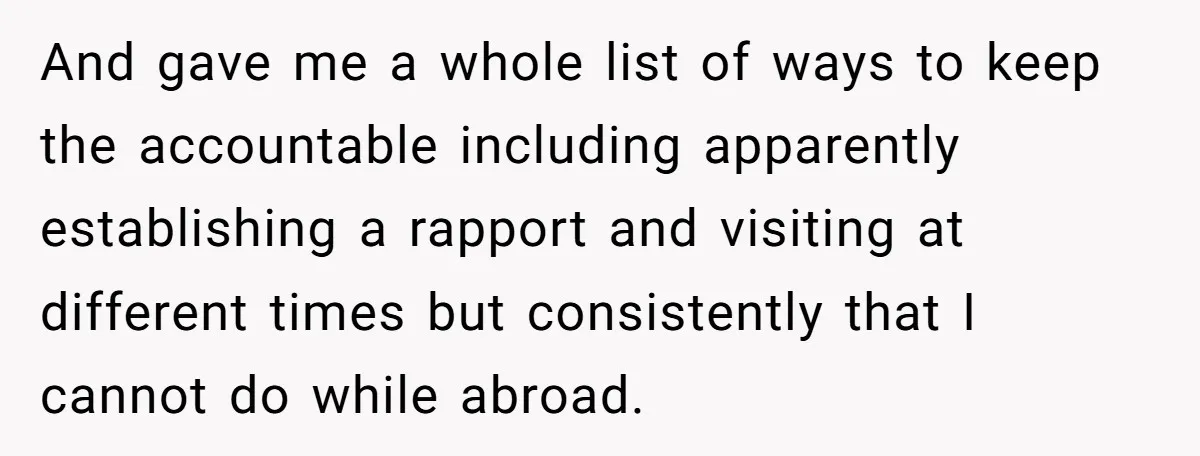
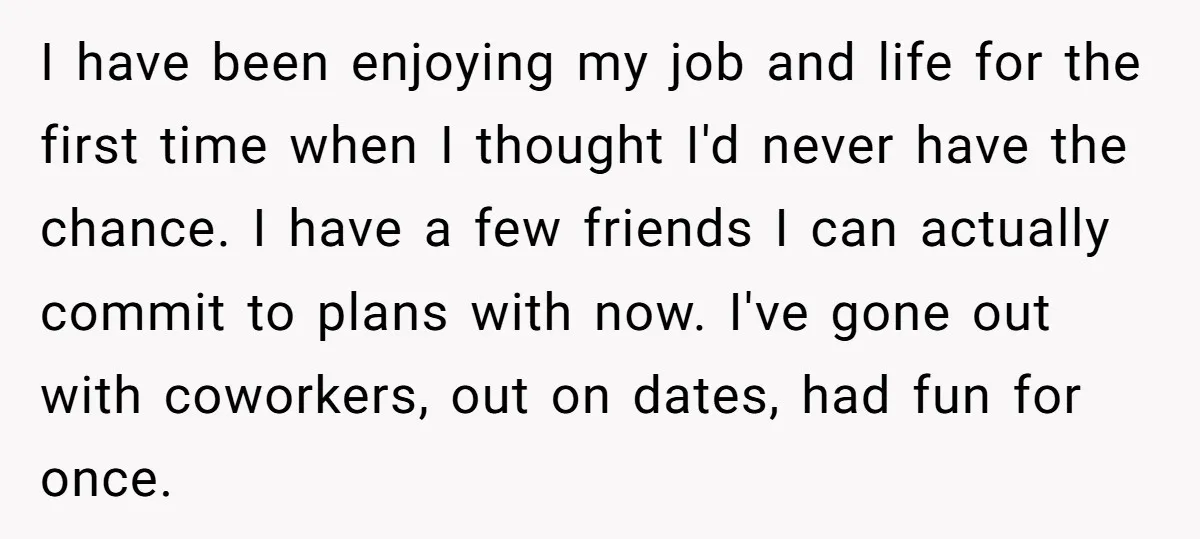

This mother’s situation highlights a reality many full-time caregivers quietly endure: long-term physical and emotional exhaustion. For nearly 20 years, she functioned in a state of constant responsibility, often without meaningful support from her ex-partner. When caregiving demands exceed one person’s capacity, seeking structured, professional care can be both reasonable and necessary—especially when the child becomes an adult with complex needs.
Critics often point to legitimate concerns about abuse or neglect in care facilities. Those risks do exist. However, acknowledging them does not mean a parent must personally shoulder full-time care indefinitely. Sustainable caregiving requires recognizing limits.
Psychologist Christina Maslach, known for her pioneering work on burnout, describes it as “a state of emotional, physical, and mental exhaustion caused by excessive and prolonged stress.” Decades of nonstop caregiving can take a profound toll on health, identity, and long-term well-being.
A balanced approach may offer the most stability: maintaining consistent contact, arranging independent visits if financially possible, reviewing facility reports, and scheduling in-person visits when feasible. Staying present in a child’s life does not require sacrificing one’s entire future. It’s possible to care deeply while also choosing to live.
These are the responses from Reddit users:
Readers didn’t hold back—and this time, the discussion felt layered, emotional, and surprisingly thoughtful. Many people with firsthand experience in caregiving or group homes weighed in, offering everything from practical advice to deeply personal reflections.
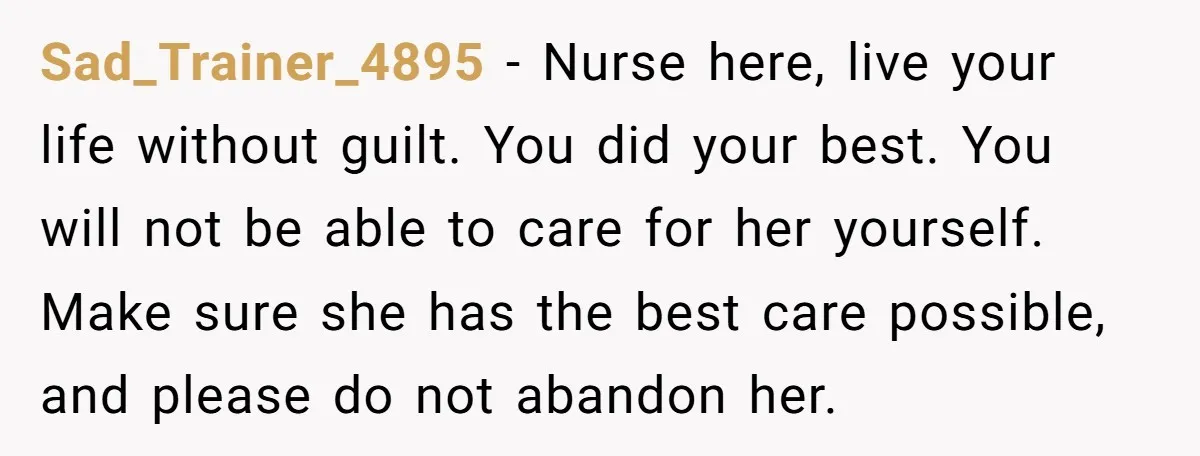
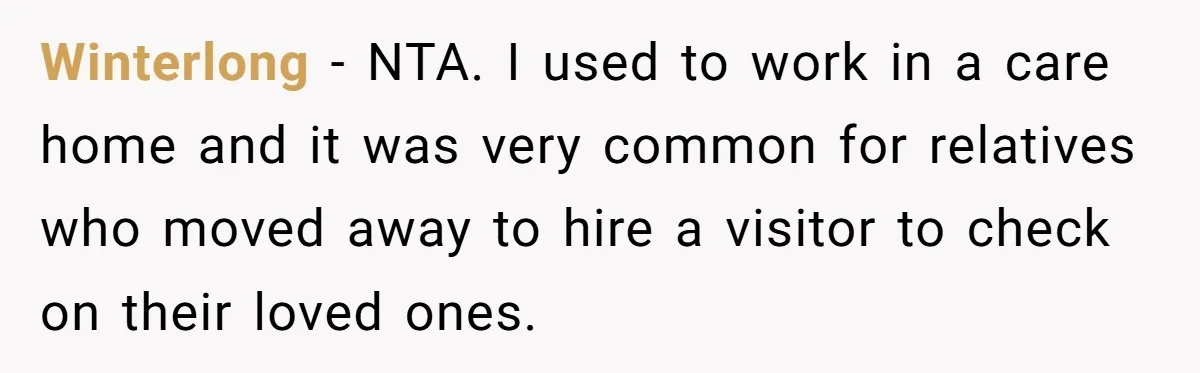
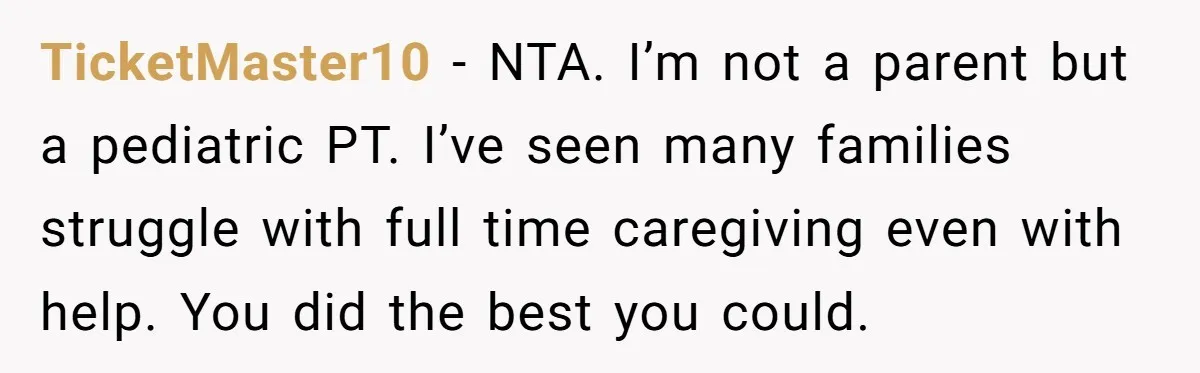
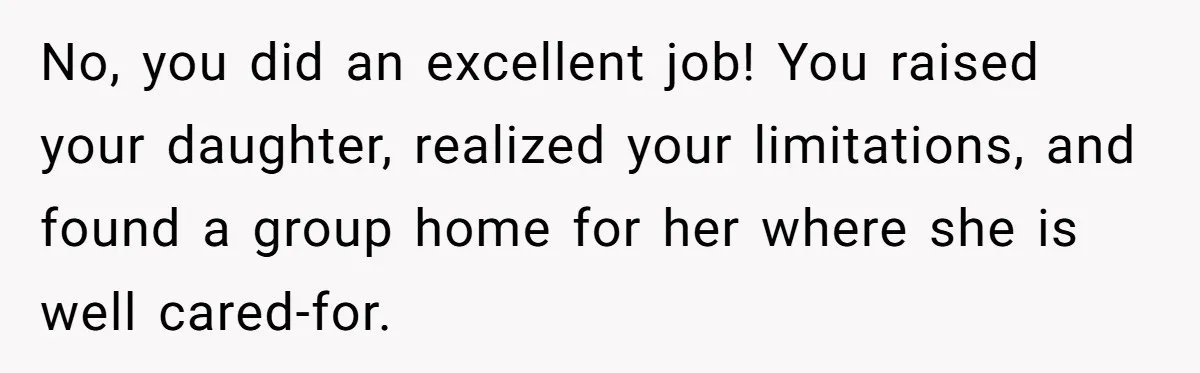
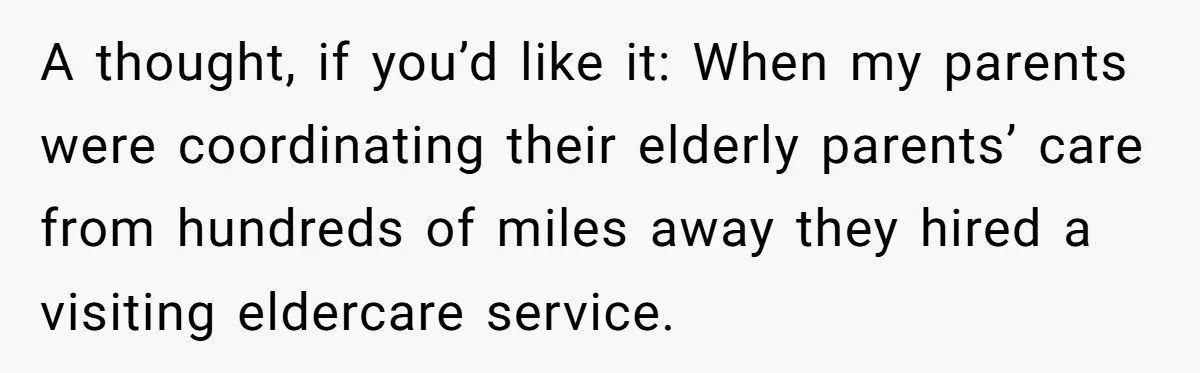
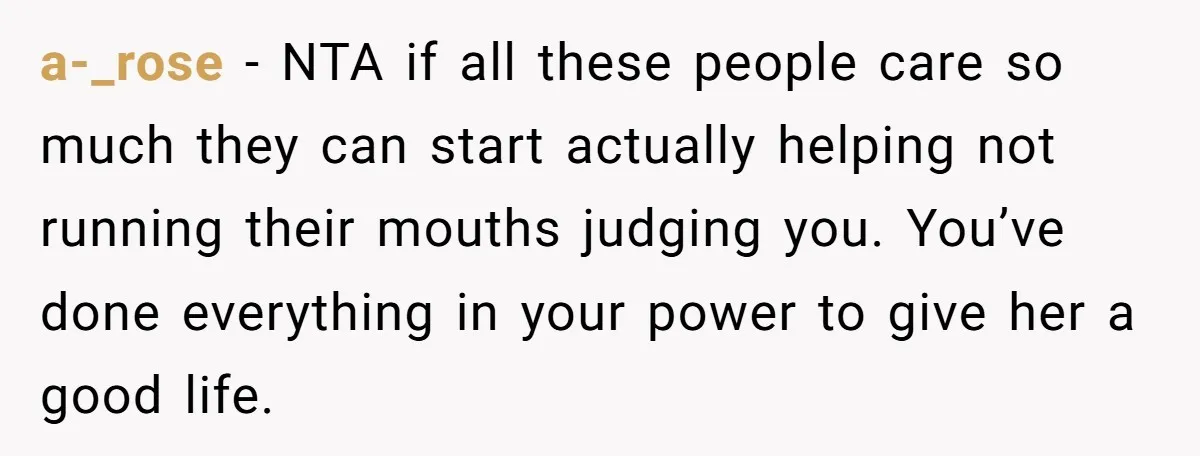
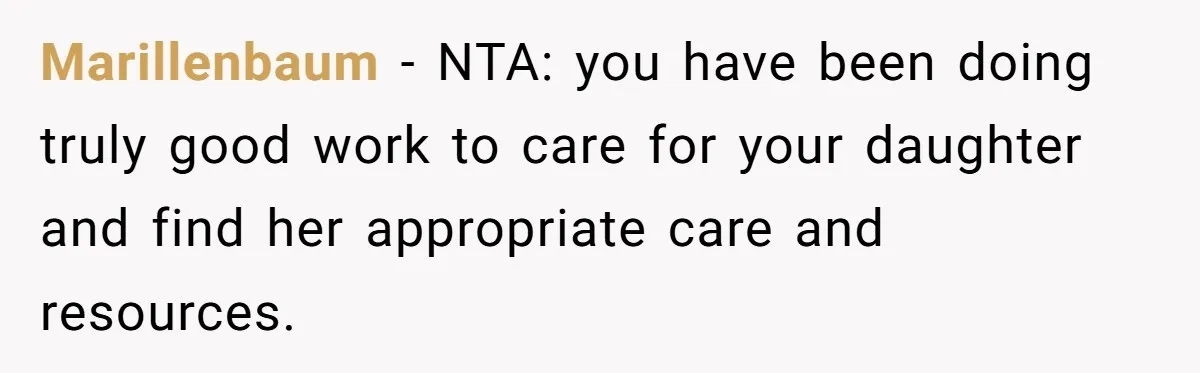
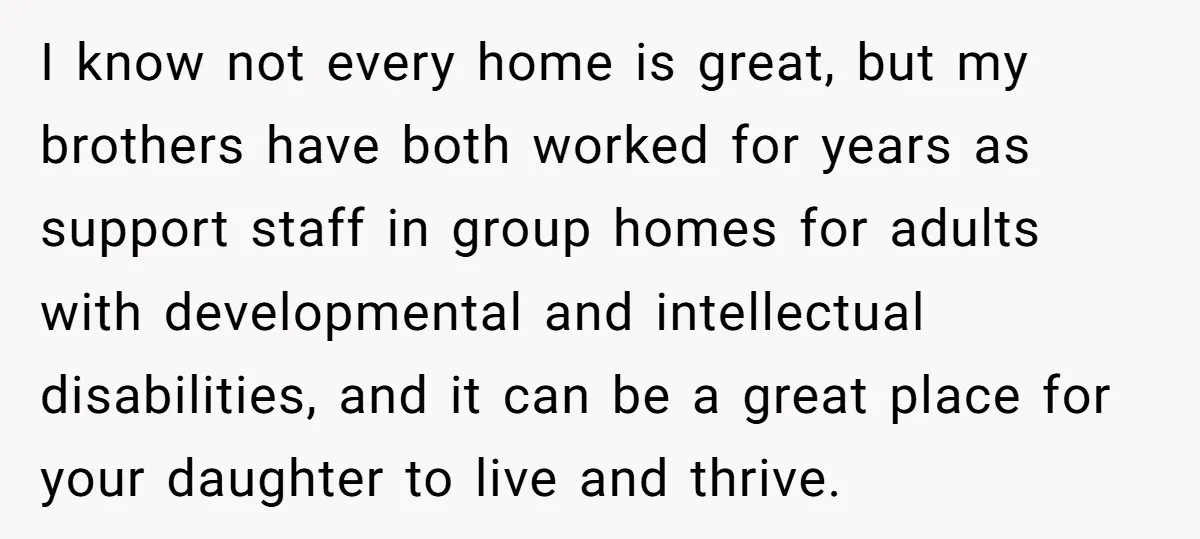
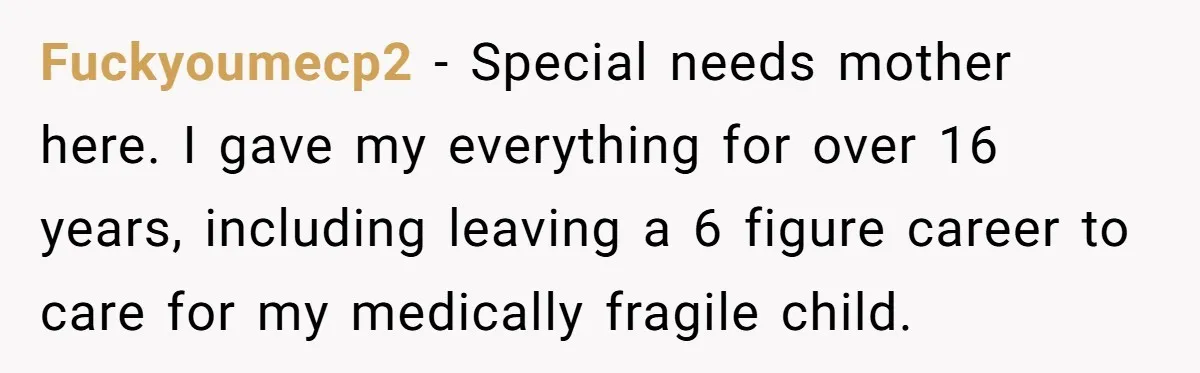
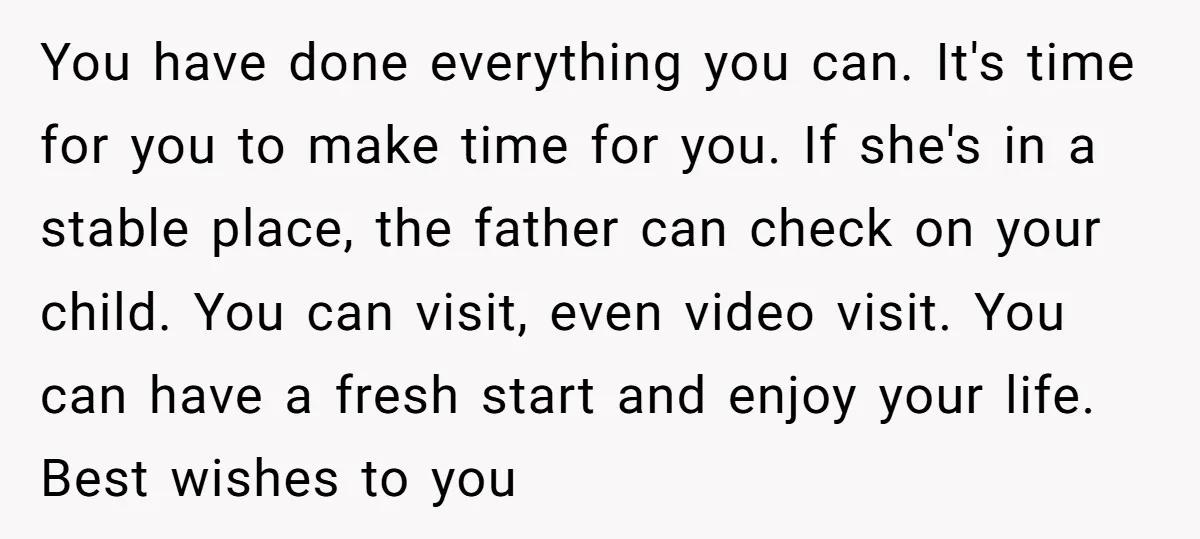
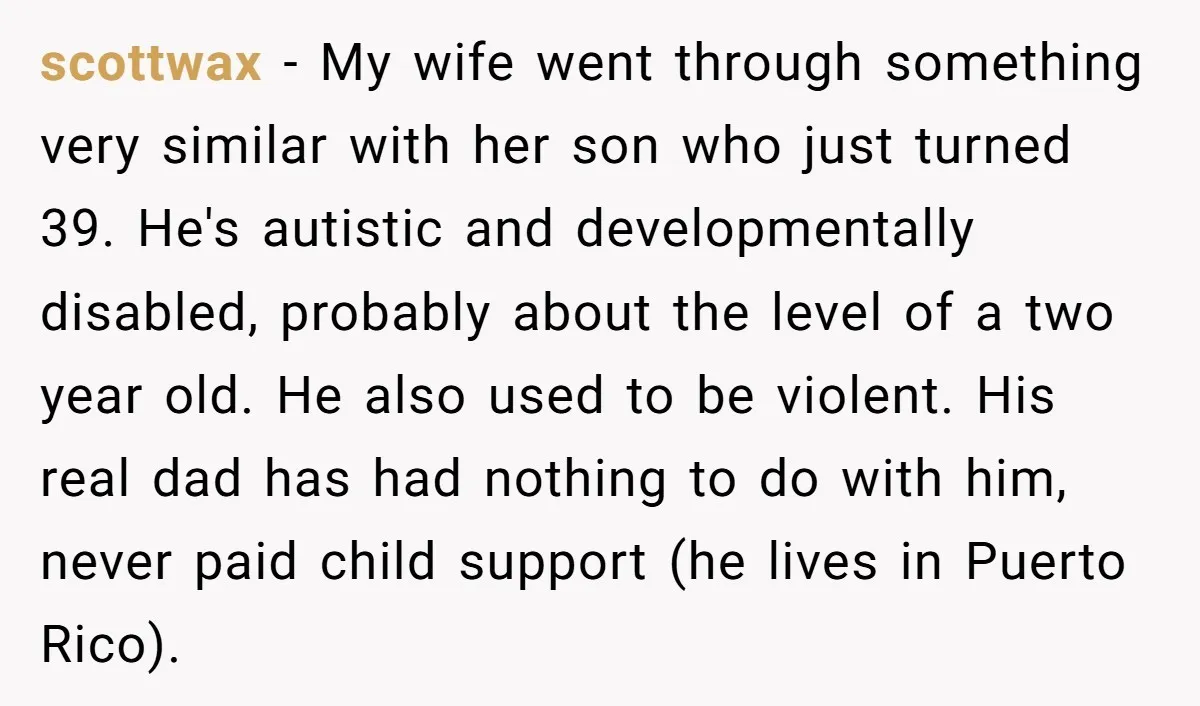
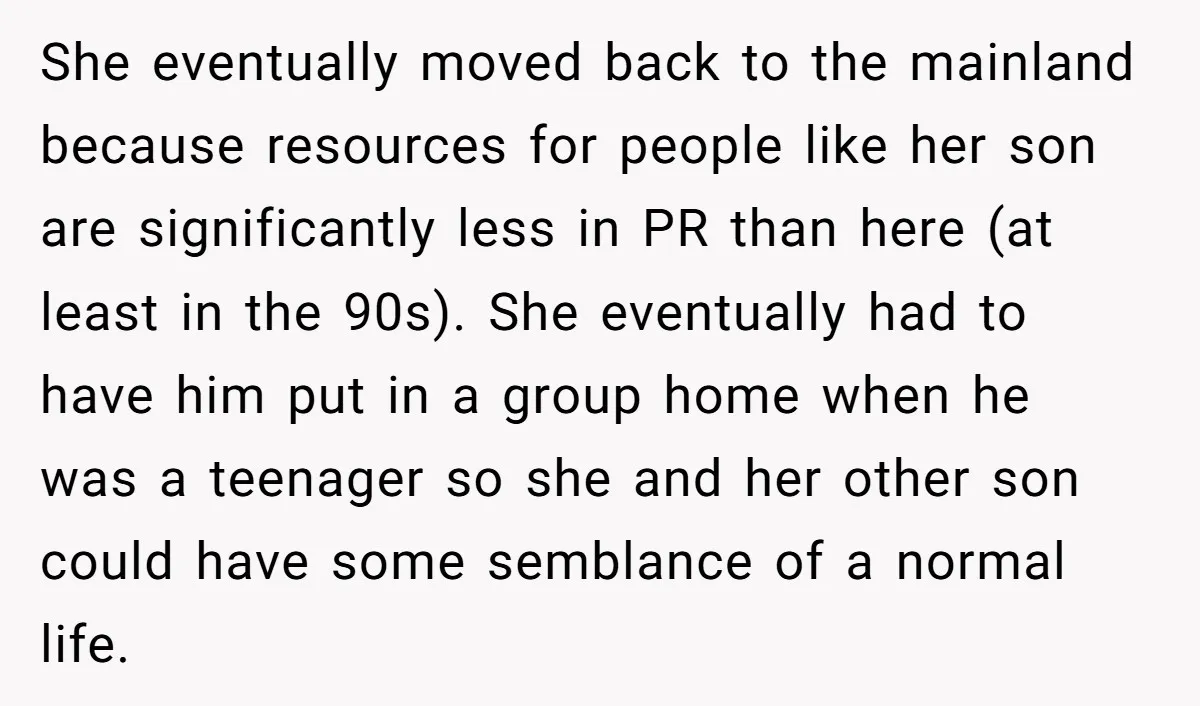
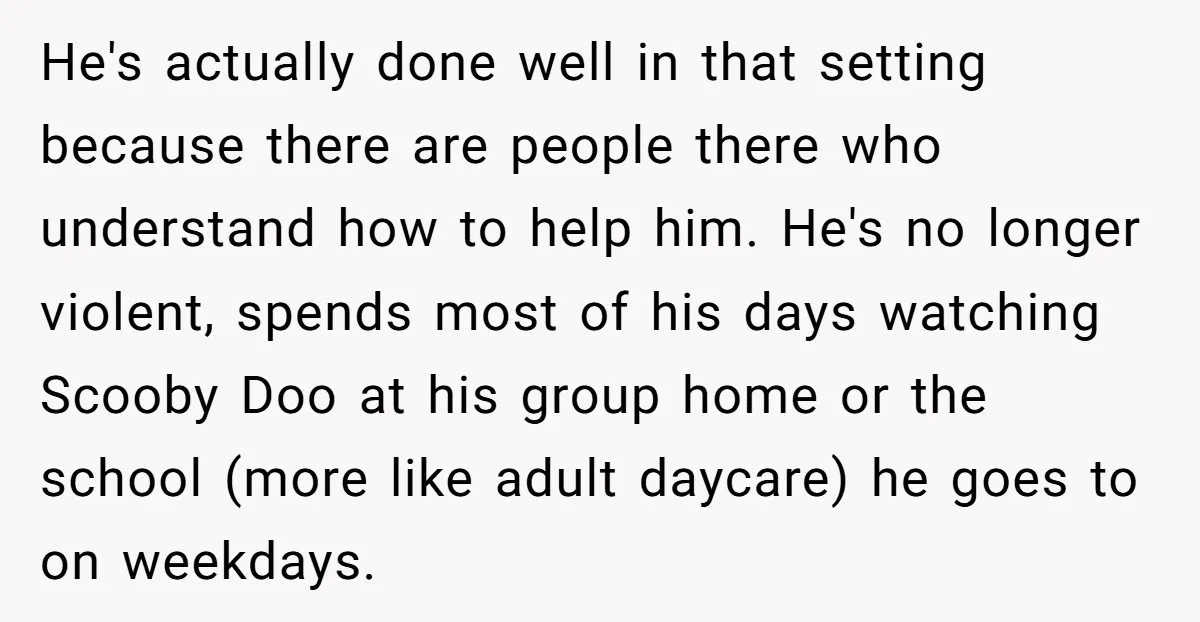
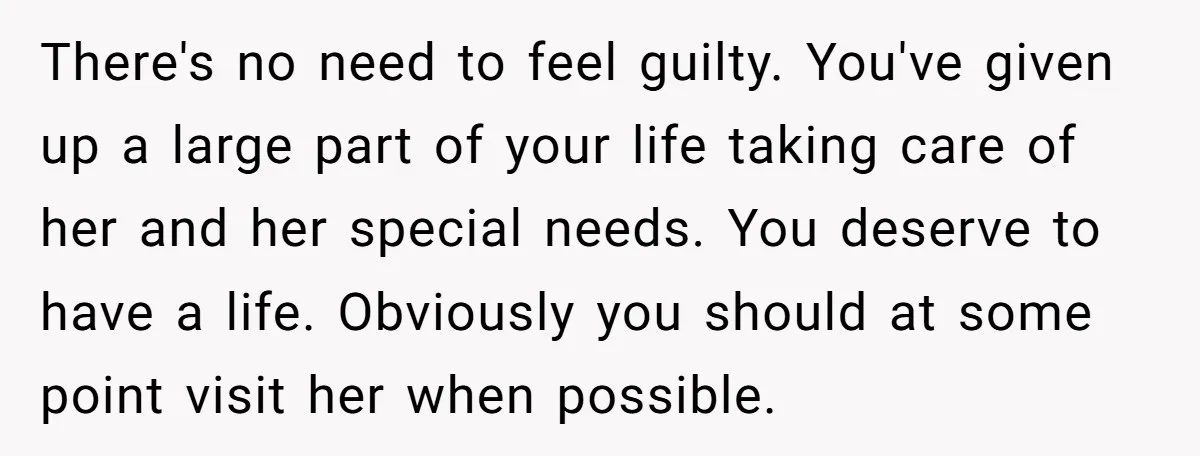
Many commenters strongly supported her decision, saying she had already given two decades of her life:













Others agreed with her choice—but stressed that distance shouldn’t mean total absence:


![[Reddit User] - I think it would be wrong if you are not going to try to visit yourself if it is possible. You haven't mentioned if you plan to...](https://loknam.com/aita/images/875bc6885f/wp-editor-1771839102332-3.webp)

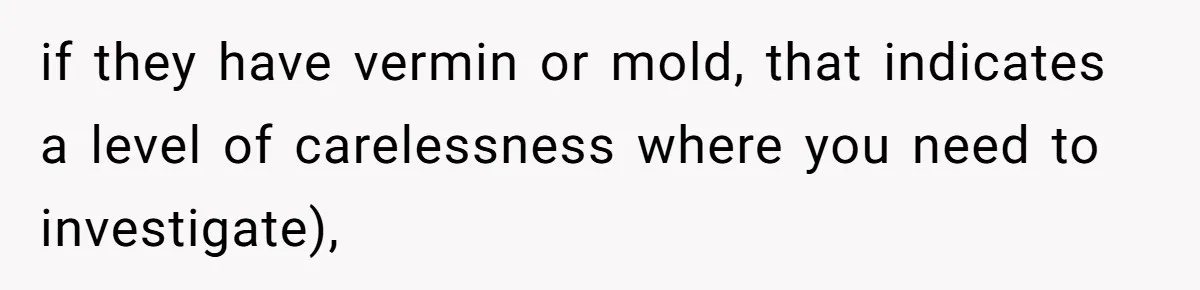
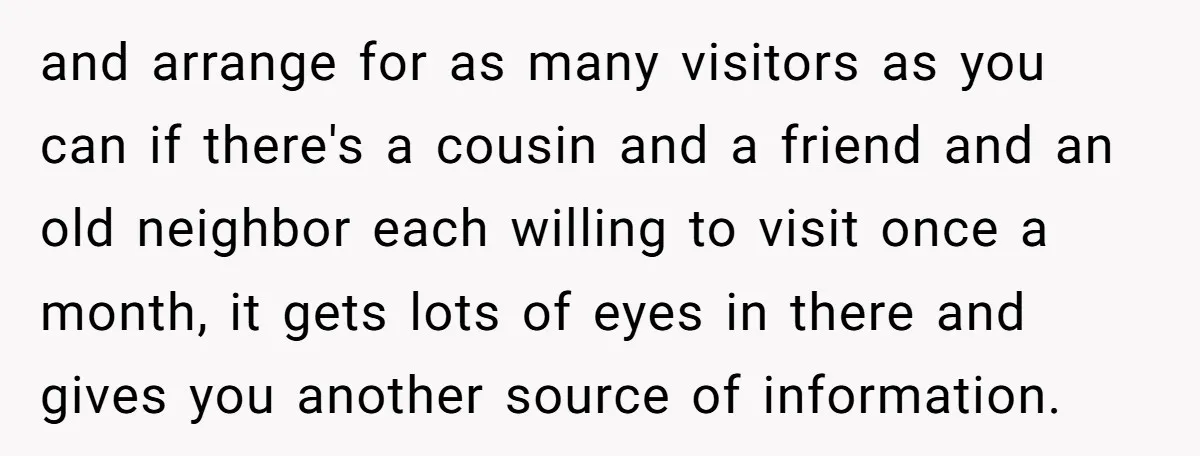
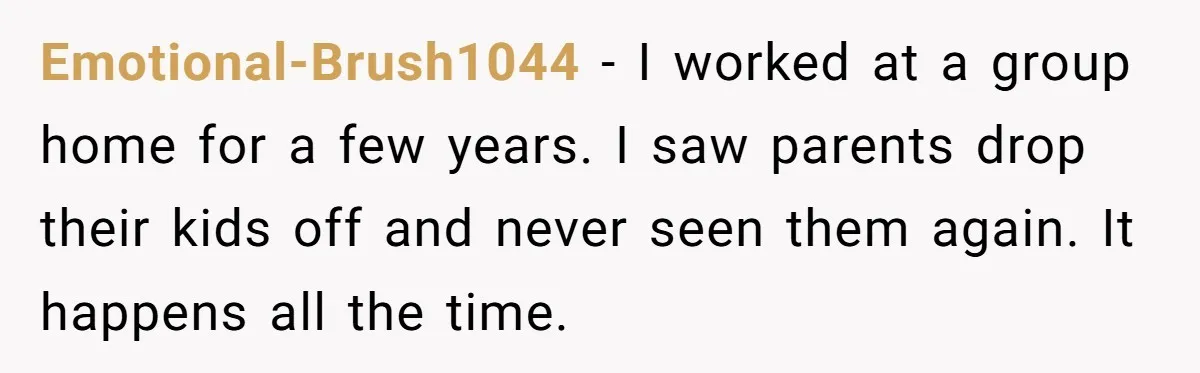
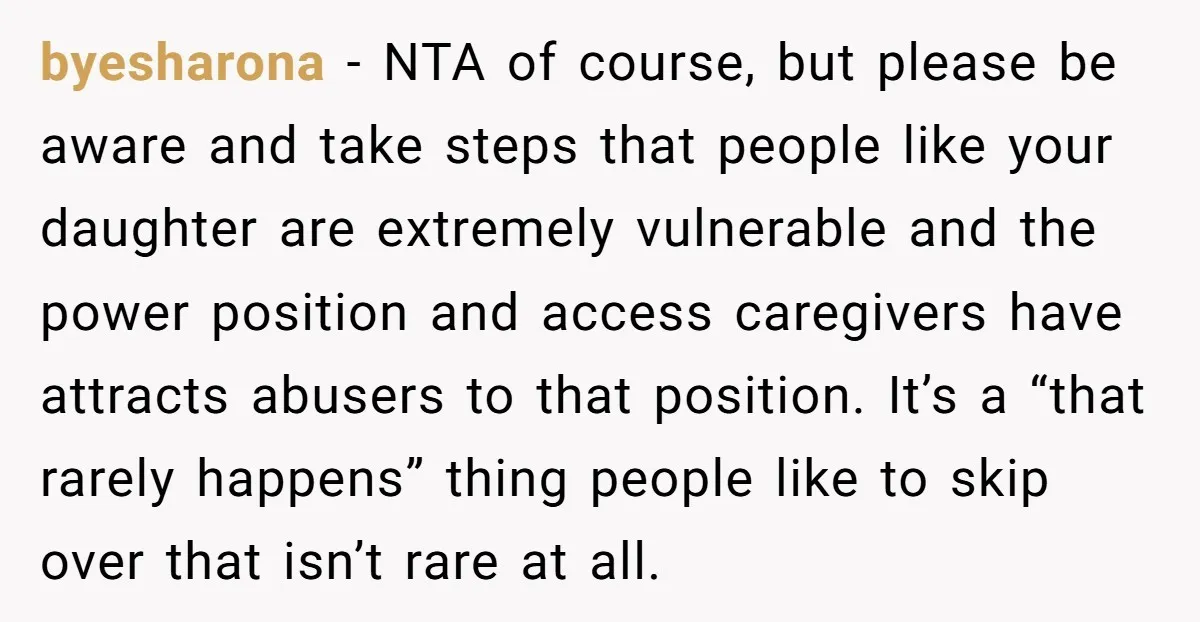
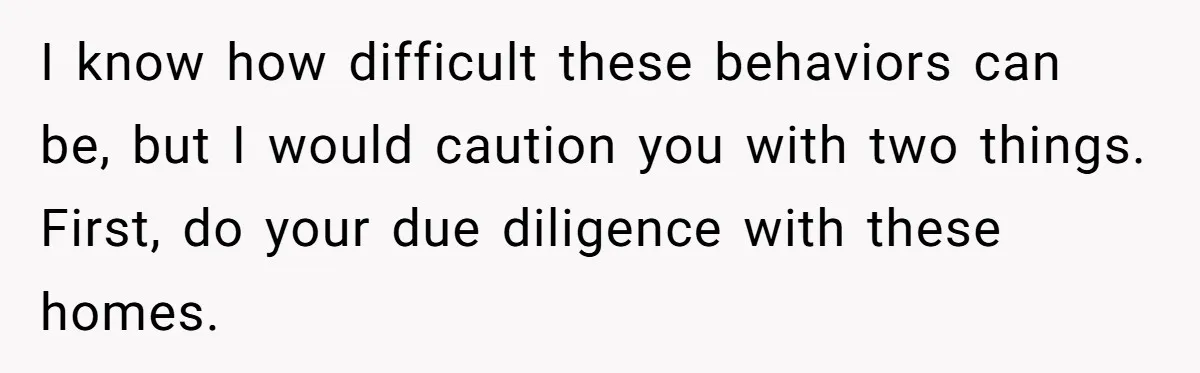
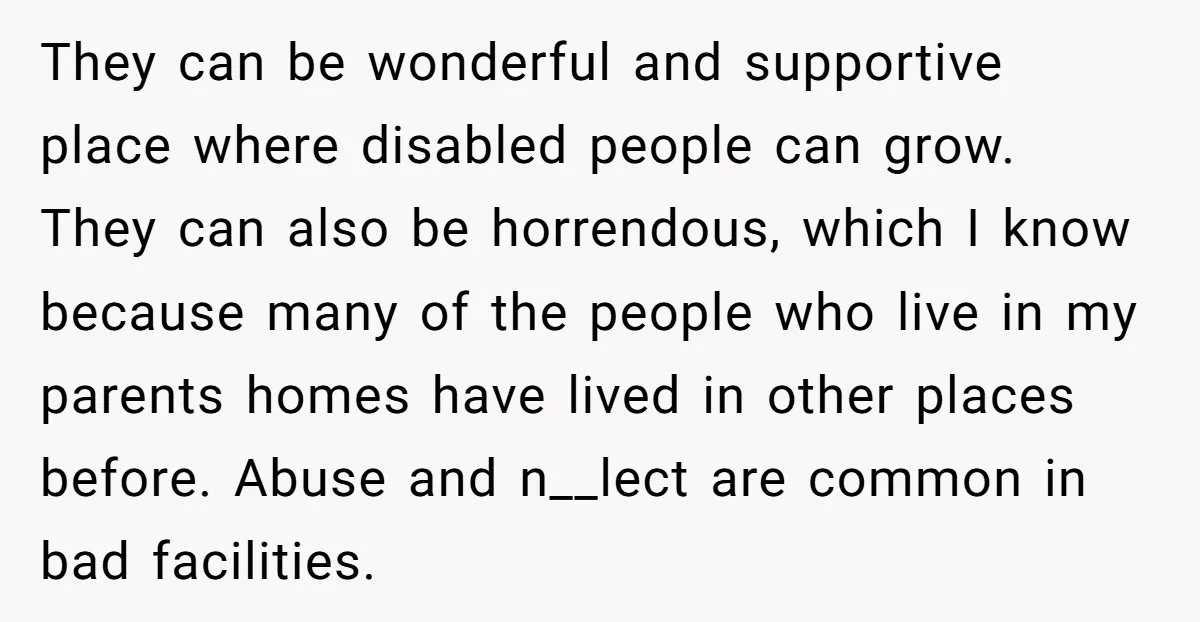
Several commenters also shared cautionary perspectives about care facilities:
![[Reddit User] - OP I feel for you. I grew up around group homes because my parents run them and I worked in them between my junior year of high...](https://loknam.com/aita/images/875bc6885f/wp-editor-1771839053323-3.webp)
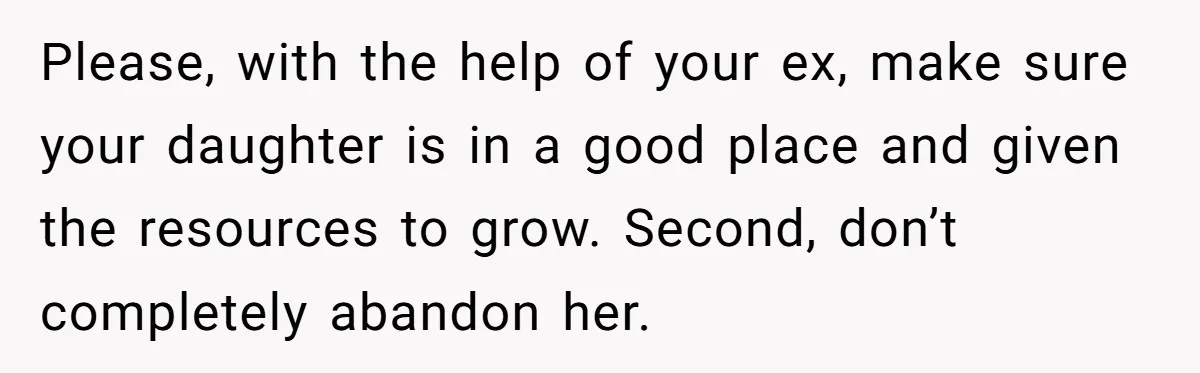
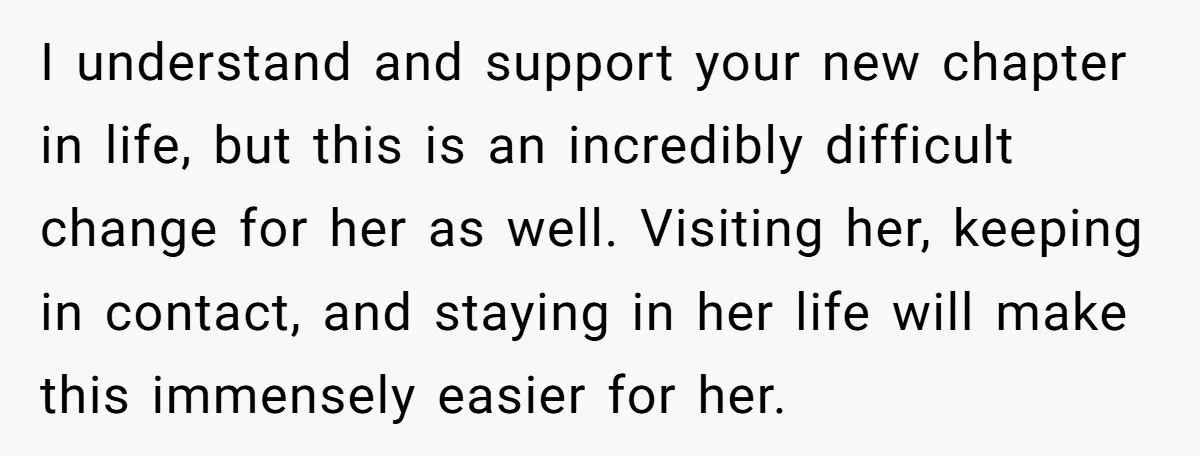

And finally, some responses carried deeply personal and emotional weight:


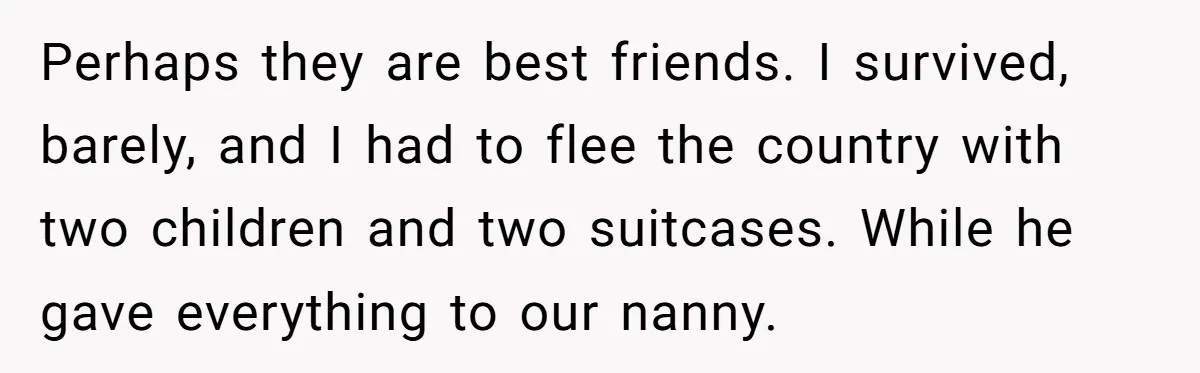





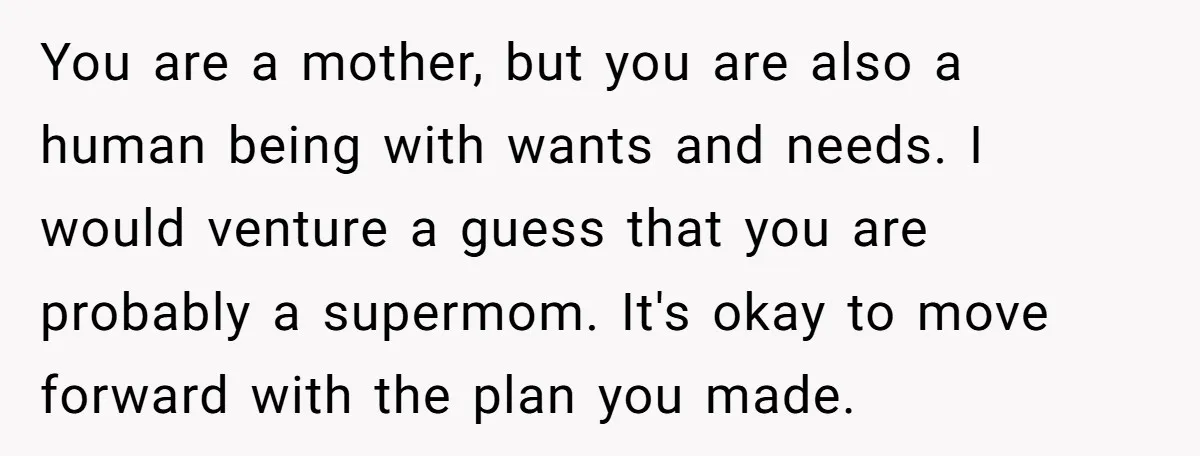


After two decades of prioritizing her daughter’s needs above all else, this mother made a choice that many would struggle to confront. She secured professional care, ensured her daughter had placement in a facility, and stepped into a long-postponed chapter of her own life. Yet distance and social expectations have complicated what might otherwise have felt like relief.
Does parenthood require lifelong self-denial, even after a child reaches adulthood and has structured support? Or can there be room for both responsibility and renewal? Where would you draw the line?