What do you do when family tradition collides with painful choices and betrayal? For many grandparents, creating special keepsakes for new grandchildren is a joyful ritual that celebrates love and continuity.
One grandmother faced a heartbreaking dilemma. She has lovingly knitted intricate blankets for every grandchild born into the family — a tradition that takes months of careful work. But when her stepson had a child through an affair that ended his previous relationship, she chose not to make one for the new baby. The decision sparked family tension and questions about fairness, loyalty, and consequences. Her story touches on the deep emotions that arise when love for children meets disapproval of their parents’ actions.
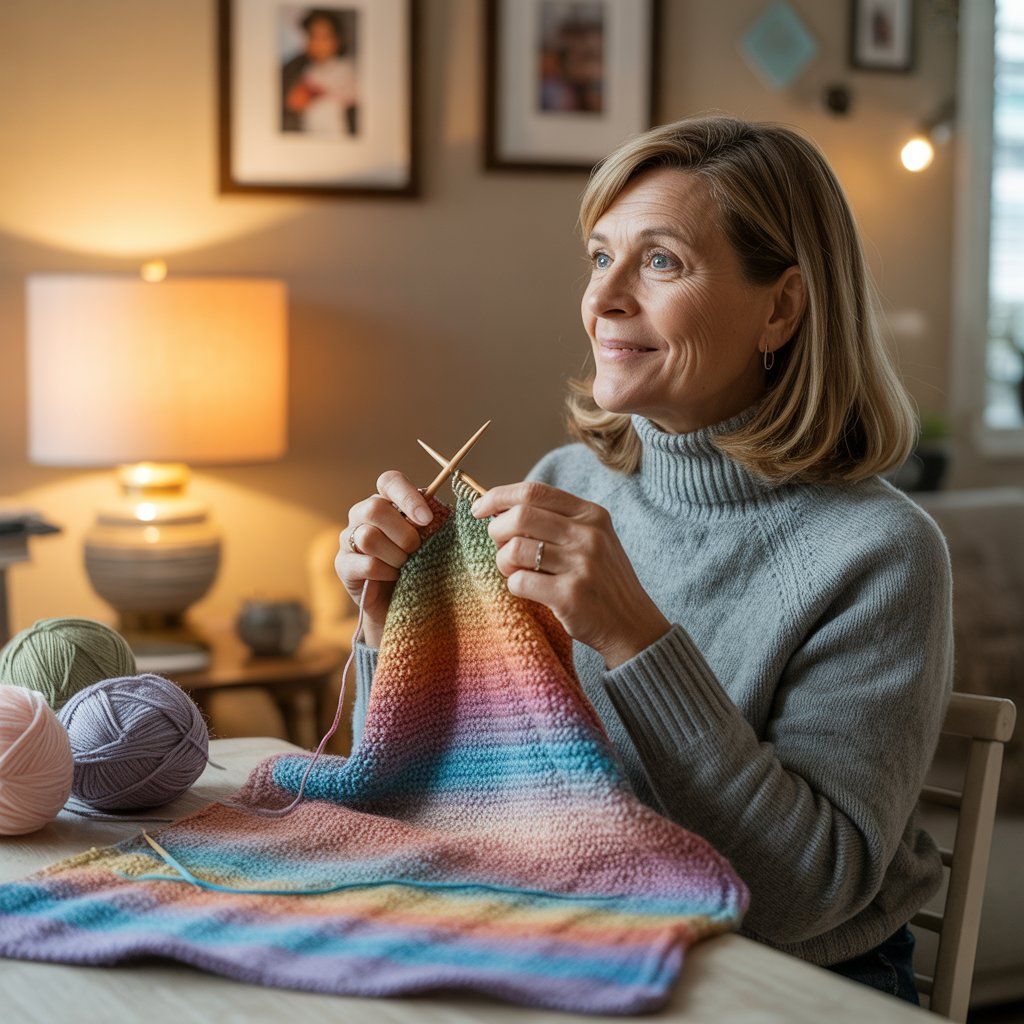
‘AITA for refusing to knit a blanket for my new grandson even though I’ve made them for my other grandchildren?’
The blended family had been harmonious until recent events changed everything.



The tradition continued for Sarah’s new baby, but Adam’s request brought conflict.
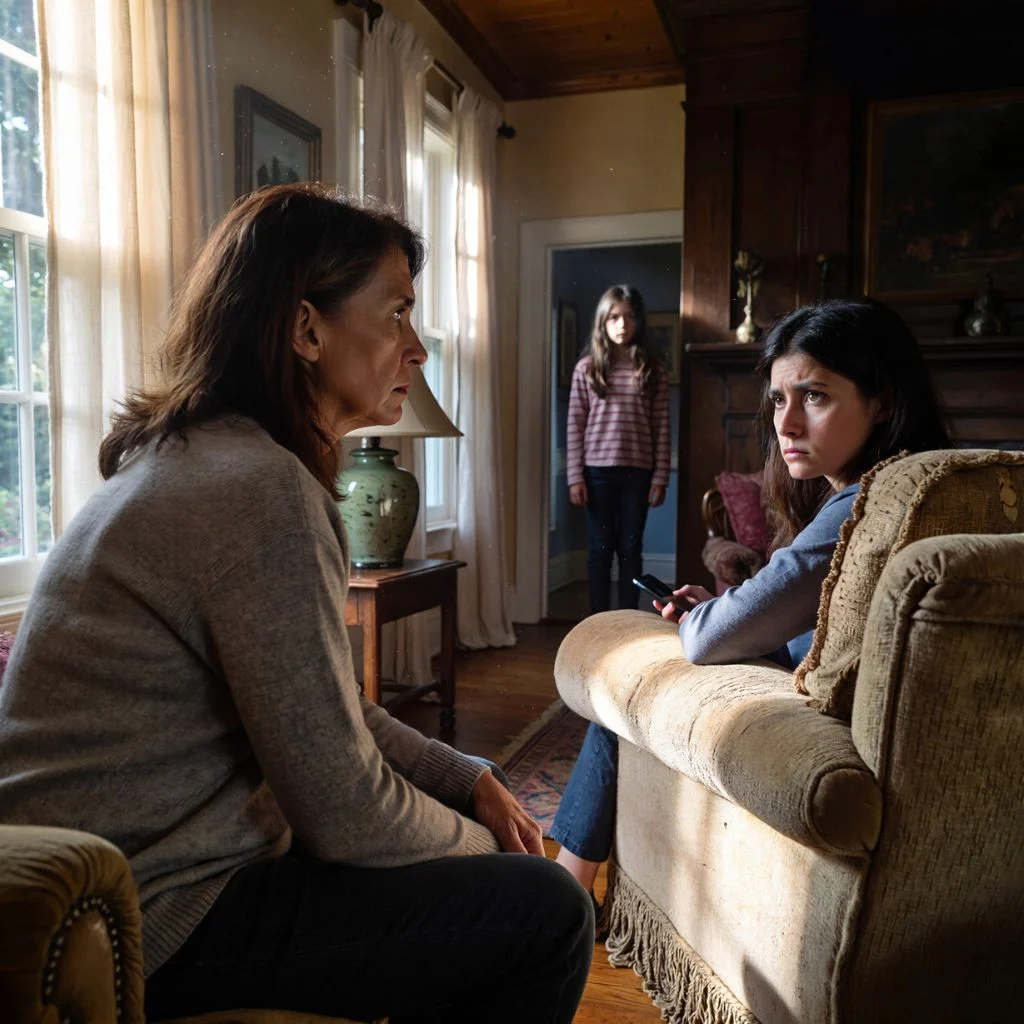
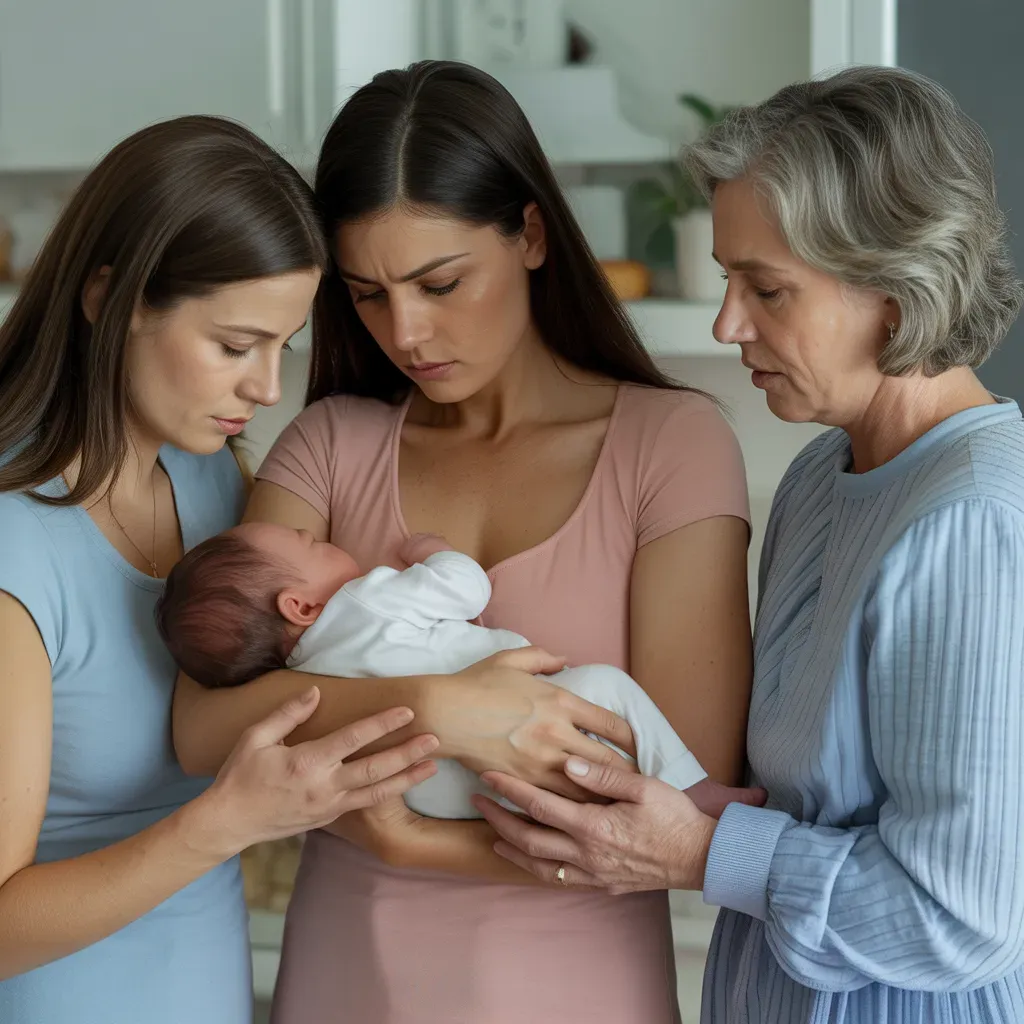
The heart of this conflict lies in a grandmother’s tradition clashing with her moral stance on infidelity. She has always knitted elaborate blankets to welcome grandchildren, symbolizing love and inclusion. When her stepson Adam left his pregnant partner Sarah for an affair partner Kate, it created deep pain. Sarah now raises two children largely alone, while the grandmother supports her closely. Refusing to make a blanket for Adam and Kate’s child feels like a boundary, yet Adam asks for it to include his new baby in the family.
The grandmother’s anger stems from Adam’s abandonment and disregard for Sarah and their existing children. Supporting Kate would feel like endorsing betrayal, especially after standing by Sarah through labor and appointments. Adam and Kate push for acceptance, framing the blanket as unity for the baby. This ignores the emotional toll on Sarah’s children and the grandmother’s values. The situation tests how far family ties extend when actions cause harm.
Family therapist Dr. Harriet Lerner has observed that “boundaries are the framework we create to protect our emotional health and relationships.” This applies here — refusing the blanket protects the grandmother’s integrity and consistency. It also models accountability for hurtful choices.
Practical steps include communicating calmly with Adam: explain the decision stems from his actions, not the baby. She could offer future support for all grandchildren once relationships heal. Consider therapy for blended family dynamics. For Sarah’s children, maintain open love to shield them from fallout. Time may soften feelings, but honoring personal boundaries now prevents resentment later.
Here’s how people reacted to the post:
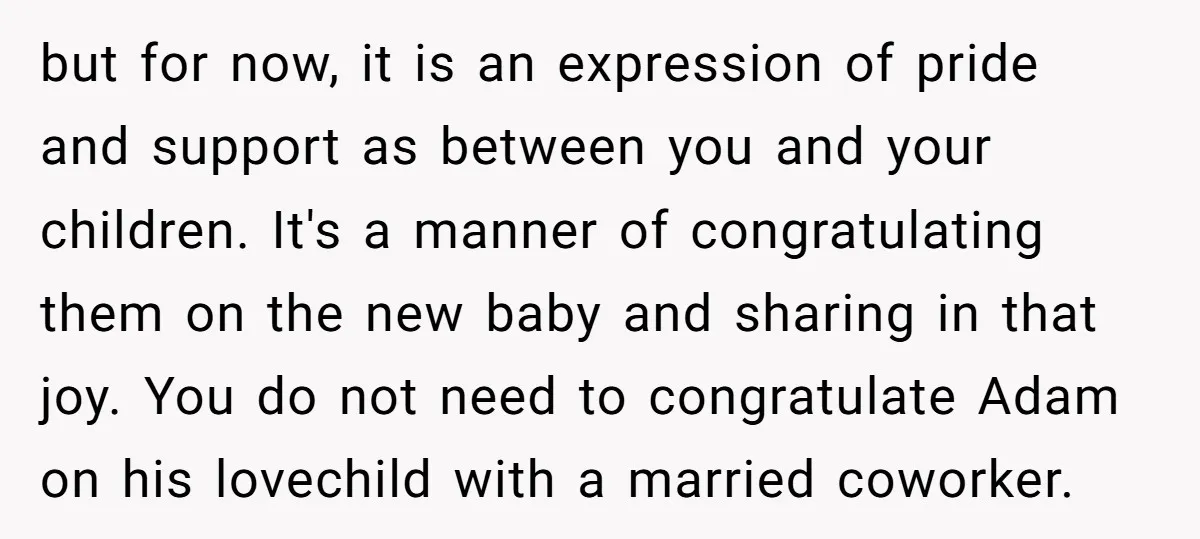
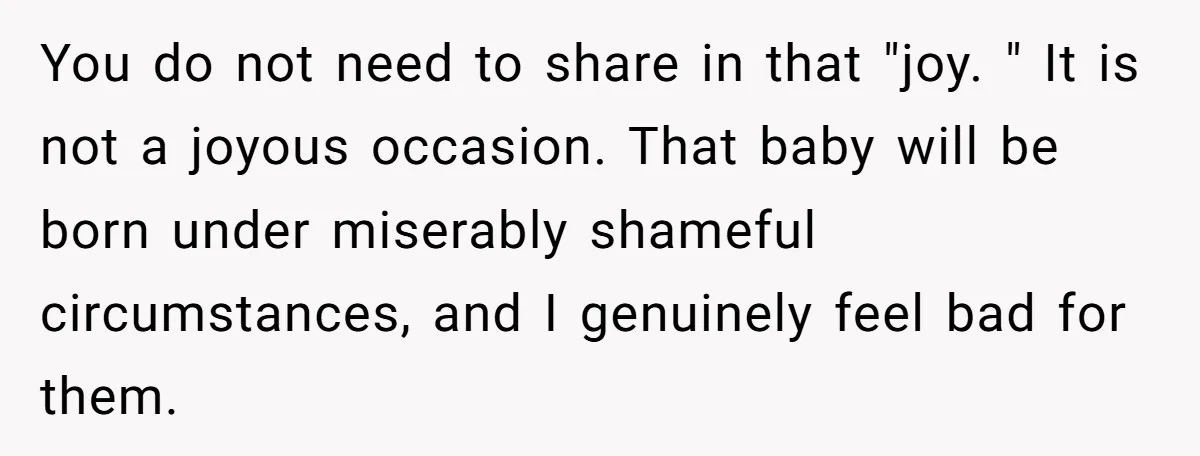
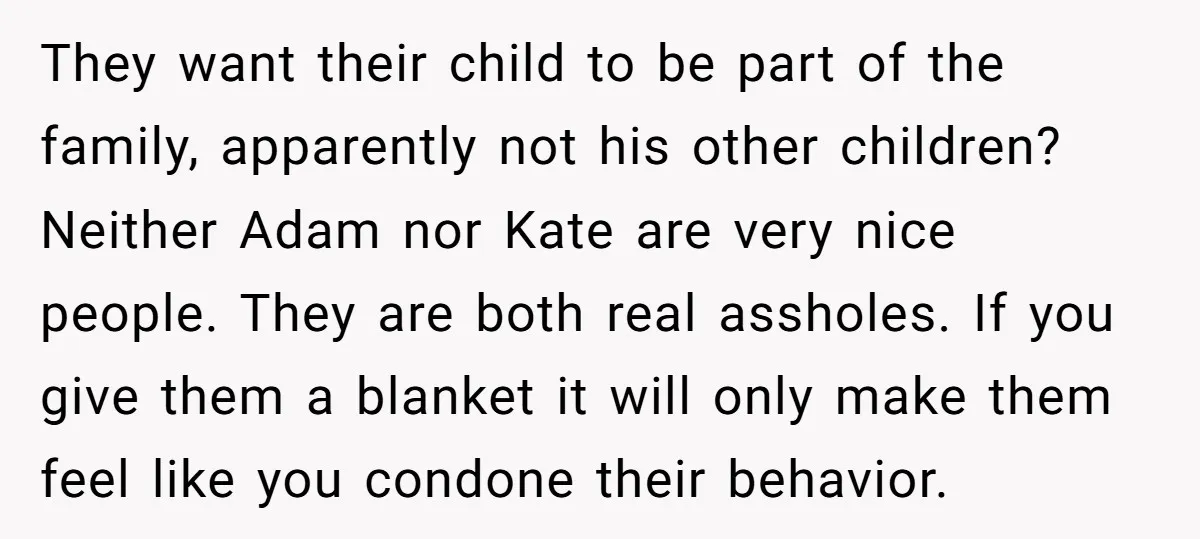
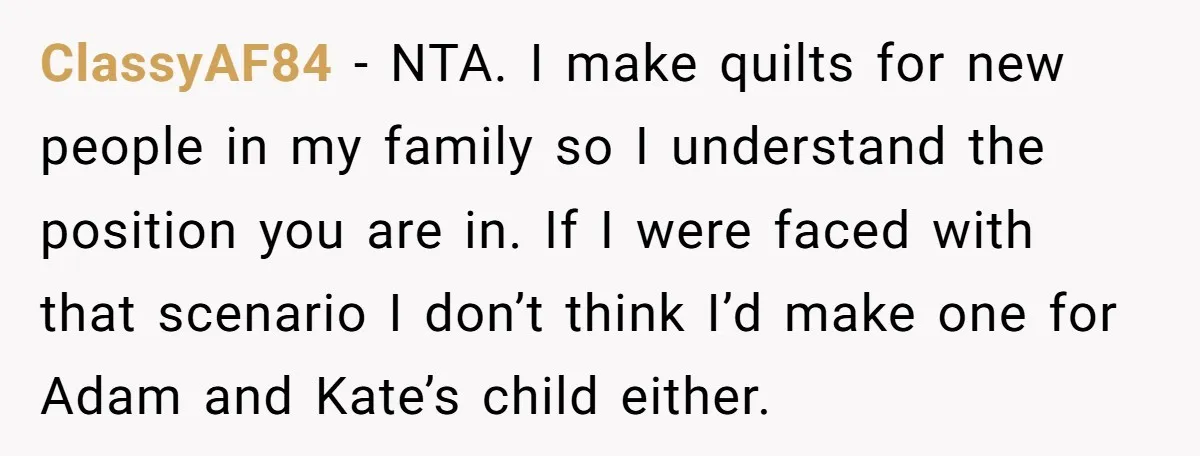
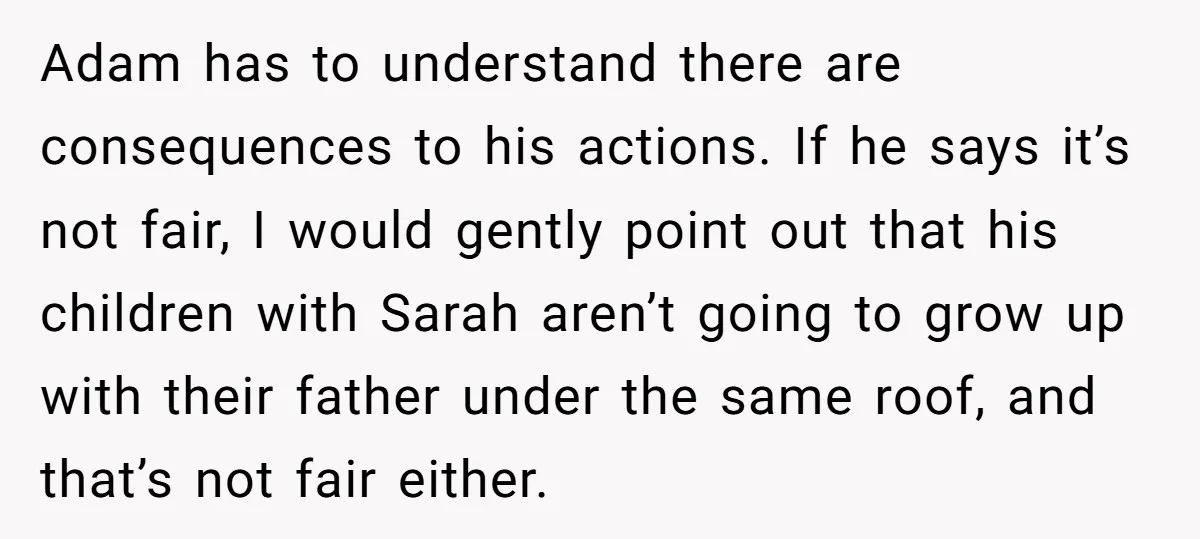
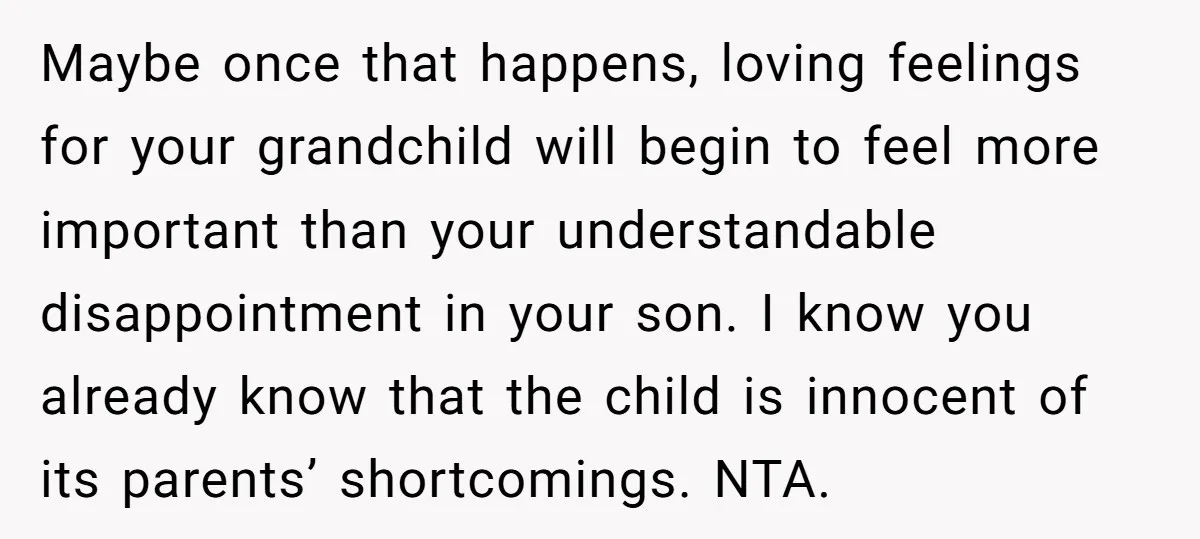
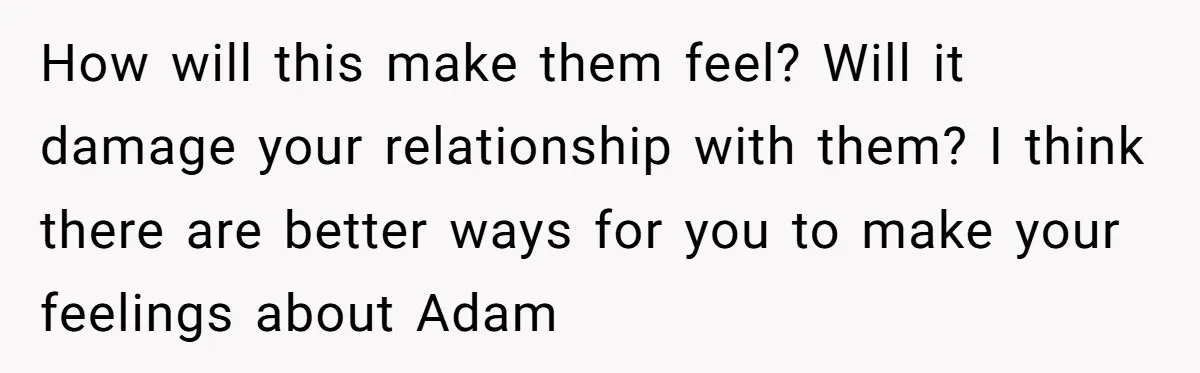
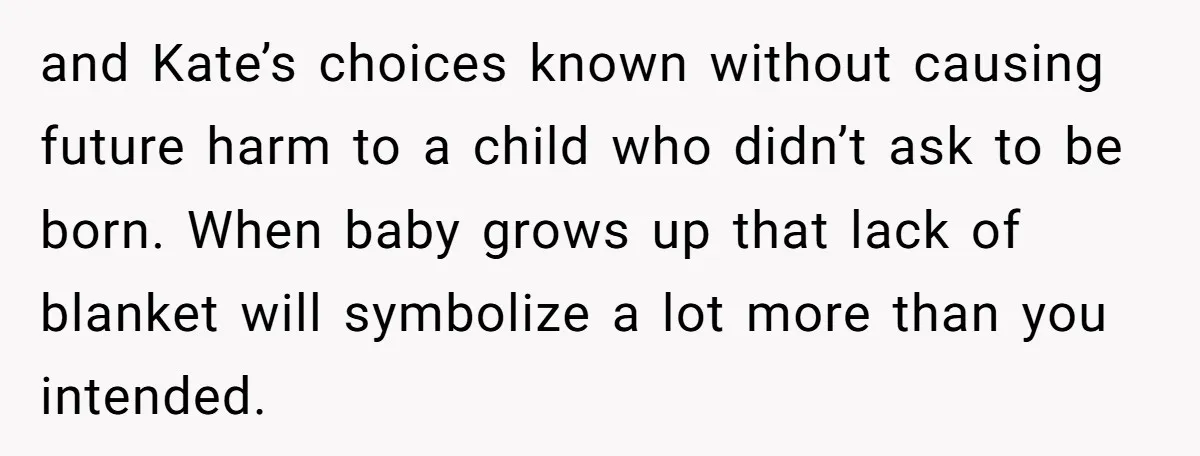
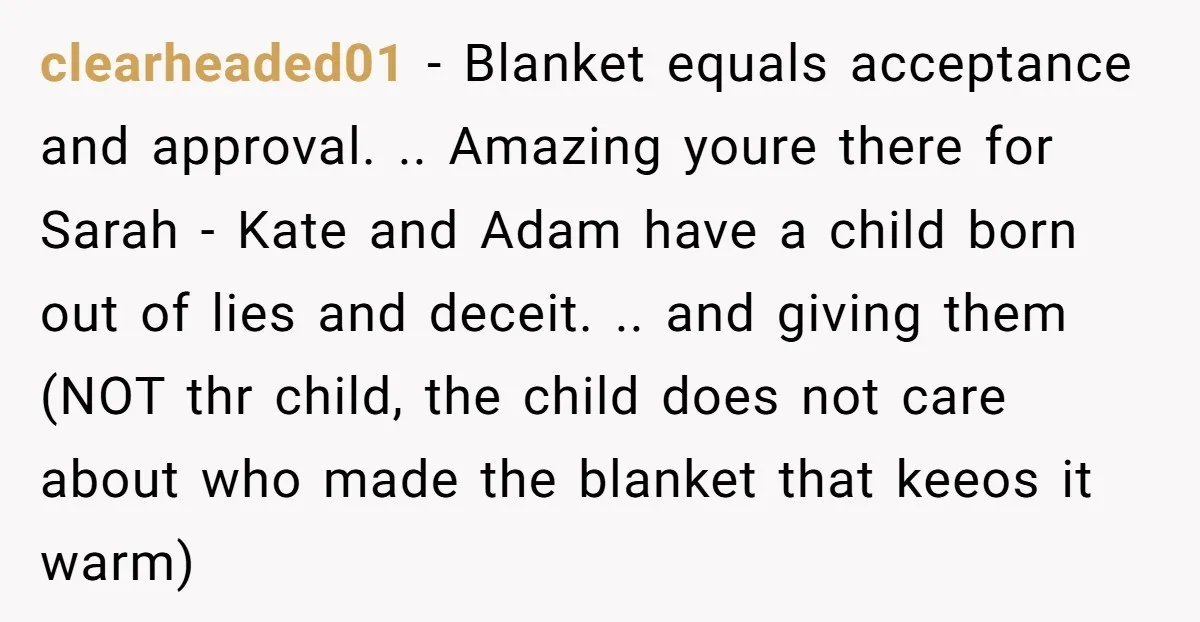
Social media users largely supported the grandmother. They viewed the blanket as a symbol of acceptance and refused to reward infidelity. Many praised her support for Sarah while urging her to hold firm.
Most condemned Adam and Kate’s actions and defended the refusal.
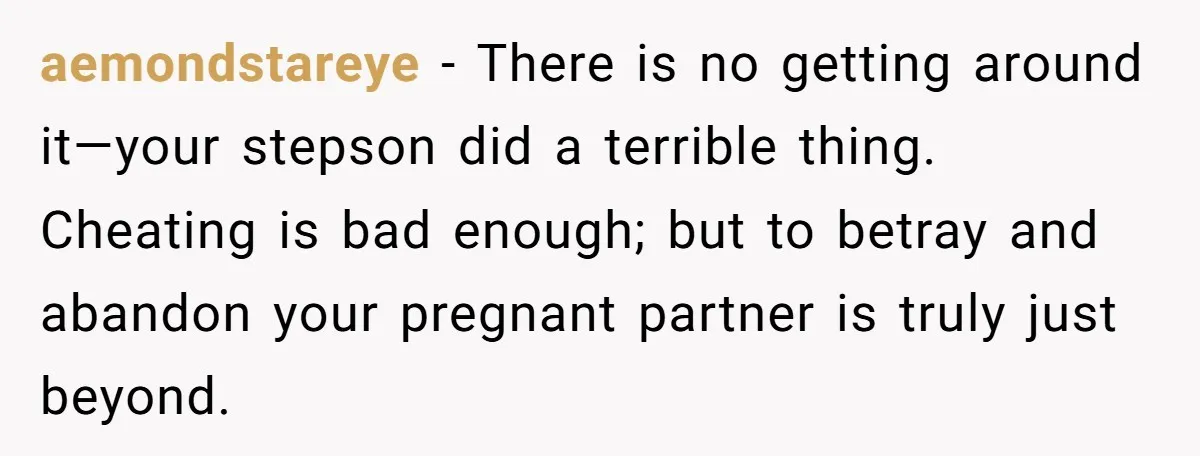
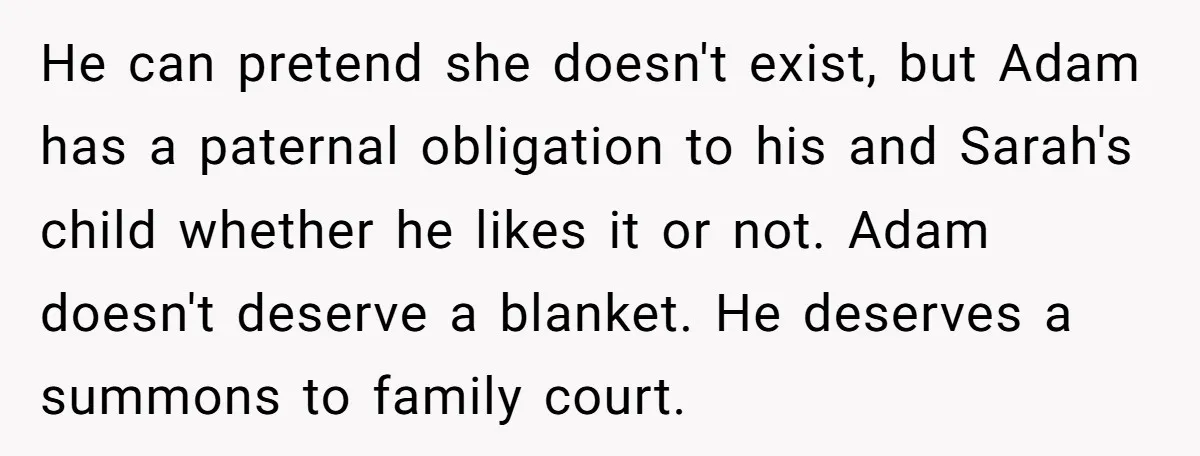
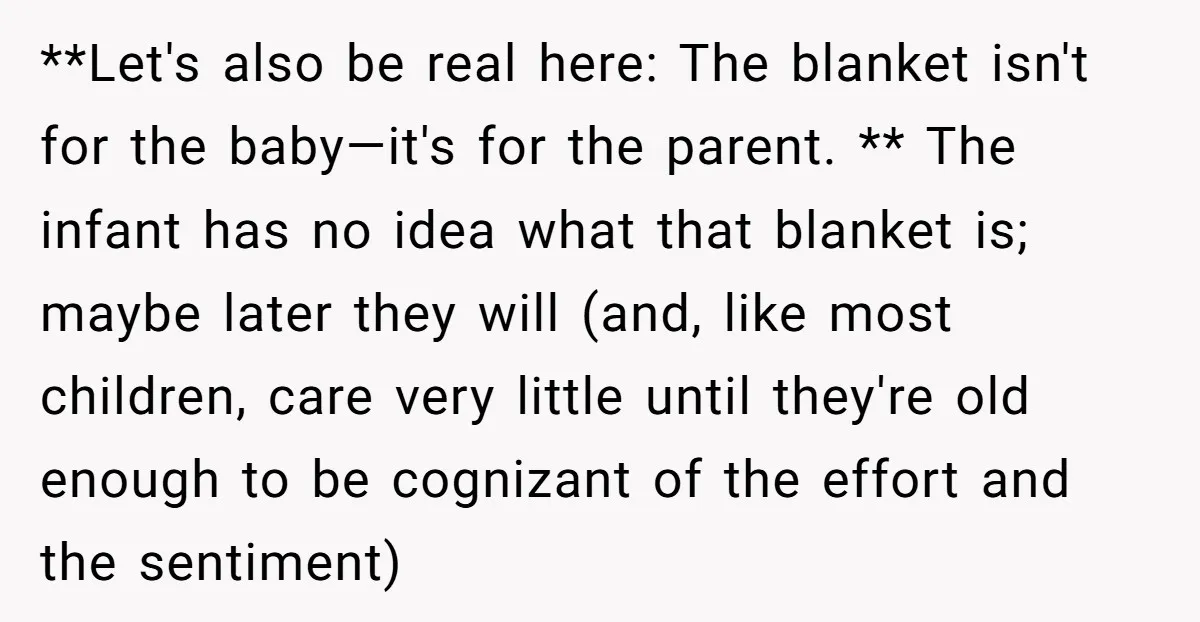
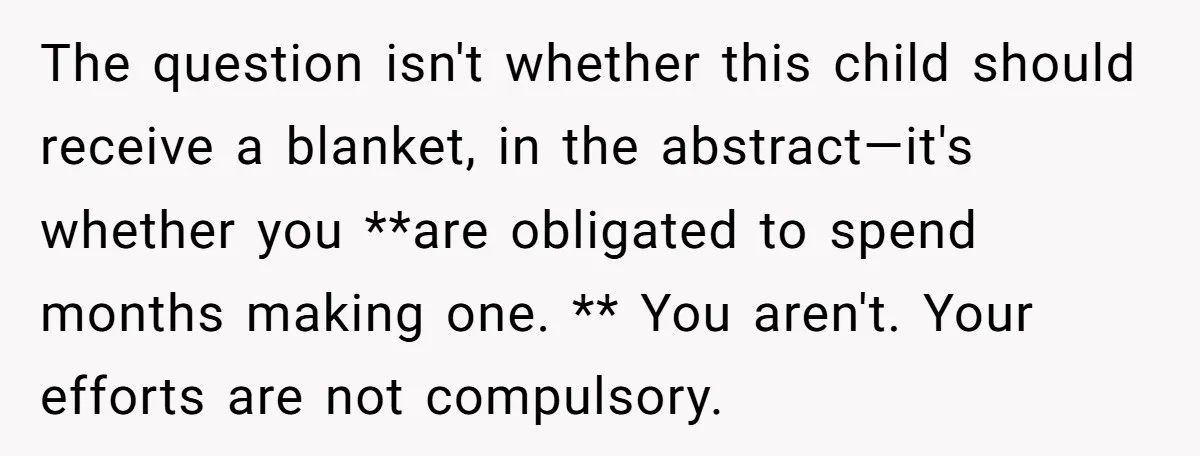
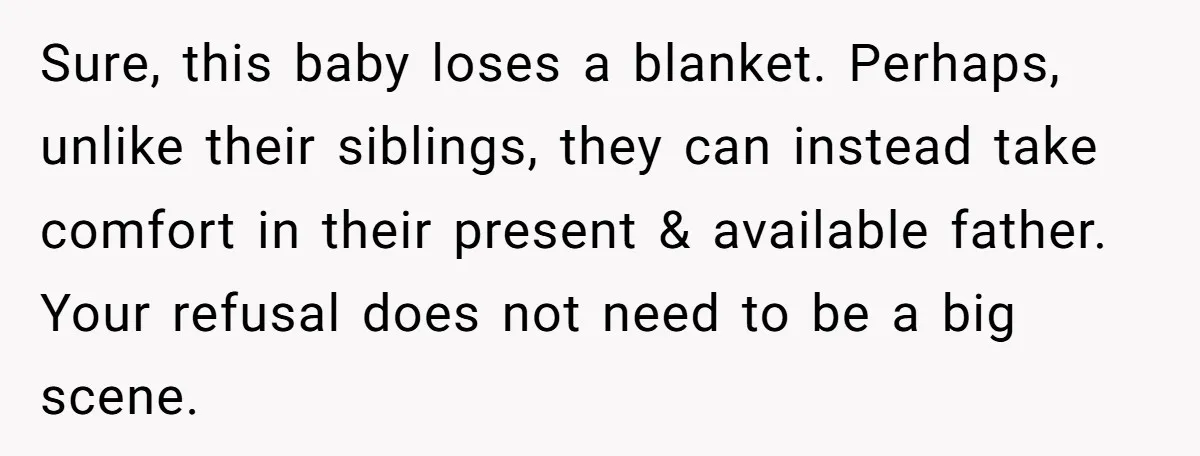
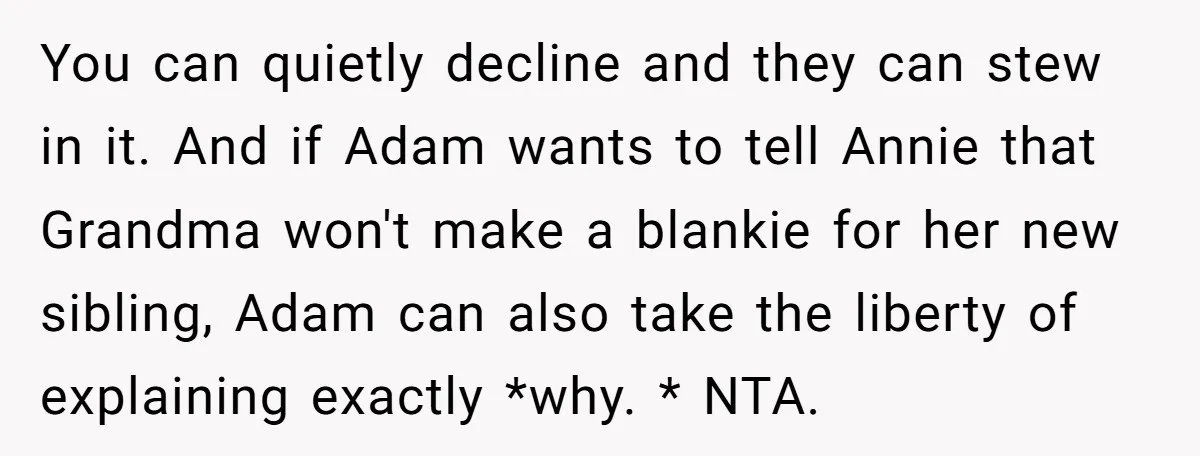
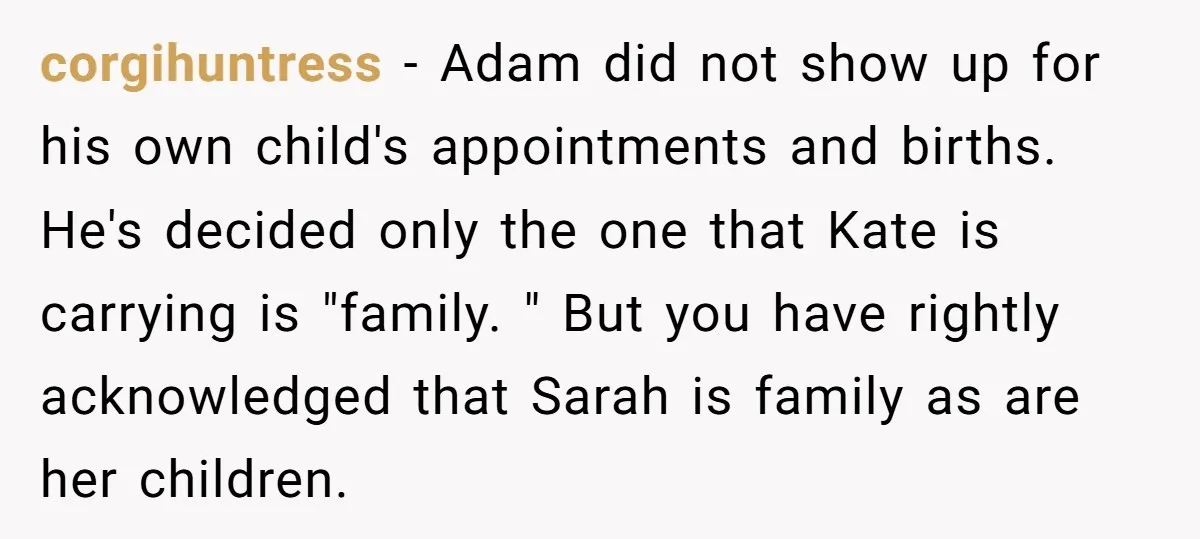
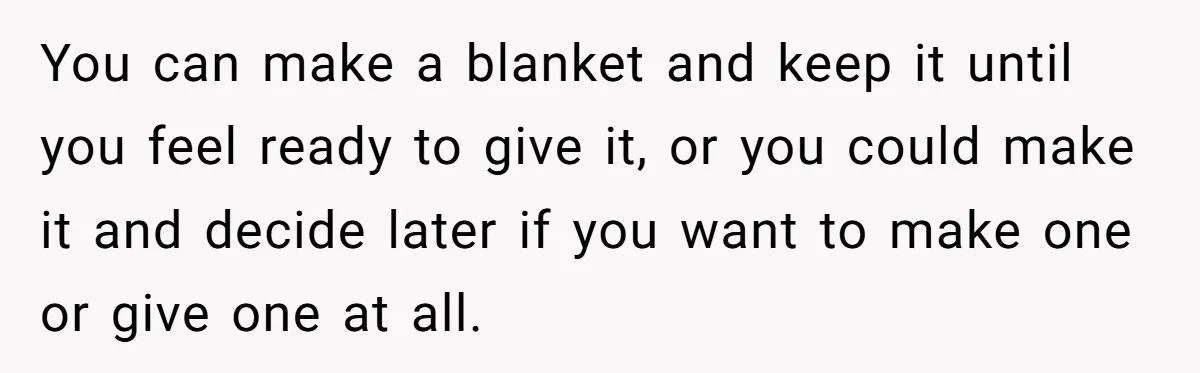
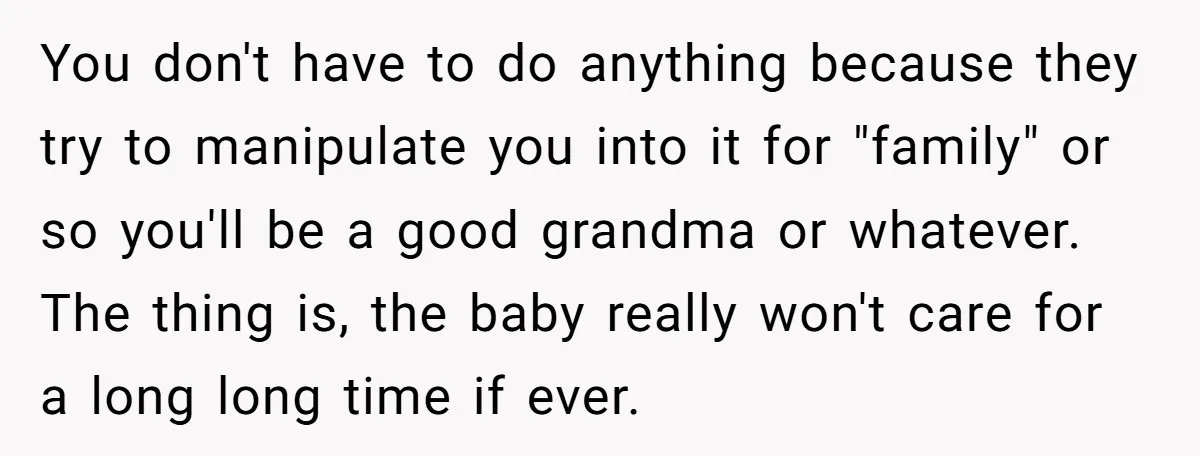
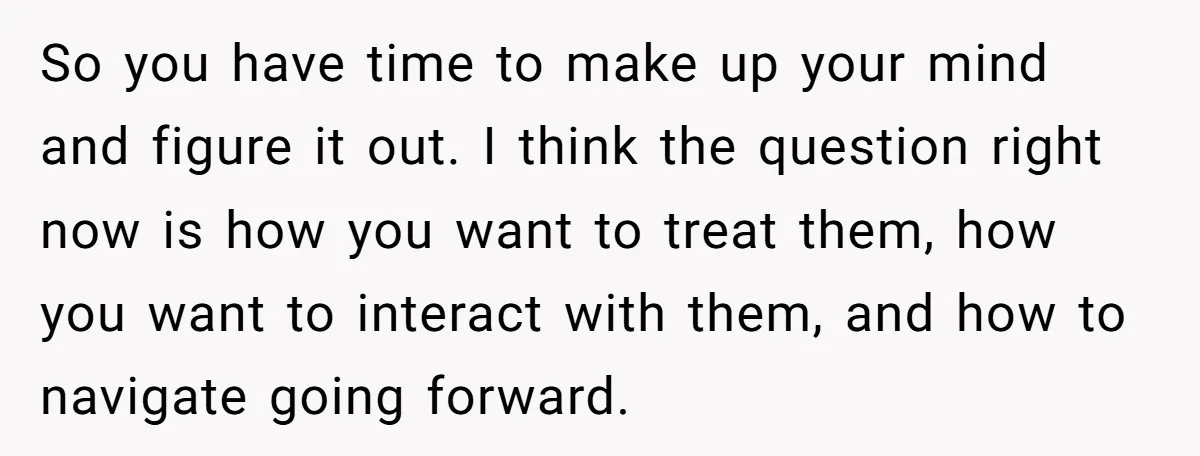
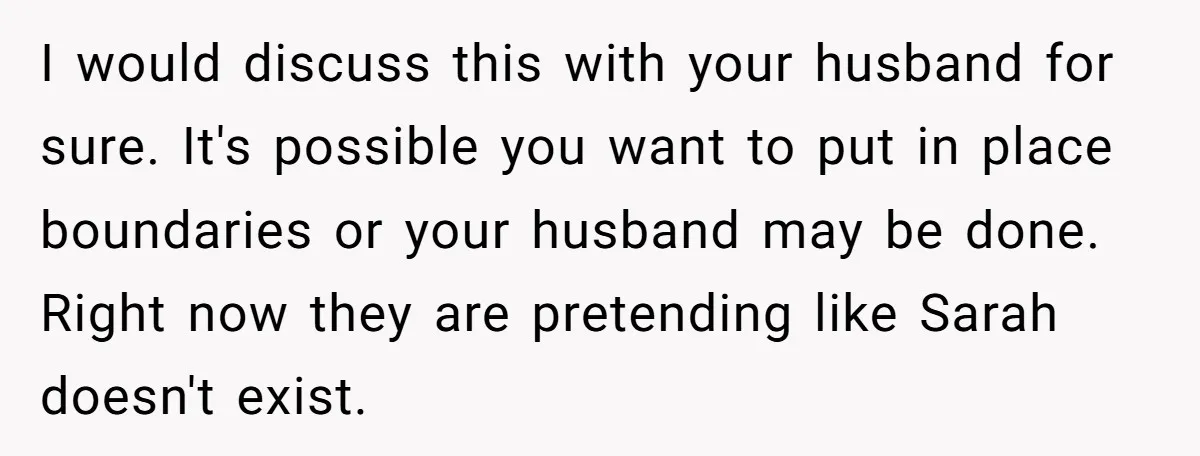
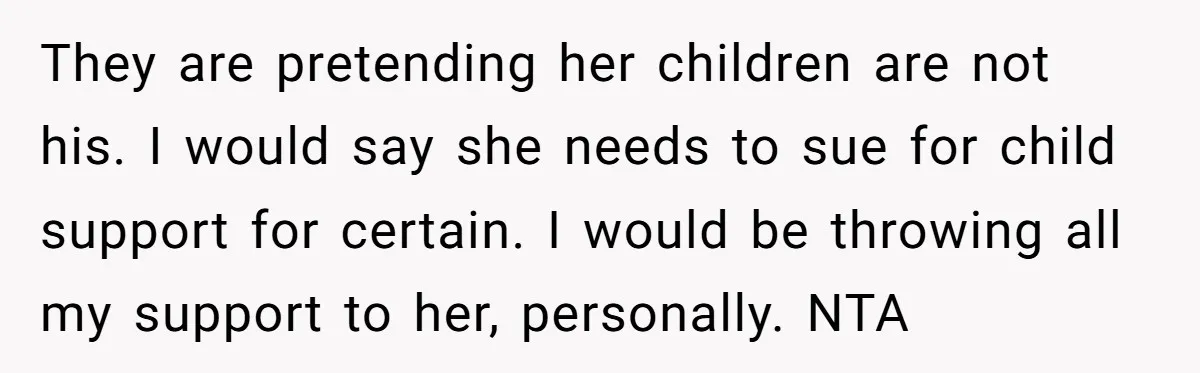
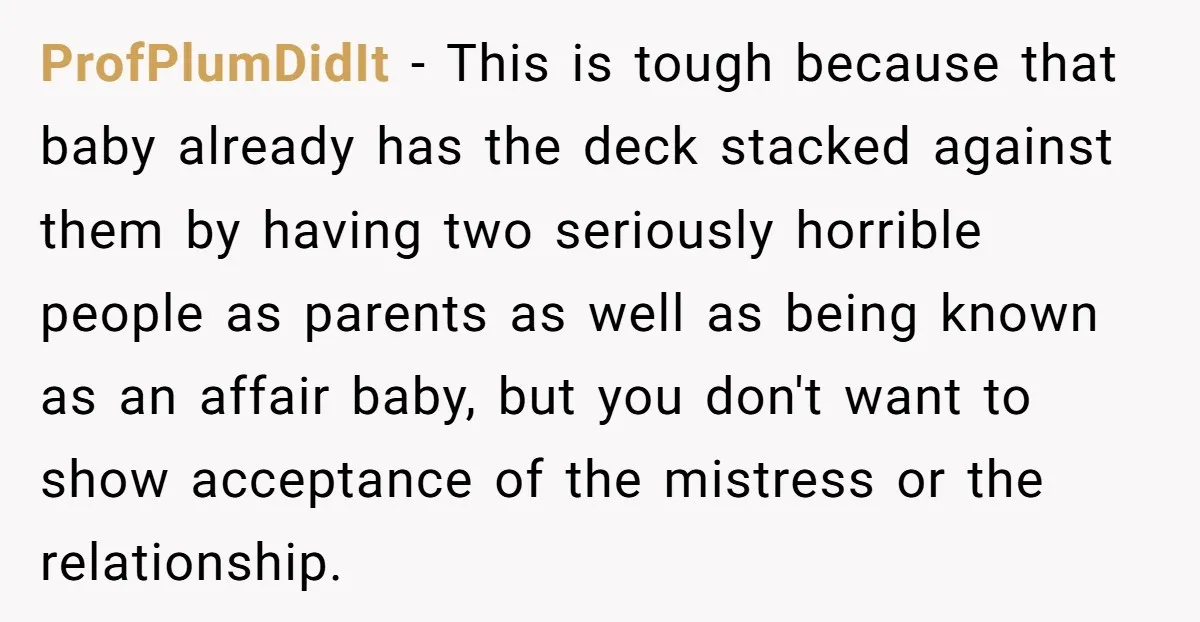
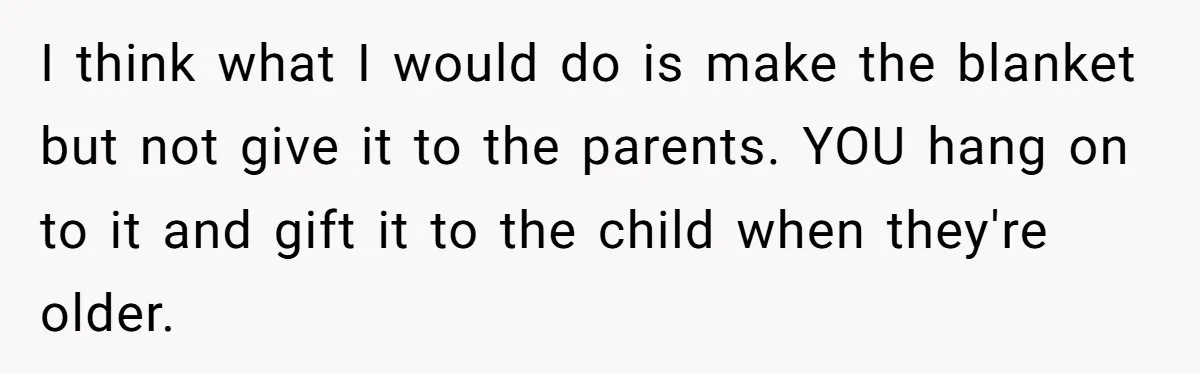
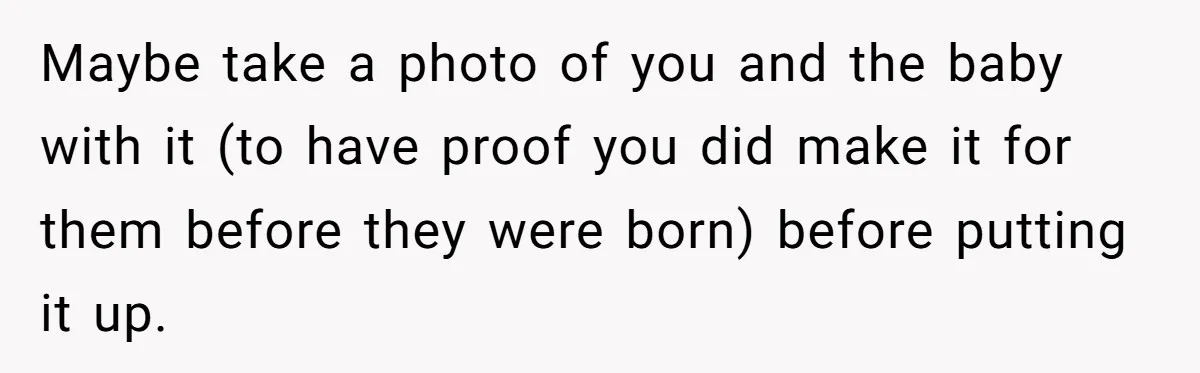
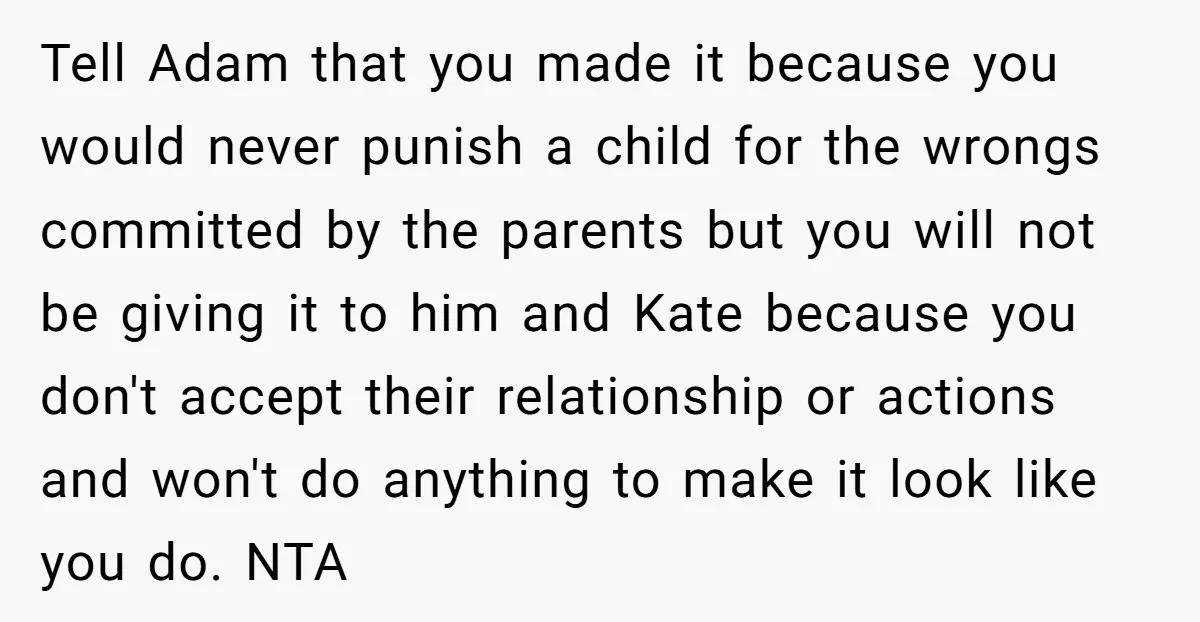
Others emphasized consequences and suggested alternatives like delayed gifting.


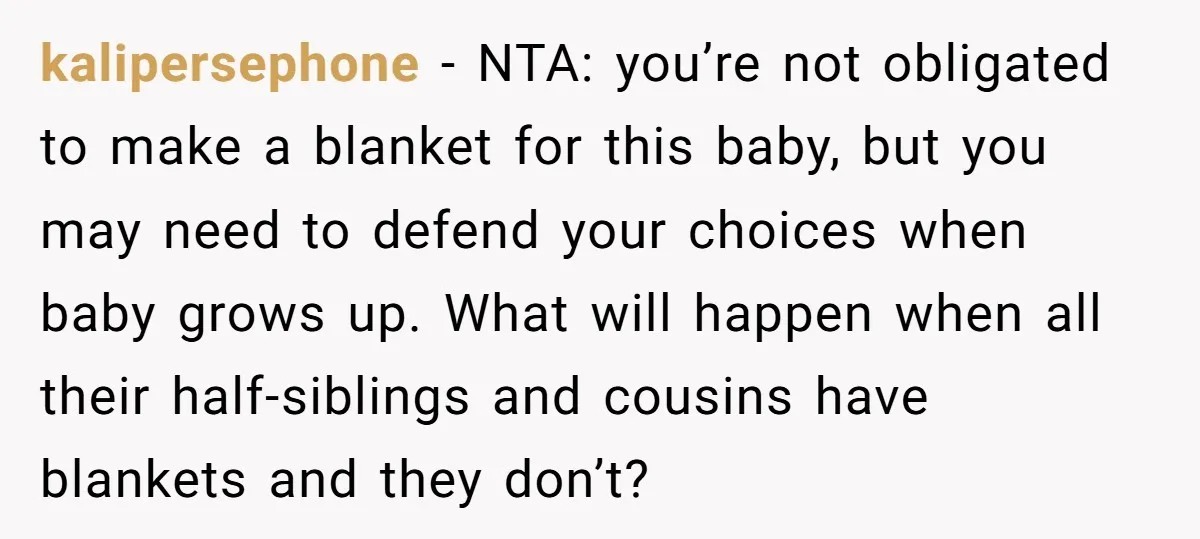
Some took a harder stance against supporting the affair.


This story reveals how deeply personal traditions can become battlegrounds when family values are tested. The grandmother’s refusal protects her principles and supports the betrayed party, but it also risks long-term effects on relationships — especially for the children caught in the middle.
The innocent baby deserves love, yet the parents’ actions carry weight. It reminds us that forgiveness and inclusion take time, and boundaries matter. Have you ever had to choose between family tradition and standing against wrongdoing? How would you balance support for the child with disapproval of the parents?