
Long-distance bus rides are rarely comfortable, but most passengers simply try to endure them until they reach their destination. Still, it only takes one person to turn an already exhausting trip into a memorable confrontation.
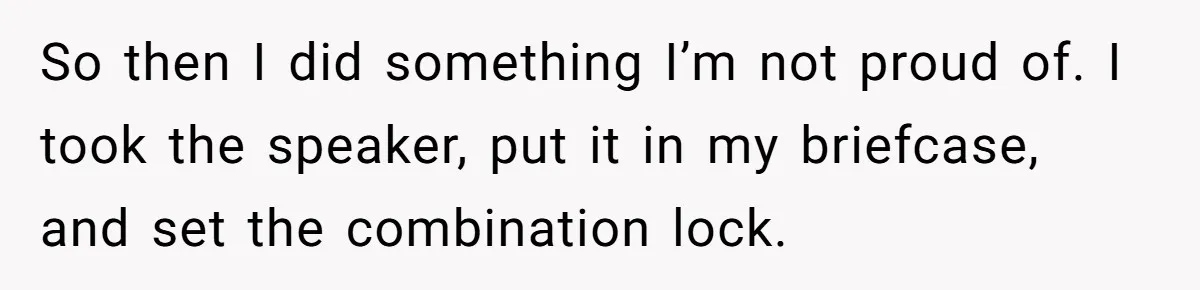
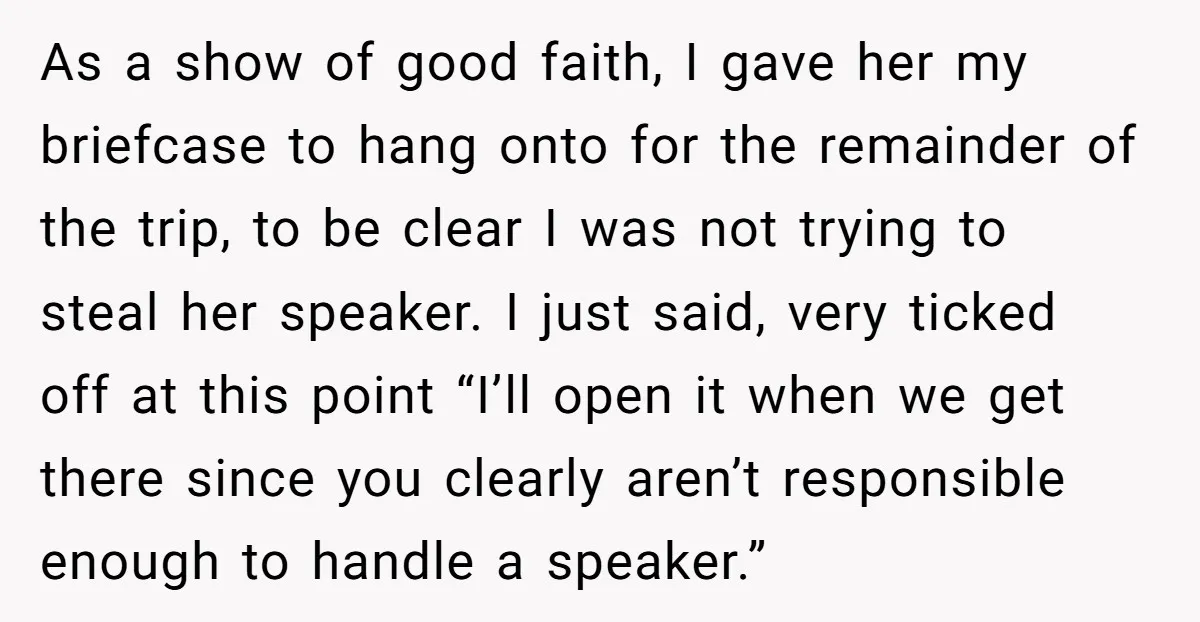
That’s exactly what happened during a roughly five-hour bus ride. One passenger was quietly working and hoping to get some sleep before arriving when another traveler began blasting music from a portable speaker. At first, he assumed it was accidental and that she’d turn it off shortly. Instead, the music kept playing, filling the entire bus while irritated passengers exchanged eye rolls and sharp looks. Eventually, after trying to resolve the situation politely, the frustrated traveler did something few people would dare to do—he took the speaker and locked it inside his briefcase.
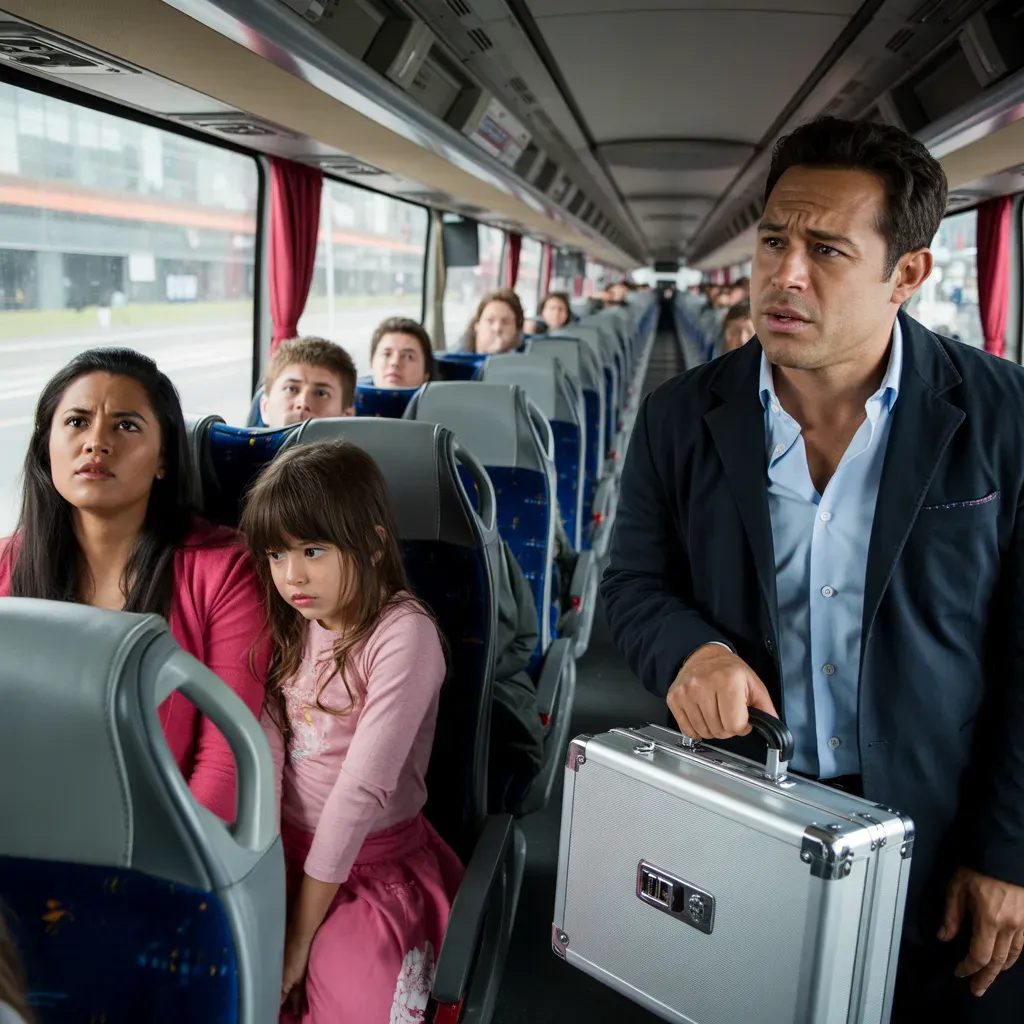
‘AITA for (temporarily) taking someone’s speaker who was playing music in a bus?’
The uncomfortable moment began halfway through a long bus ride that many passengers were simply trying to get through:
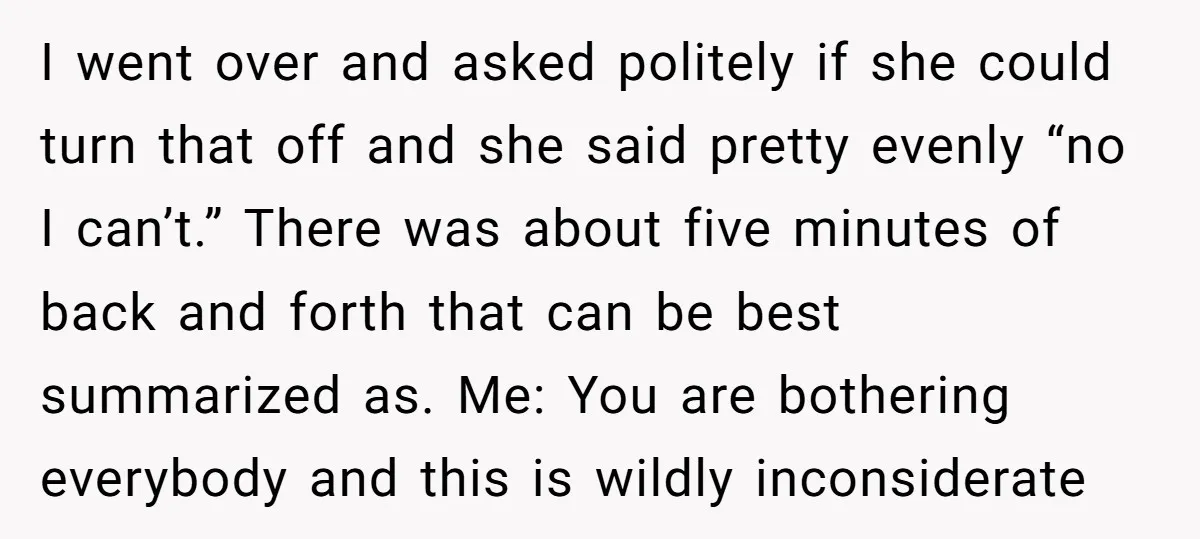
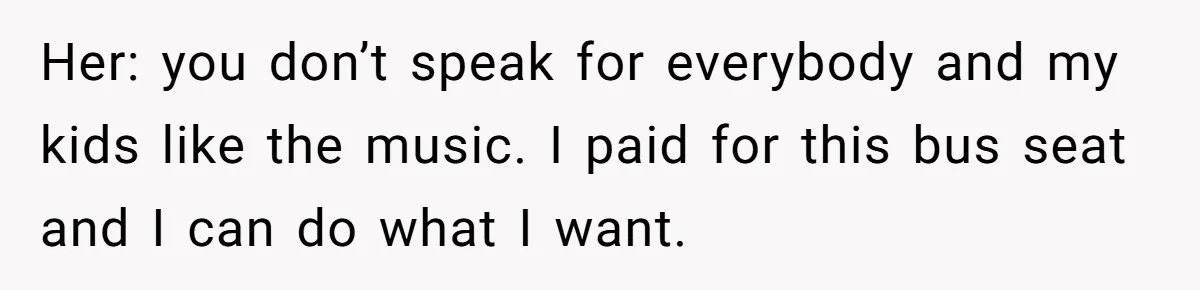
After the tension spread across the bus, the poster decided to address the woman directly:
Conflicts like this are surprisingly common in shared environments. When people occupy the same space for hours—especially somewhere as confined as a bus—differences in behavior and expectations can easily spark tension. In this case, the conflict revolves around a familiar issue: individual freedom versus consideration for everyone else.
The woman’s reasoning is something many people have heard before. She paid for her seat, so she believed she had the right to behave however she wanted. Yet public etiquette usually operates on an unspoken understanding that personal actions shouldn’t disrupt others. Loud audio in a confined setting is a classic example of behavior that can quickly irritate an entire group.
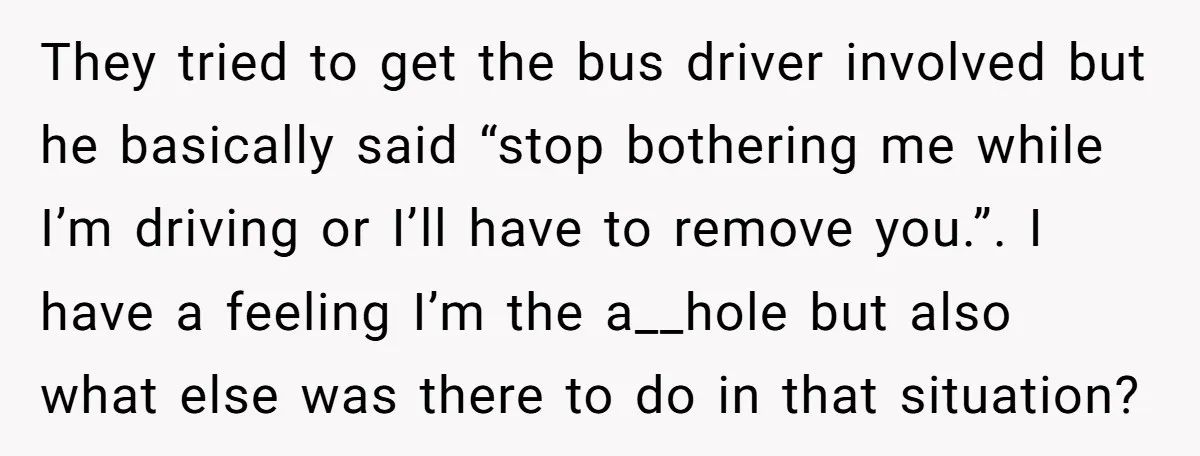
At the same time, the poster’s response raises another question: how far is too far when dealing with inconsiderate behavior? Temporarily taking someone else’s property—even with the intention of returning it later—can still be viewed as crossing a line. Situations like this often escalate because people feel powerless to control the environment around them.
Sound expert Dr. Julian Treasure explains this dynamic clearly: “Noise is a major cause of stress in shared environments because people feel they have no control over it.” When individuals feel trapped in a situation where they cannot escape or change what’s happening, frustration can build quickly and lead to impulsive decisions.
Ideally, disputes in public settings should be handled by staff or authorities responsible for the space. However, that isn’t always practical. In this story, the bus driver was focused on driving and unwilling to intervene, leaving passengers with limited options.
Ultimately, stories like this highlight a simple but important social rule: shared spaces function best when people remain aware of those around them. When that awareness disappears, even small actions—like playing music out loud—can turn into surprisingly heated conflicts.
Here’s what people had to say to OP:
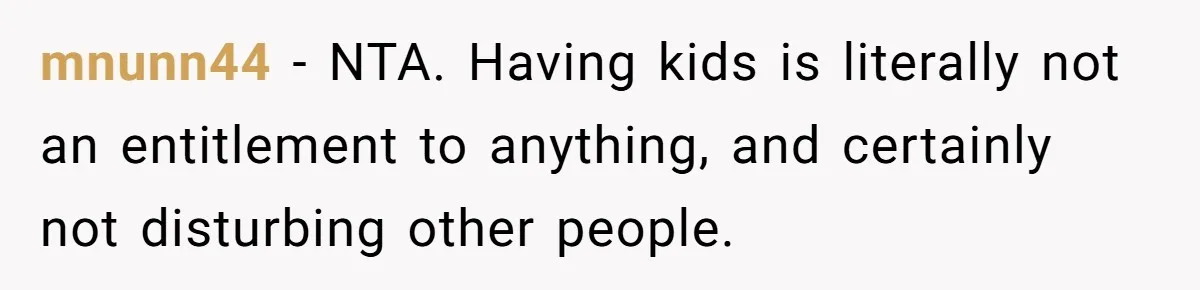
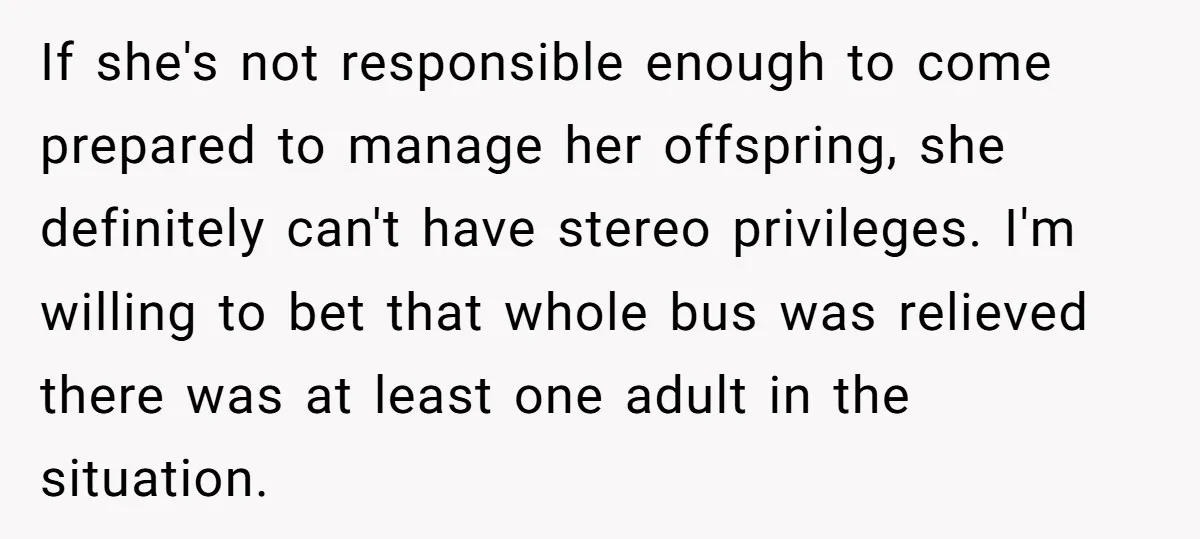
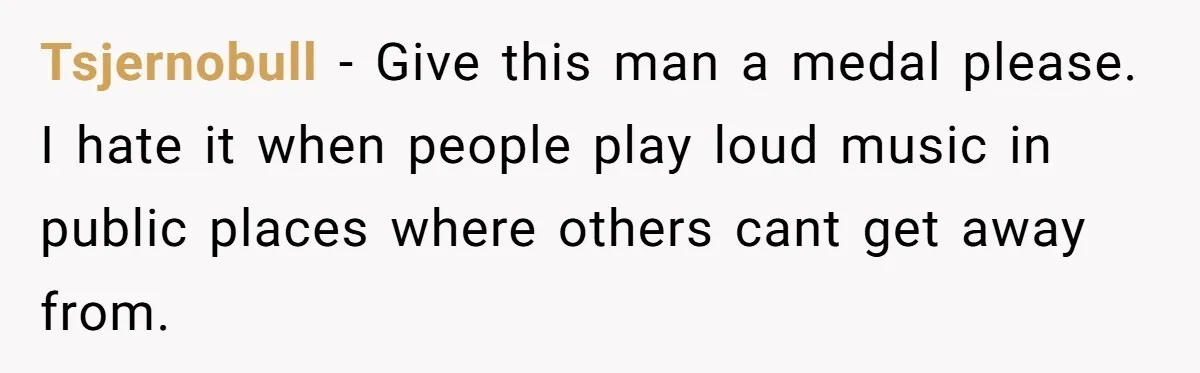
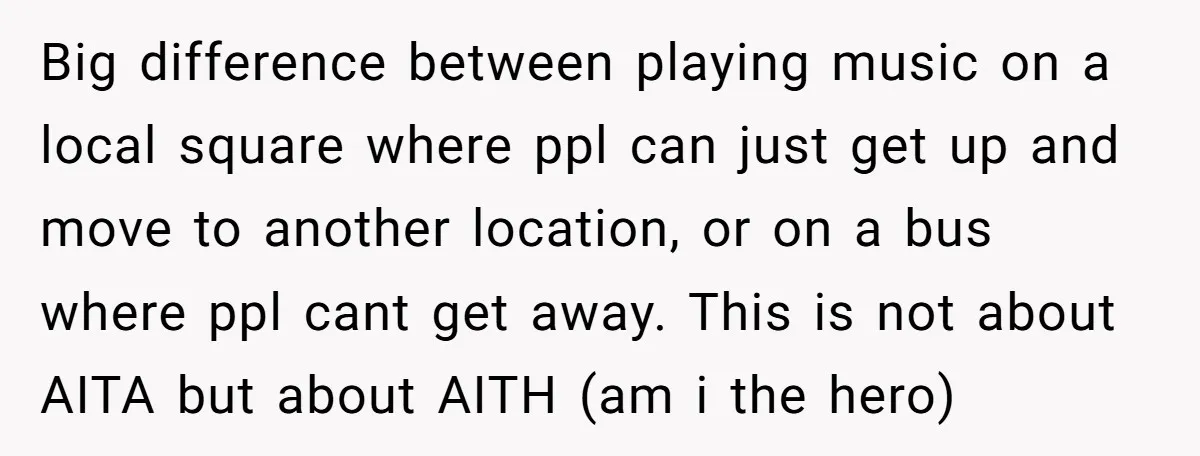
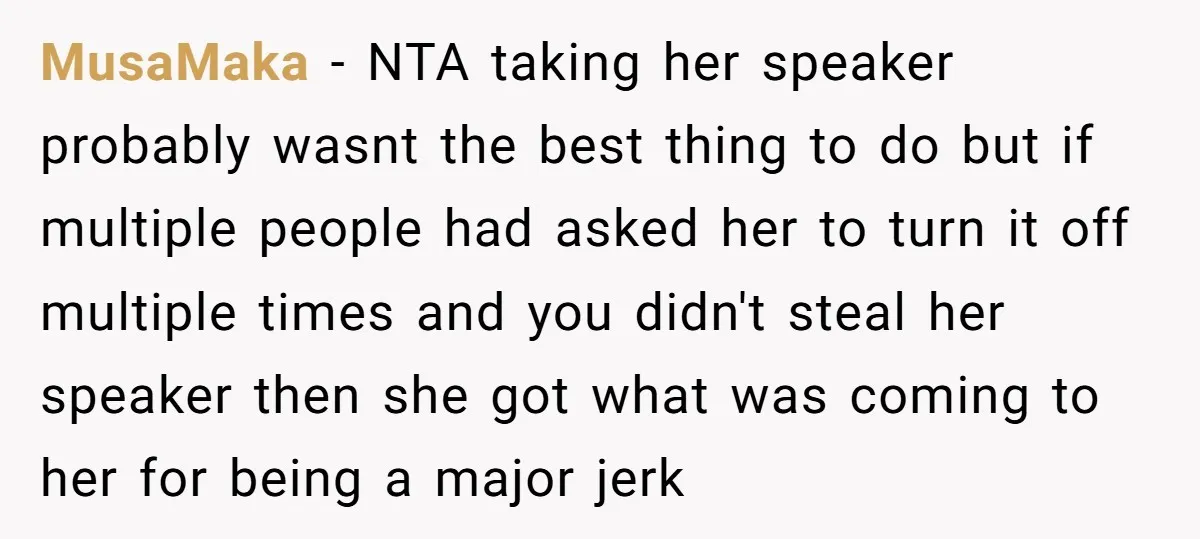
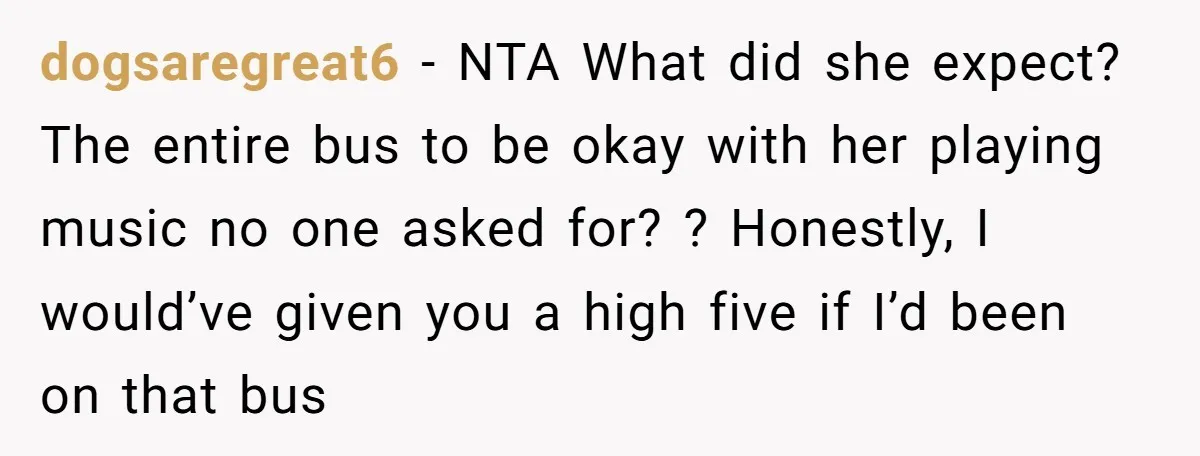
Once the story spread online, many people quickly sided with the passenger who locked the speaker away, saying they’d probably feel the same frustration:



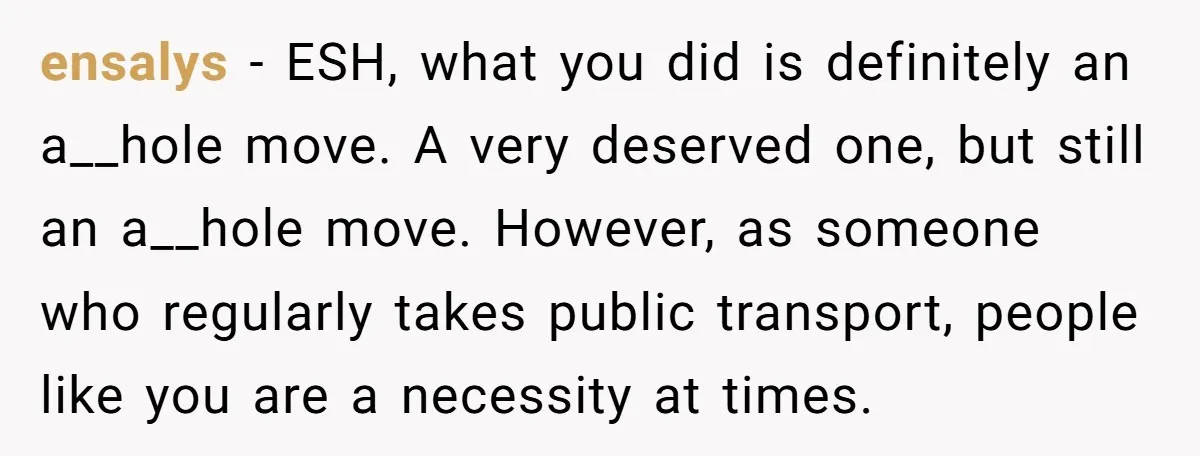
Others acknowledged the frustration but still felt the response crossed a line:

And, of course, a number of commenters treated the whole situation with humor, practically crowning the poster an accidental hero:

![[Reddit User] − ESH but I'd be glad if you were on my bus](https://loknam.com/aita/images/4745e530c4/wp-editor-1772764447736-4.webp)
![[Reddit User] − Well played sir](https://loknam.com/aita/images/4745e530c4/wp-editor-1772764449734-5.webp)
![[Reddit User] − NTA I've noticed people do this. It is the RUDEST f__king thing on earth. You asked politely if she'd turn it off. She refused - she can...](https://loknam.com/aita/images/4745e530c4/wp-editor-1772764455474-9.webp)
At its core, this story revolves around a situation many travelers know all too well being stuck in a shared space with someone whose behavior affects everyone else. One person believed she had every right to play music on a speaker, while another simply wanted a peaceful ride.
The decision to lock the speaker away clearly divided opinions. Some saw it as a bold move that restored peace to the entire bus, while others argued that taking someone’s property—even temporarily—went too far. What do you think? If you had been on that bus, whose side would you take?