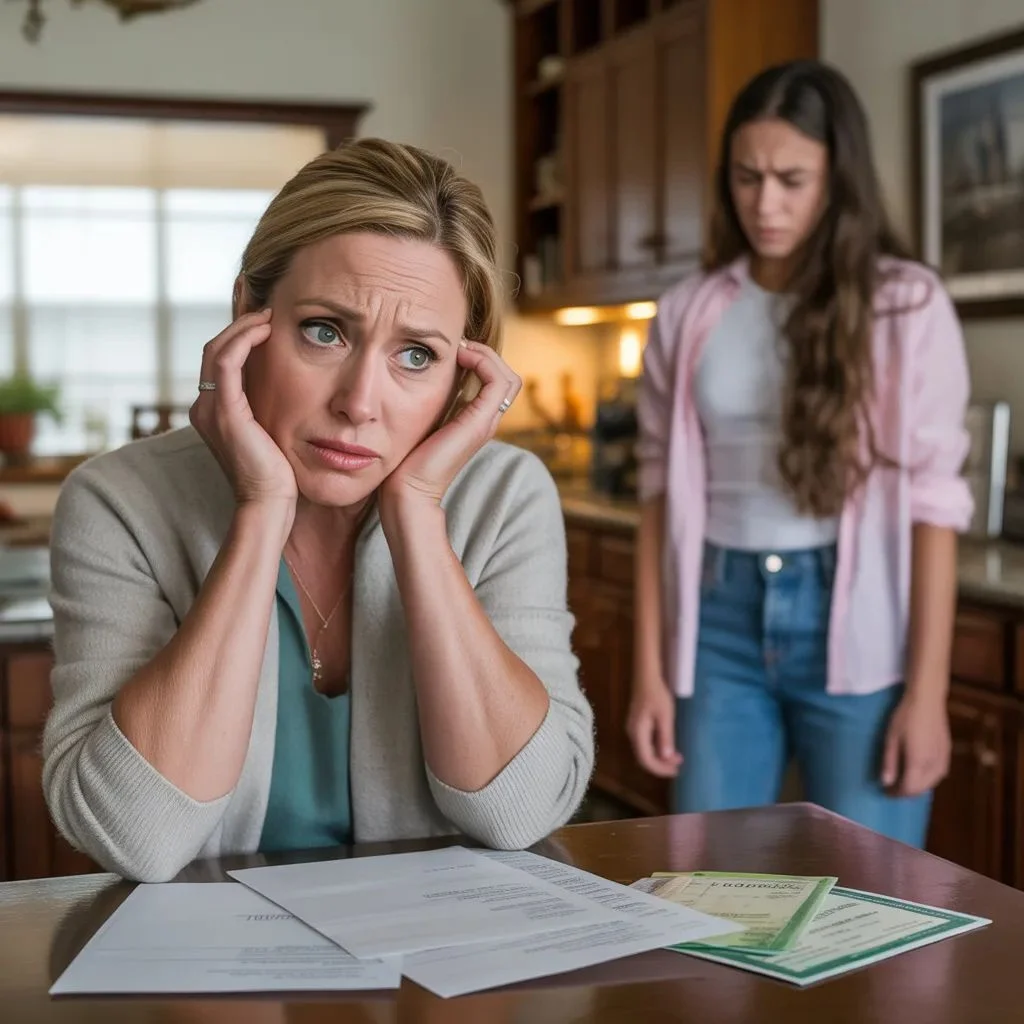
A 30-year-old new mother shared her struggle with a hurtful nickname her husband keeps using after her difficult postpartum recovery. Married for three years with a 6-month-old baby, she endured physical pain and emotional vulnerability during those early months. What she expected to be supportive teasing has instead become a repeated reminder of embarrassment and insecurity.
Her husband calls her “poop monster” — referencing bowel issues common after childbirth — and insists it’s just a joke or term of endearment. Despite her clear explanations that it damages her self-esteem, he dismisses her feelings by saying she shouldn’t take it personally. An additional incident of him secretly arranging a professional bathroom cleaning only deepened her sense of shame. She is now looking for advice on setting emotional boundaries, explaining the real harm in such “jokes,” and feeling truly respected during this sensitive time.

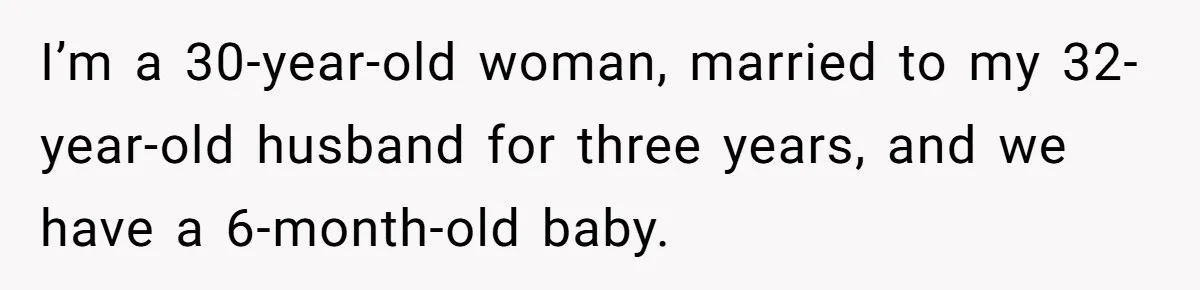
‘I’m a 30-year-old woman, married to my 32-year-old husband for three years, and we have a 6-month-old baby.’
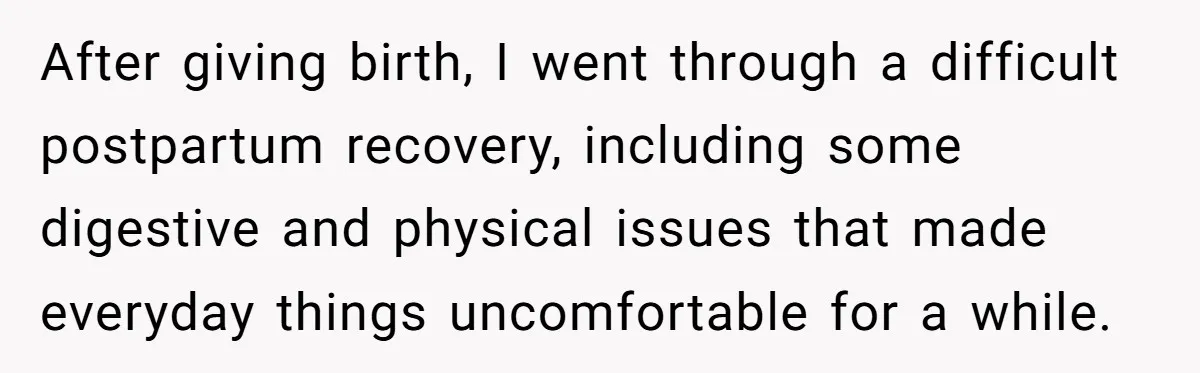
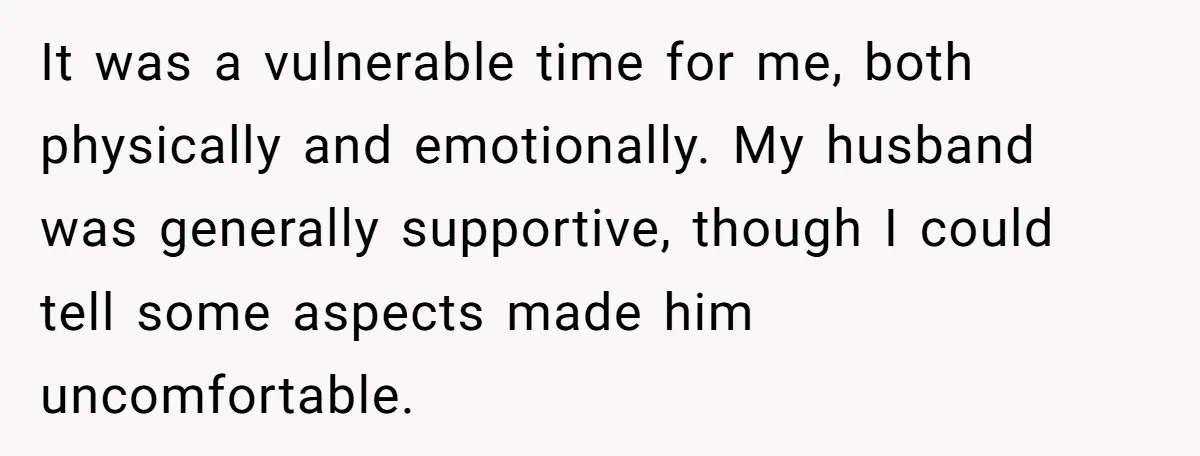
It all started during a challenging postpartum recovery filled with physical and emotional discomfort.
The nickname appeared months later and quickly became a source of ongoing pain.
The hurt grew when her requests were ignored and another incident added to the shame.
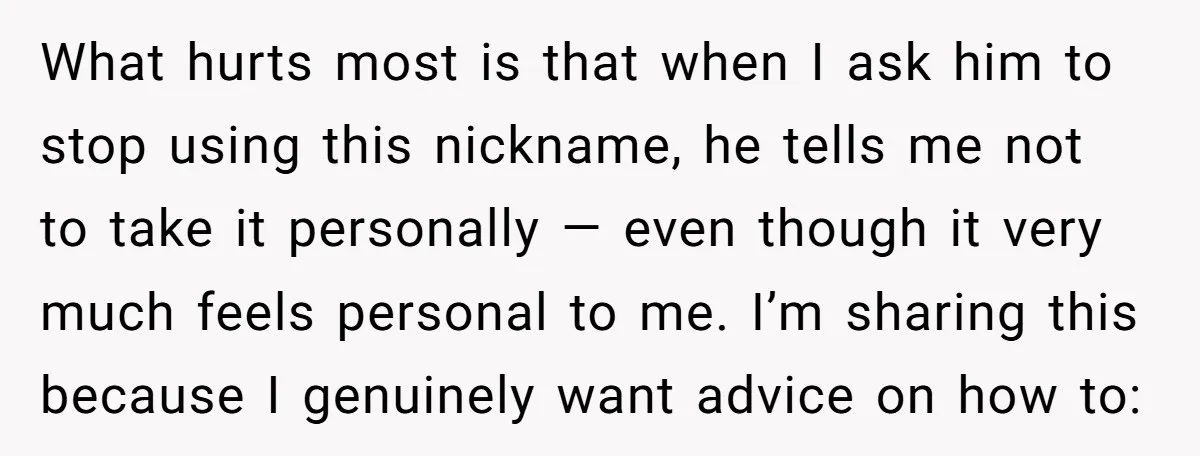
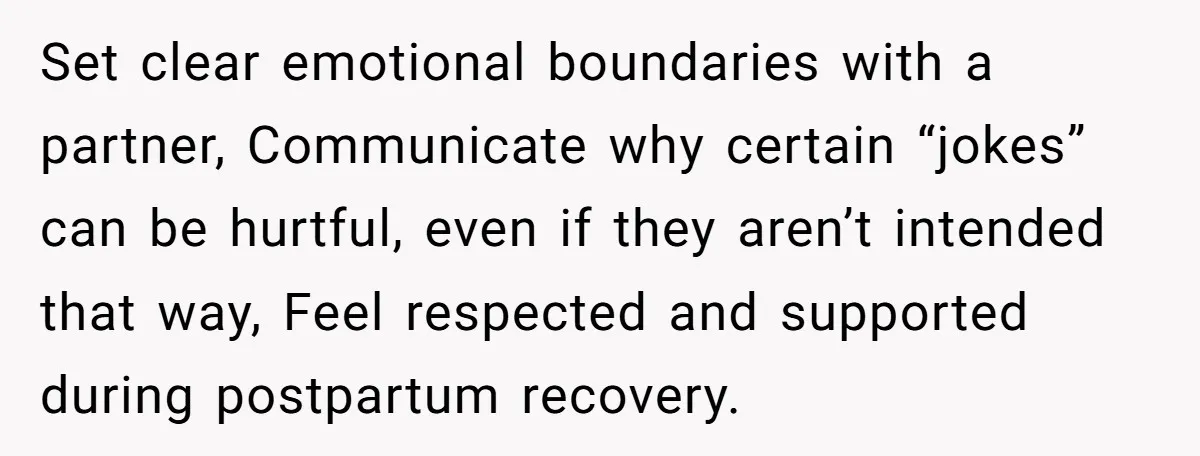
At its core, the issue is the husband’s refusal to drop a nickname that directly references a private, embarrassing, and painful part of his wife’s recovery from childbirth. Bowel difficulties after delivery are nearly universal — caused by hormones, pain meds, stitches, or fear of pushing — yet they trigger deep shame for many women already facing body changes, fatigue, and identity shifts. When she repeatedly asks him to stop and he continues while claiming “it’s not personal,” it crosses from playful teasing into emotional disregard.
The secret bathroom cleaning further reinforces the message that her normal bodily functions are something unclean to be hidden, rather than accepted as part of the shared parenting experience. Genuine support requires listening, validating pain, and changing behavior when it causes harm. Some might defend the husband by saying nicknames are just couple banter, a way to normalize “gross” realities, or that he’s simply bad at handling heavy emotions and defaults to jokes.
They could argue she’s being overly sensitive during a stressful time. However, once a partner clearly states that something hurts and the behavior persists, intent no longer excuses impact. Healthy marriages adapt when one person is wounded, especially during vulnerable periods like new motherhood.
On a wider level, this reflects how society often trivializes women’s postpartum struggles — treating them as punchlines or something to “get over” quickly — while partners are rarely held accountable for their role in providing emotional safety. Educating both spouses about the physical and psychological realities of recovery, encouraging couples counseling when needed, and practicing small daily acts of respect can prevent these small hurts from becoming lasting resentment.
Check out how the community responded:
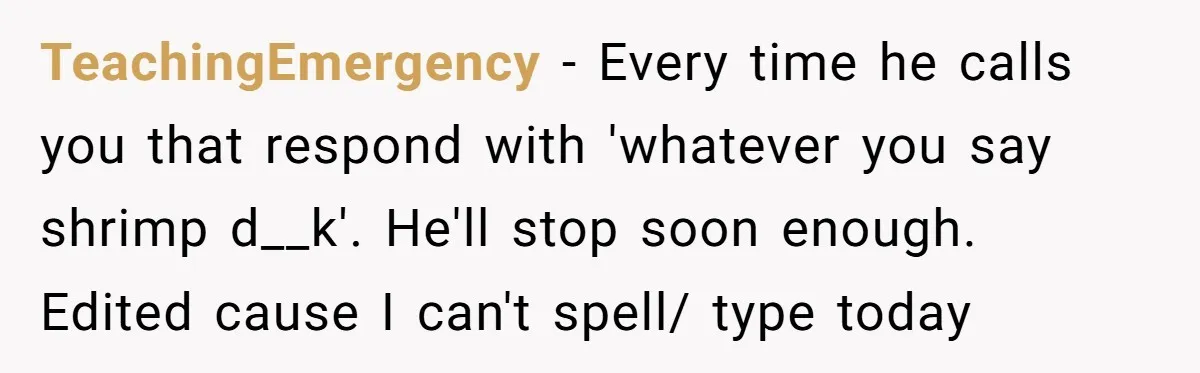
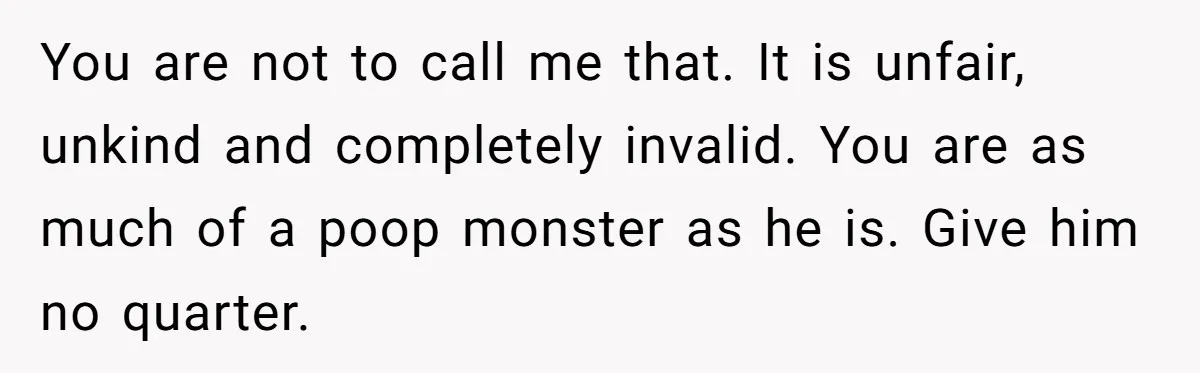
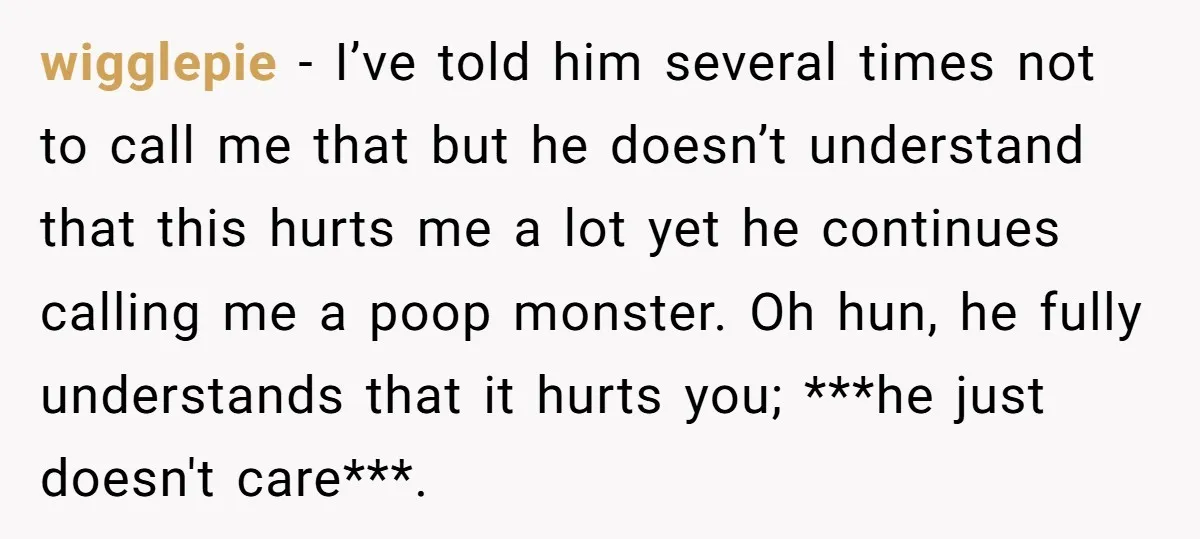
Many readers strongly sided with the poster, praising her for speaking up and condemning the husband’s lack of empathy during her healing process.
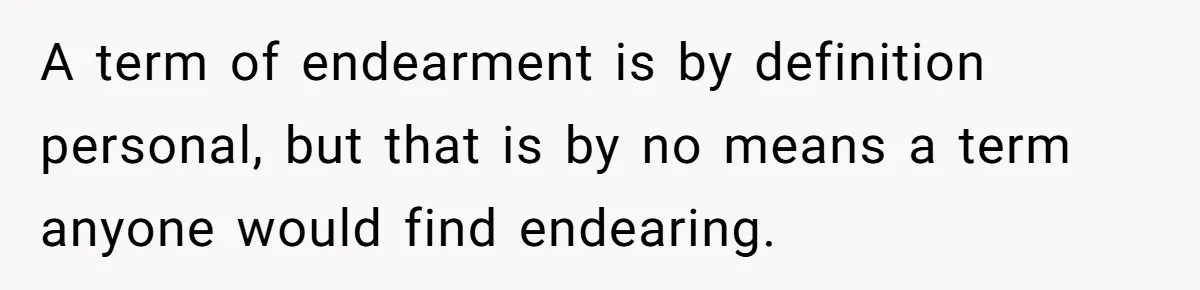
![[Reddit User] − My ex husband used to make up hurtful nicknames to embarrass me. After countless conversations, I decided getting even was worth a try and boy did it...](https://loknam.com/aita/images/a98cba50a3/wp-editor-1768354800349-1.webp)
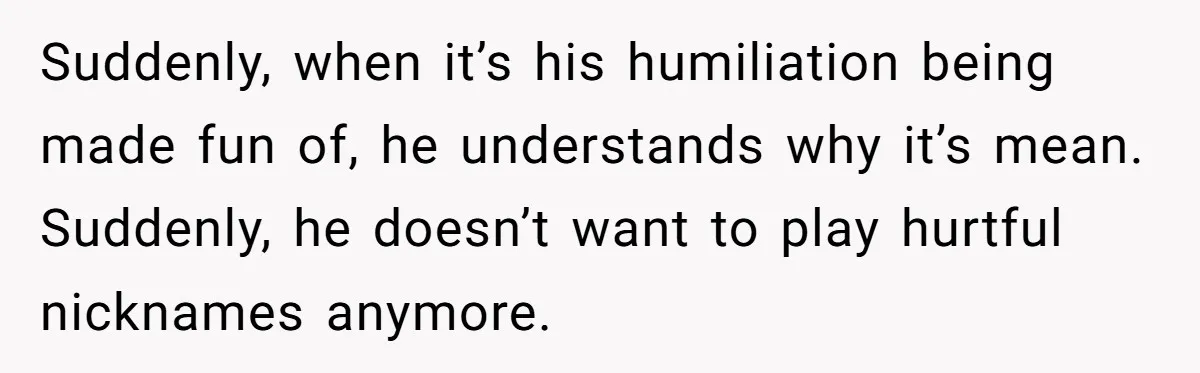
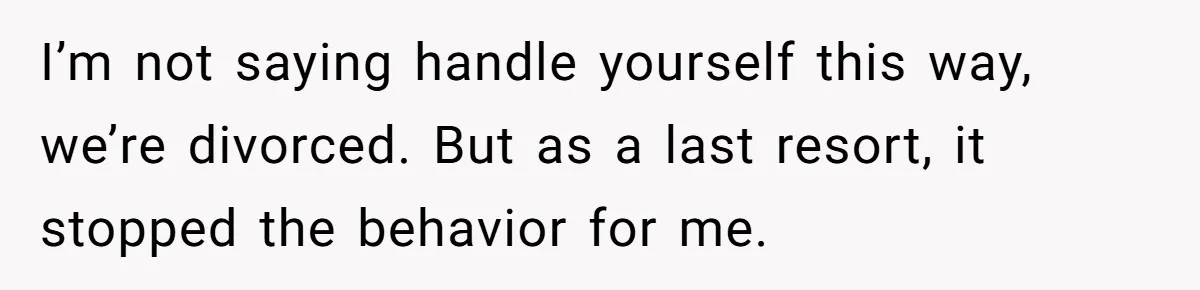
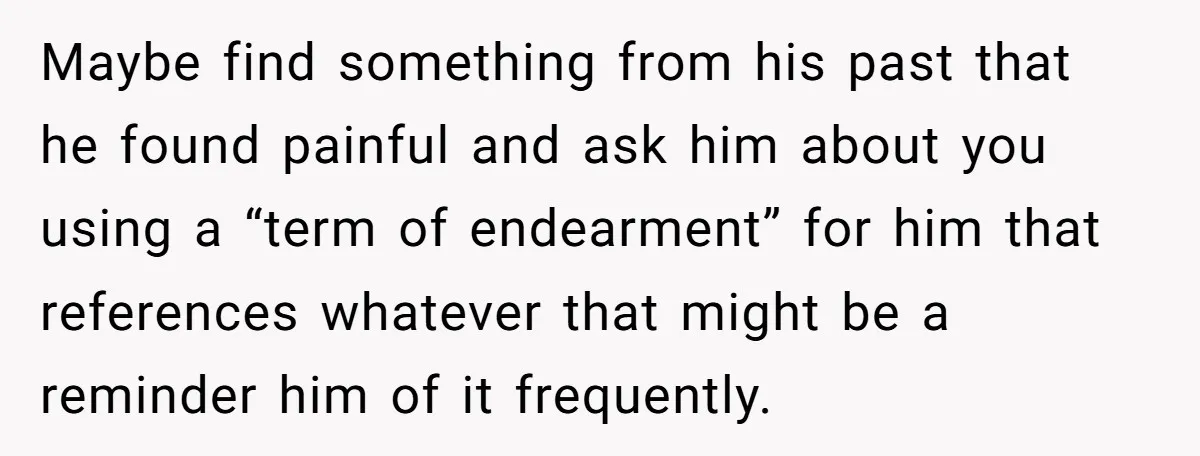
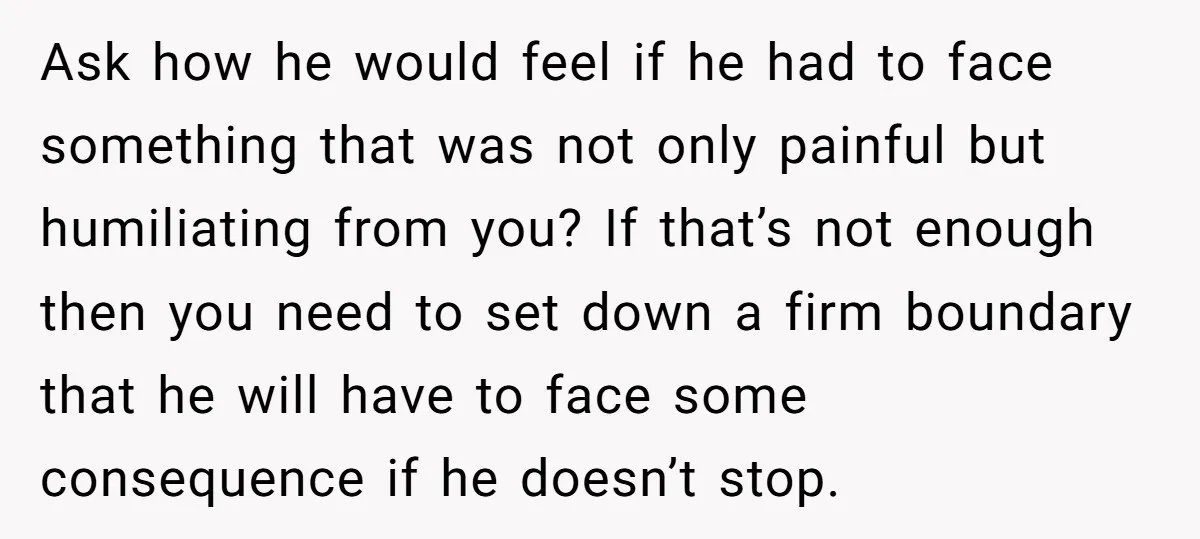
![[Reddit User] − You gotta go harsh. Explain in no uncertain terms is going to call you that. It crosses the line. No more don't answer to it and if...](https://loknam.com/aita/images/a98cba50a3/wp-editor-1768354805227-5.webp)
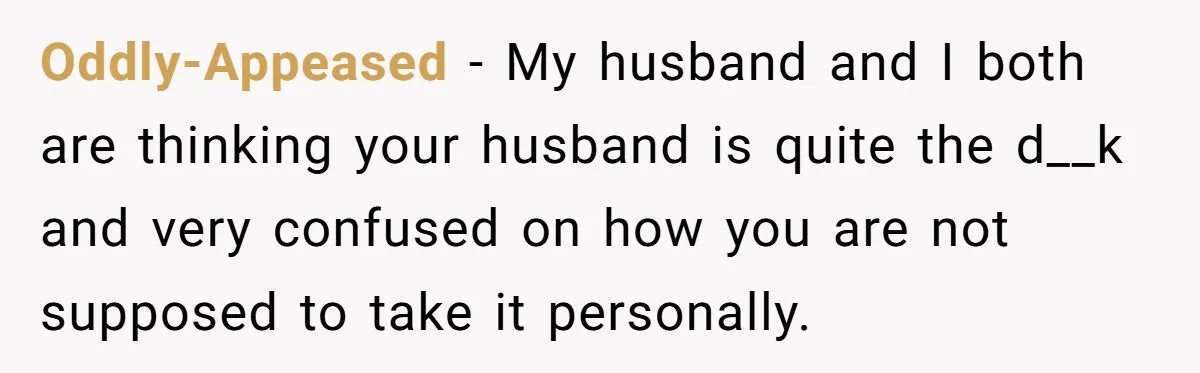
A few commenters offered more balanced views, recognizing possible good intentions while still urging the husband to change.
![[Reddit User] − Why in the hell wasn't he helping you clean every day? What a waste of space. This is going to be your entire marriage. You've married a...](https://loknam.com/aita/images/a98cba50a3/wp-editor-1768354867132-1.webp)
![[Reddit User] − Ugh. Men need to try passing a bowling ball through their urethra and THEN complain about women's inability to control their bowels after giving birth.](https://loknam.com/aita/images/a98cba50a3/wp-editor-1768354868230-2.webp)

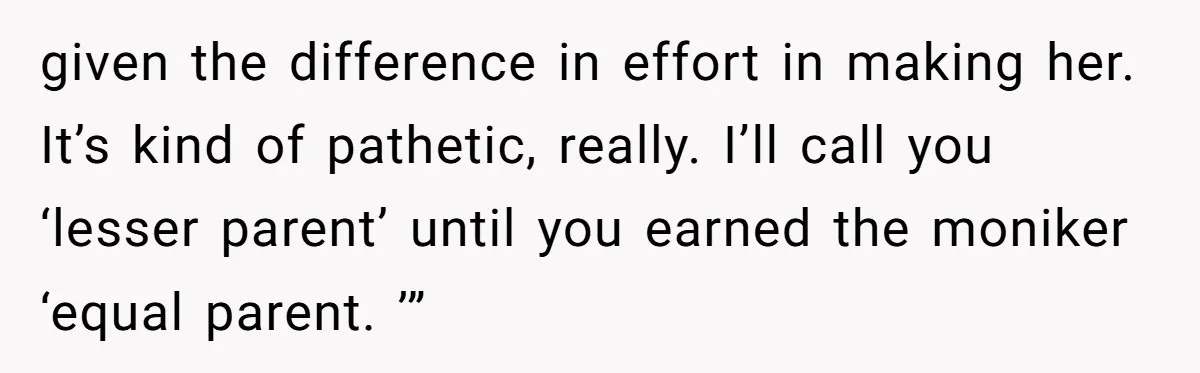
![[Reddit User] − I would just say something like…. “You didn’t make this baby. I did. I don’t even know how you consider yourself an equal parent,](https://loknam.com/aita/images/a98cba50a3/wp-editor-1768354871234-4.webp)
Some replies brought humor to lighten the mood without being cruel.
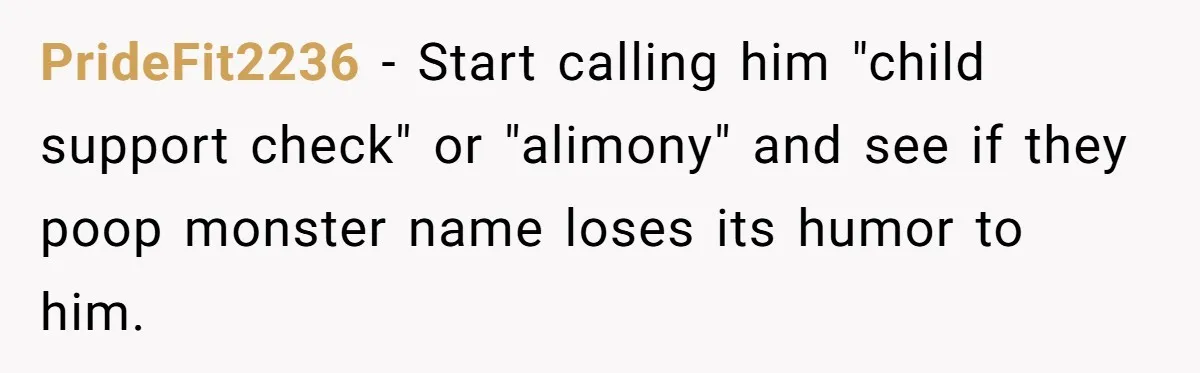
![[Reddit User] − How in the actual f__k are you not to take this personally? ??? It’s a garbage name he made up for YOU- doesn’t get much more personal🤦🏻♀️🤬...](https://loknam.com/aita/images/a98cba50a3/wp-editor-1768354889503-2.webp)
This situation shows how easily a partner’s attempt at humor can wound during one of life’s most vulnerable chapters. What starts as a “joke” tied to bodily changes after childbirth can erode trust and self-worth when boundaries are ignored. The wife’s story reminds us that respect in marriage means adjusting behavior when it causes real pain, especially in the delicate postpartum months.
How do you think couples should handle “jokes” that one person finds hurtful? Have you ever had to set a firm emotional boundary with a partner after having a baby? What worked — or didn’t? Drop your thoughts and experiences in the comments!