
What happens when a forgotten item from a party turns into a demand for reimbursement? Most people would laugh off a small lost thing left behind, but sometimes one friend’s expectations create unnecessary tension.
During a Super Bowl gathering earlier this year, one woman’s friend left her earmuffs at the host’s house. Weeks passed with reminders to pick them up, yet no one came. After the items went missing during a house cleaning, the friend now insists on being paid back. The host wonders if she’s in the wrong for refusing.

‘My friend wants me to pay her back for an item she forgot at my house?’
The earmuffs were forgotten right after the party.
The situation changed when the house got cleaned.
This minor dispute reveals mismatched expectations around personal responsibility and friendship boundaries. The host offered to keep the earmuffs safe and repeatedly reminded the friend to retrieve them, yet the friend shifted the burden by expecting delivery. When the items were misplaced during routine cleaning, the demand for repayment surfaced, turning a forgetful moment into a financial claim.
The friend’s stance likely stems from a sense of entitlement or reluctance to admit fault, while the host feels frustrated after making reasonable efforts. Neither side escalated dramatically, but the core issue is accountability: who bears the cost when someone leaves belongings behind and doesn’t follow through?
Etiquette expert Lizzie Post has stated that “when guests leave items behind, the host is not obligated to deliver them or compensate for loss if reasonable notice and opportunity to collect have been given.” This principle applies here, where multiple prompts were ignored.
To resolve things, the host can respond calmly that she’ll return the earmuffs if they’re found, but reimbursement isn’t reasonable given the circumstances. A light-hearted message might preserve the friendship, or if patterns of entitlement continue, reevaluating the relationship could be wise. Clear communication prevents small issues from growing.
Check out how the community responded:
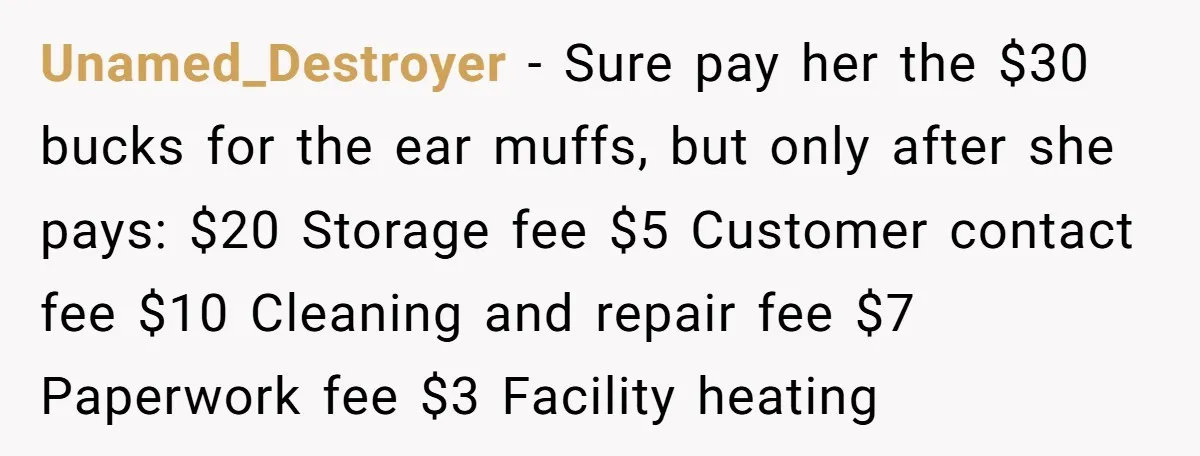
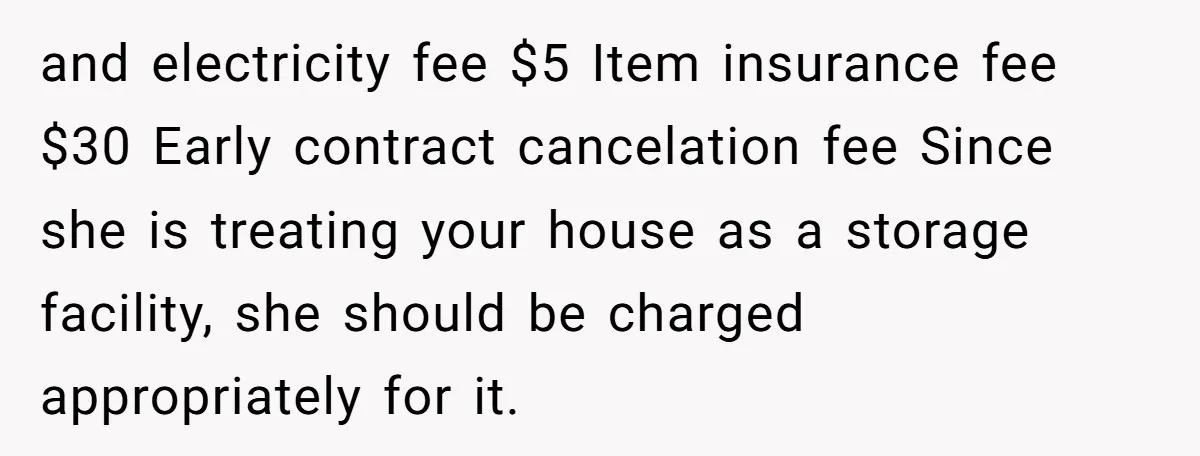
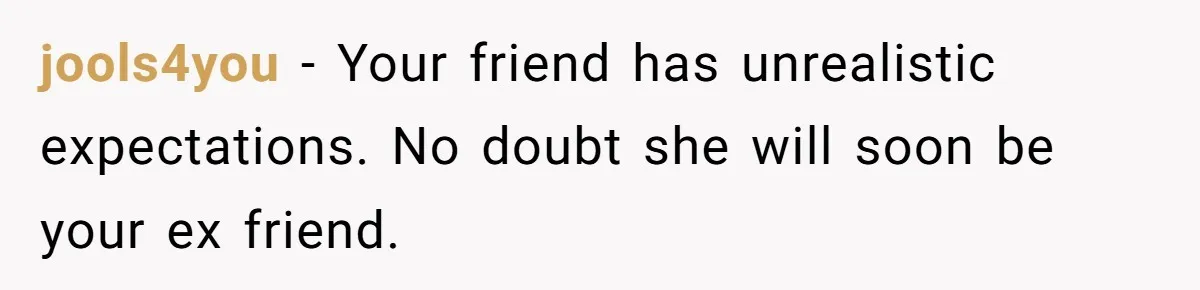
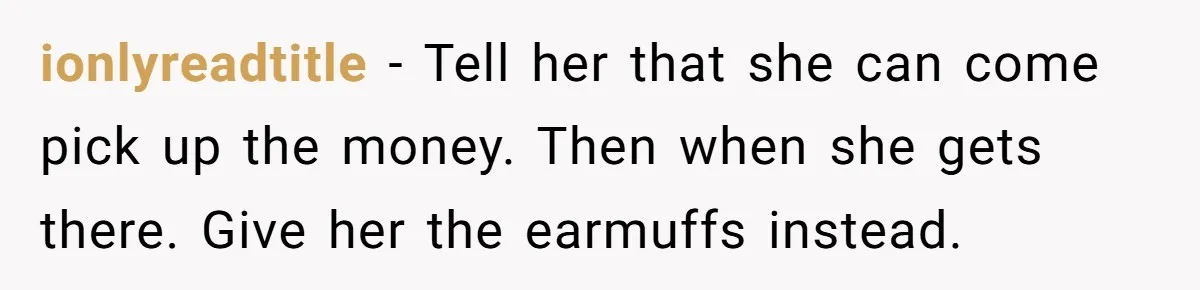
The online community sided almost unanimously with the original poster, dismissing the demand for payment as unreasonable and entitled. Commenters suggested humorous comebacks or treating the friend’s request as absurd.
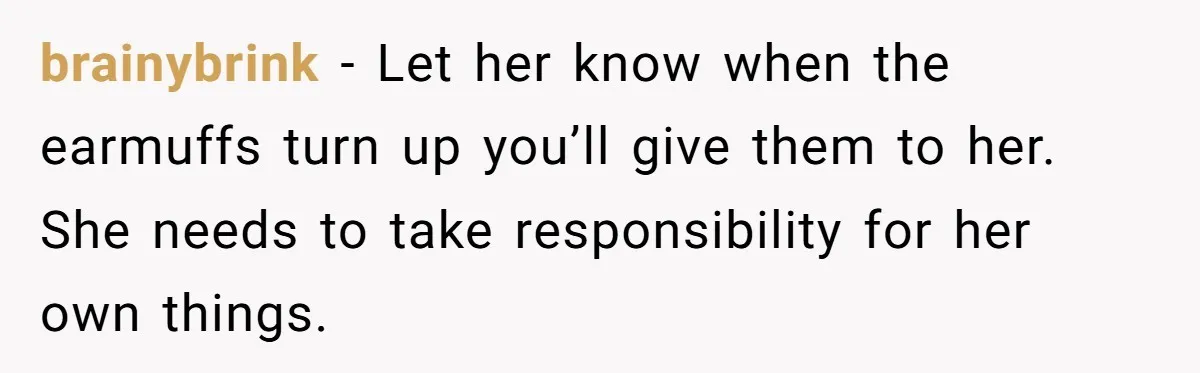
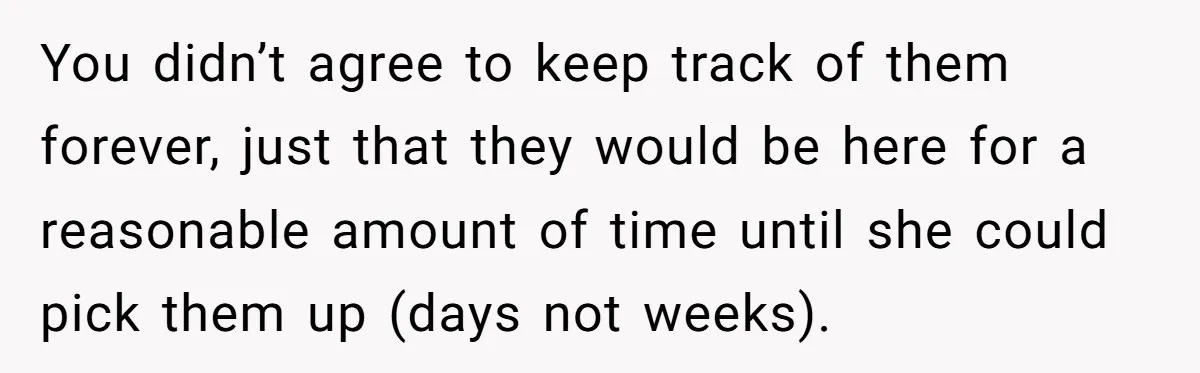
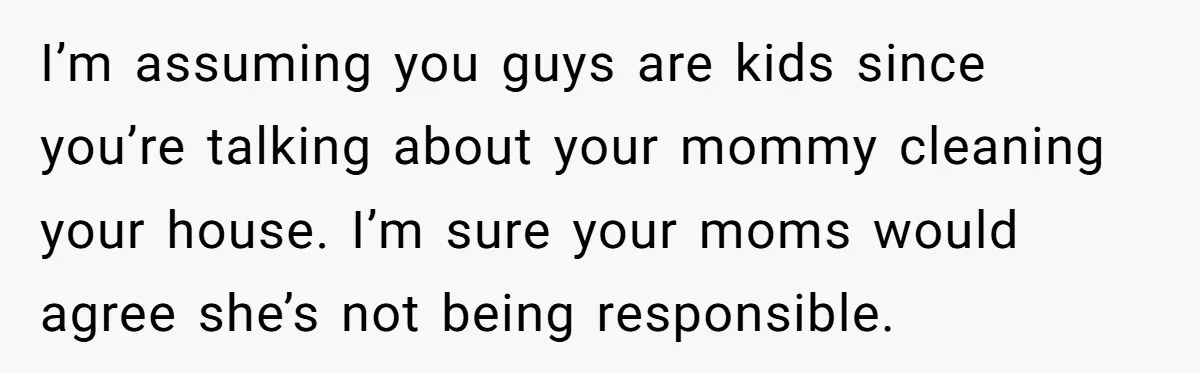
Most readers strongly rejected the idea of paying and called out the entitlement:


![[Reddit User] − Your friend is an entitled little girl. Not only do you not pay her, you don't even acknowledge the request. Rewarding ridiculous behaviour with attention only encourages...](https://loknam.com/aita/images/f21ba07d09/wp-editor-1768377243707-10.webp)
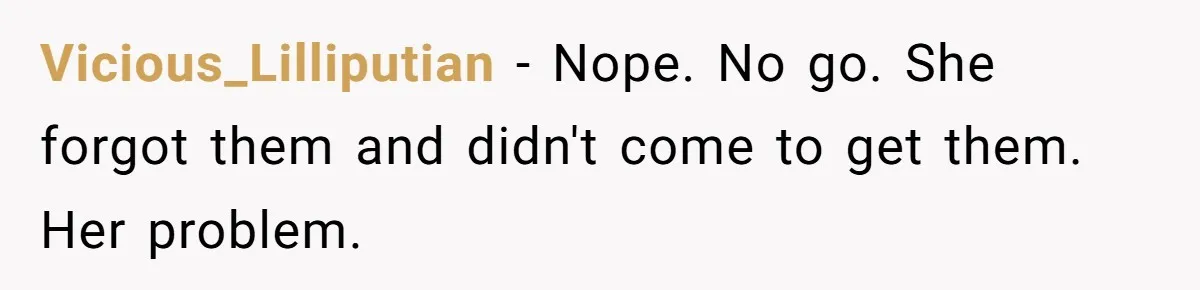
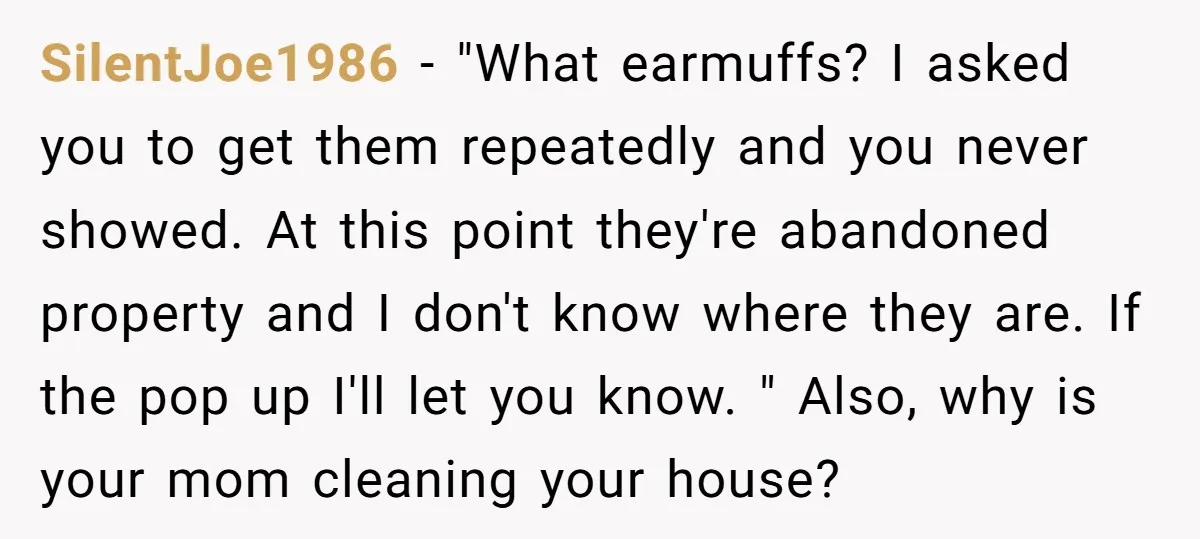
A smaller group added sarcastic or playful twists to the same supportive stance:
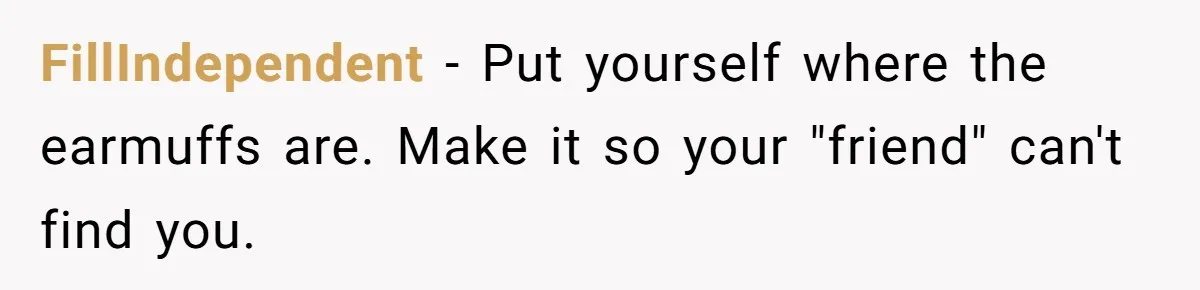
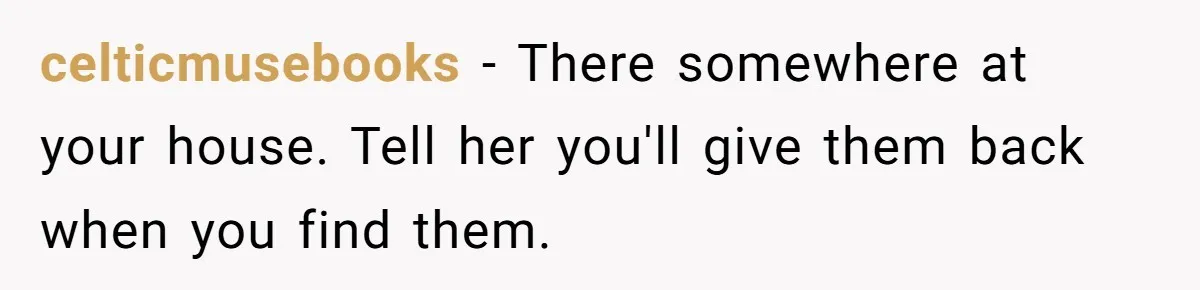



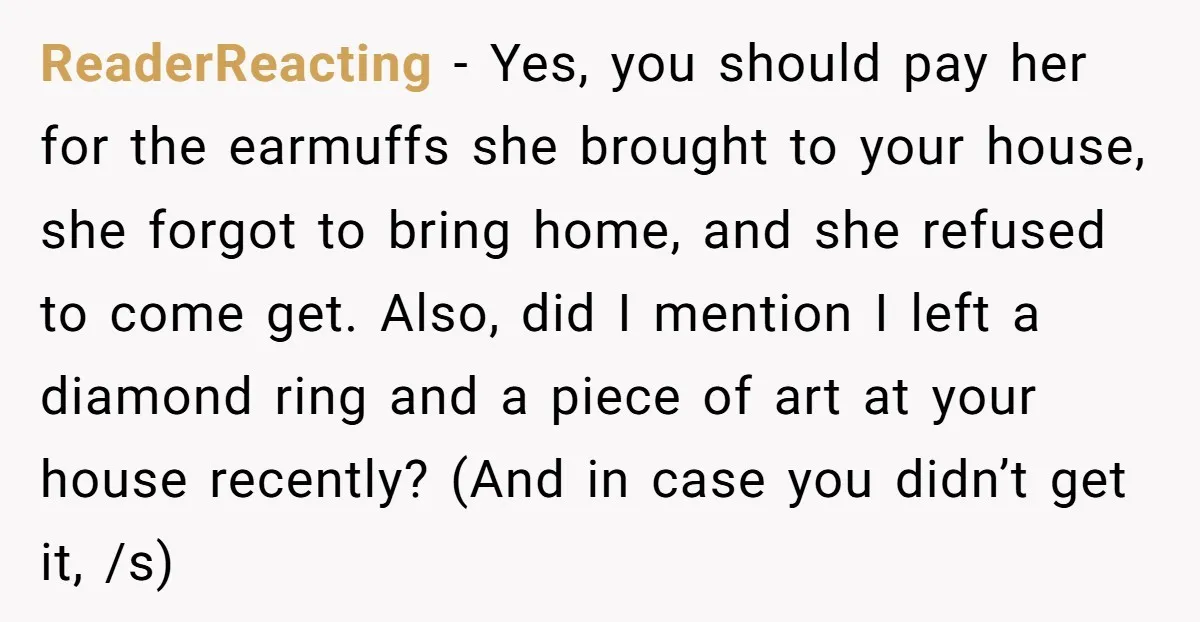
This lighthearted conflict reminds us that personal responsibility goes both ways—forgetting something is human, but expecting others to fix it indefinitely isn’t fair. Friendships work best when people communicate clearly and own their actions instead of shifting blame.
Have you ever forgotten something valuable at a friend’s house? Would you expect them to replace it if it got lost after you ignored reminders, or do you think the original owner should handle it?