
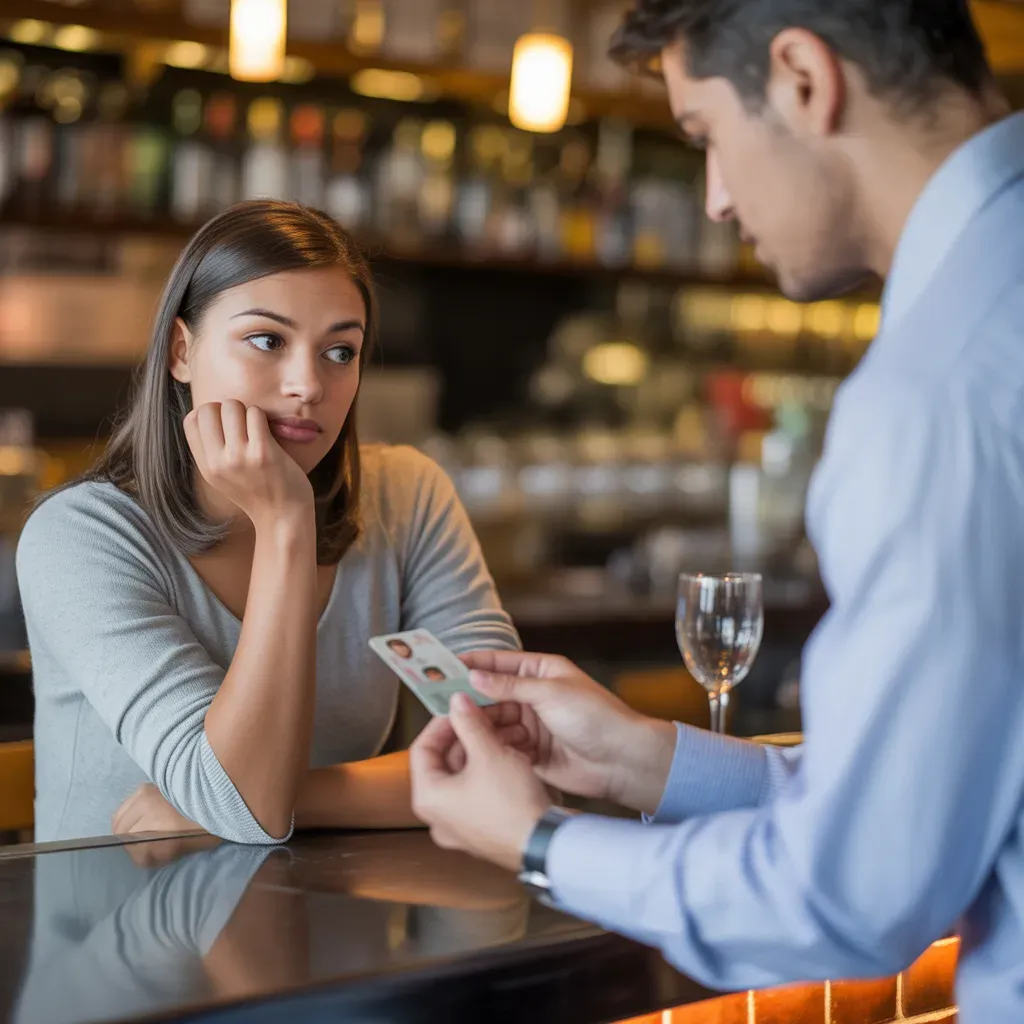
A 23-year-old woman recently found herself in an awkward situation during what was supposed to be a small treat for herself. After months of saving money and bringing meals from home, she decided to visit one of her favorite pizza spots and sit at the bar for lunch and a drink.
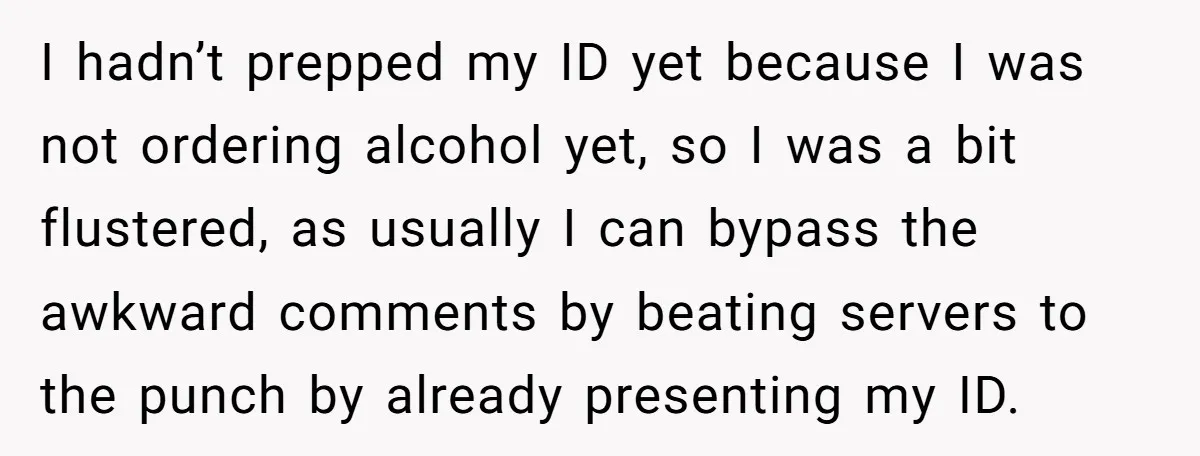
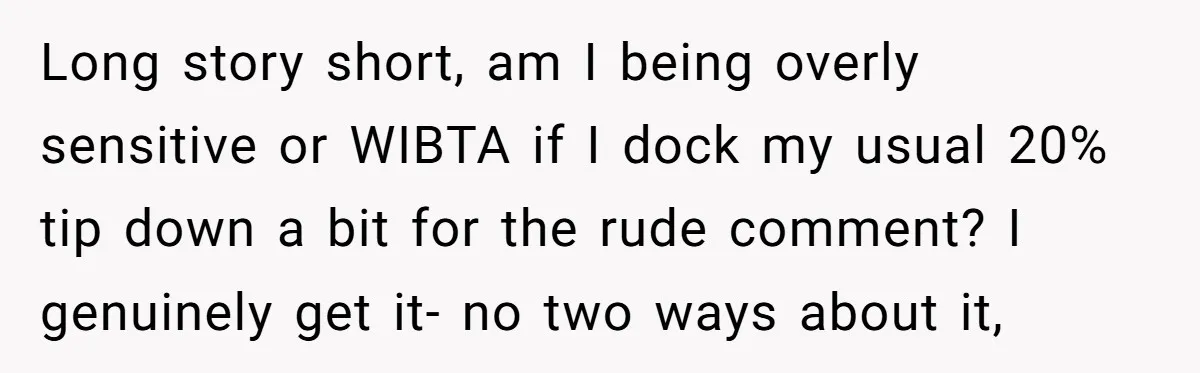
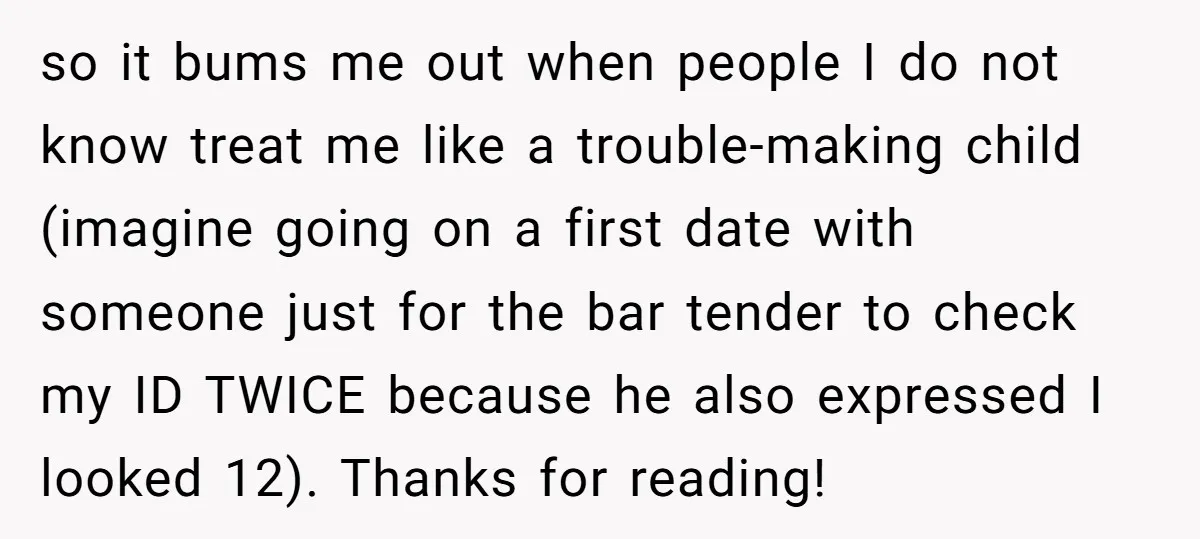
However, the visit took an uncomfortable turn when a new waitress immediately commented that she looked “like she was 12” while asking for identification. The remark left the woman embarrassed, especially because she already deals with people doubting her age regularly. Unsure how to react, she later wondered whether it would be wrong to lower the tip she usually leaves for servers because of the rude comment.
‘WIBTA for docking tip due to me “looking 12”?’
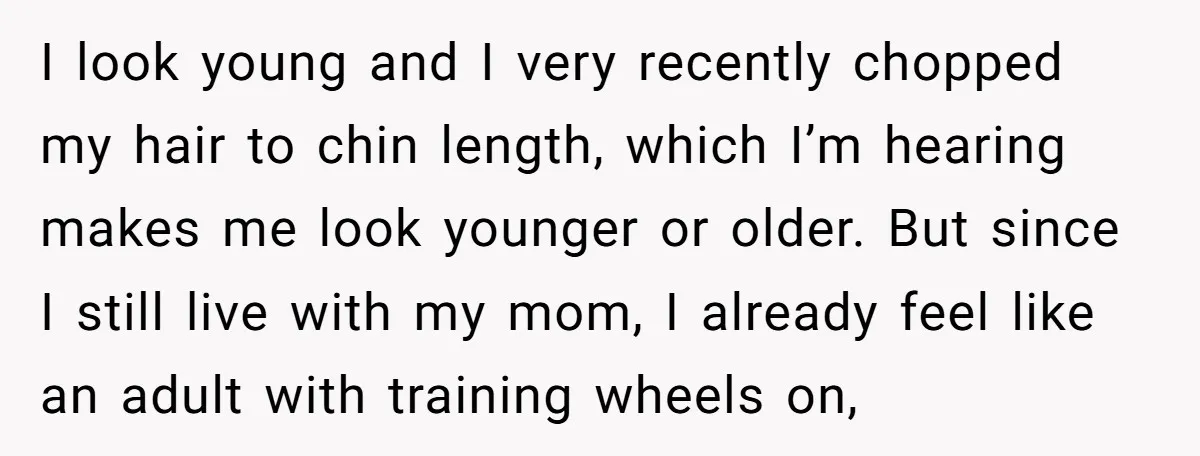
The poster began by explaining how frequently she is mistaken for being much younger.
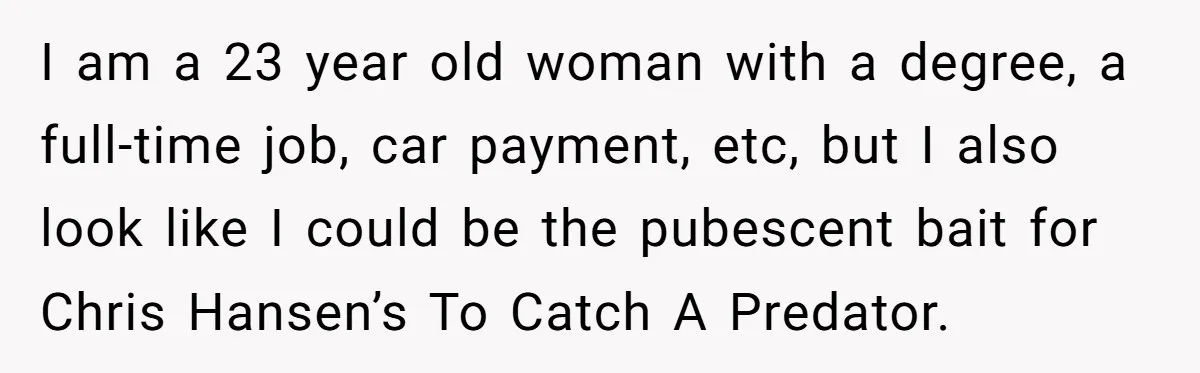
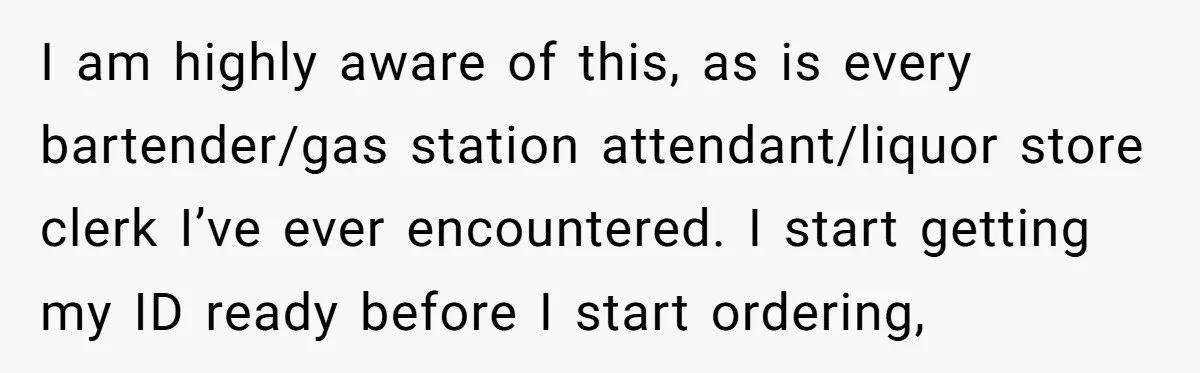
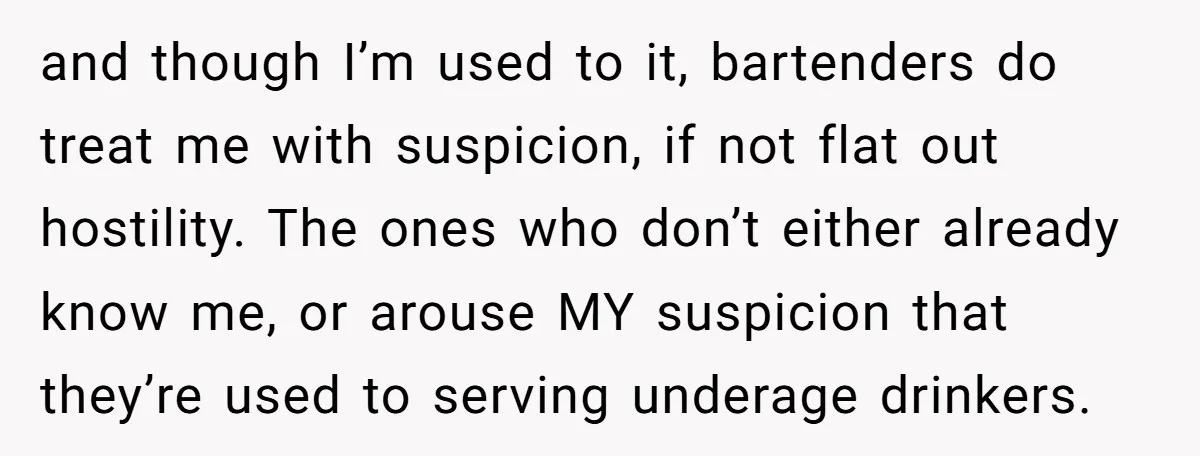
She then described the moment that left her feeling uncomfortable at the restaurant bar.
Caught off guard, she wondered if it was unreasonable to adjust her tip afterward.
Later, she added an update explaining how the interaction eventually changed.
Situations involving tipping often reveal deeper social expectations about customer service and respect. In many places, checking identification before serving alcohol is required by law. Employees who fail to do so can face serious penalties, which is why bartenders and servers often verify age quickly and sometimes firmly.
However, the manner in which requests are made can influence how customers interpret the interaction. A simple request for identification typically avoids embarrassment, while comments about someone’s appearance may unintentionally make them feel judged or belittled. In service environments where tips are common, tone and professionalism can directly affect how guests perceive the overall experience.
At the same time, tipping decisions are often subjective. Some people view tips strictly as a reward for service quality, while others treat them as part of the cost of dining out. This difference in perspective explains why debates about tipping frequently become heated online. The situation described here illustrates how a single remark can shape a customer’s experience, even if the rest of the interaction later becomes positive.
These are the responses from Reddit users:
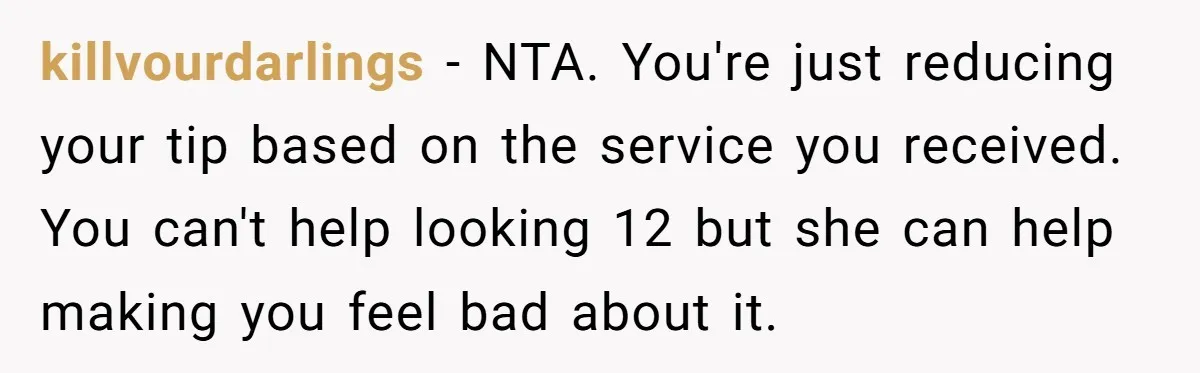
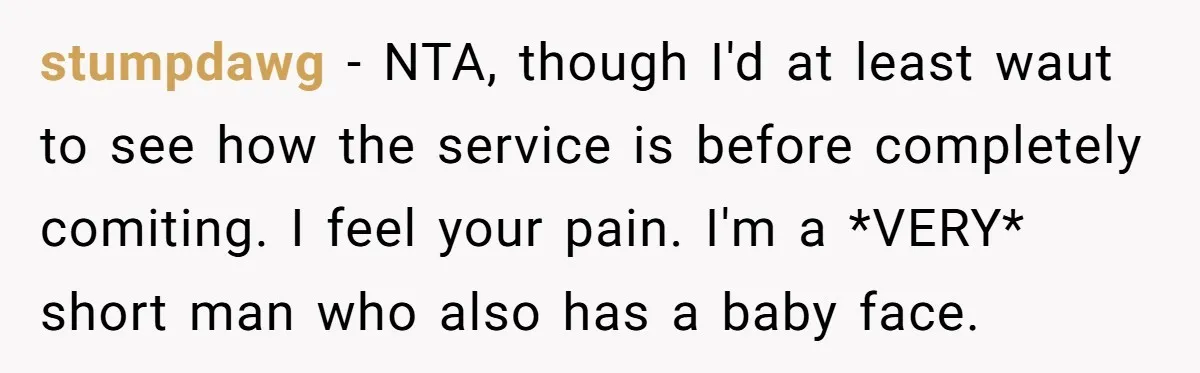
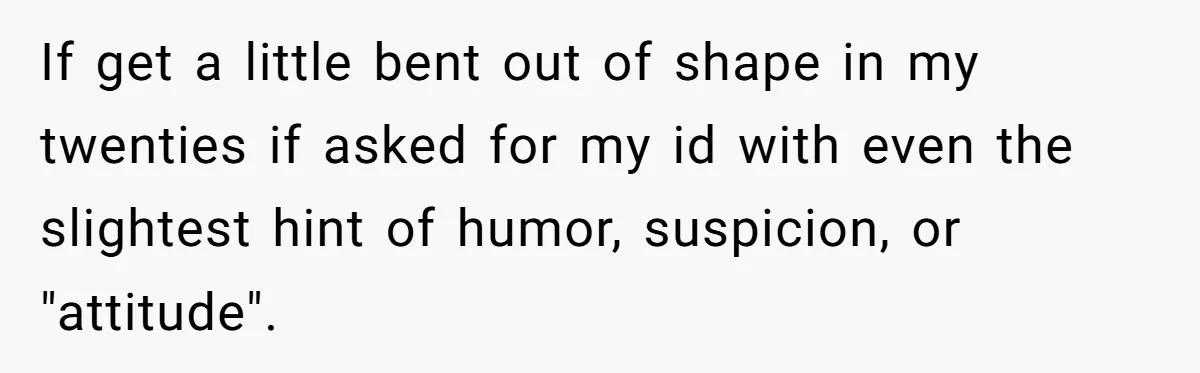
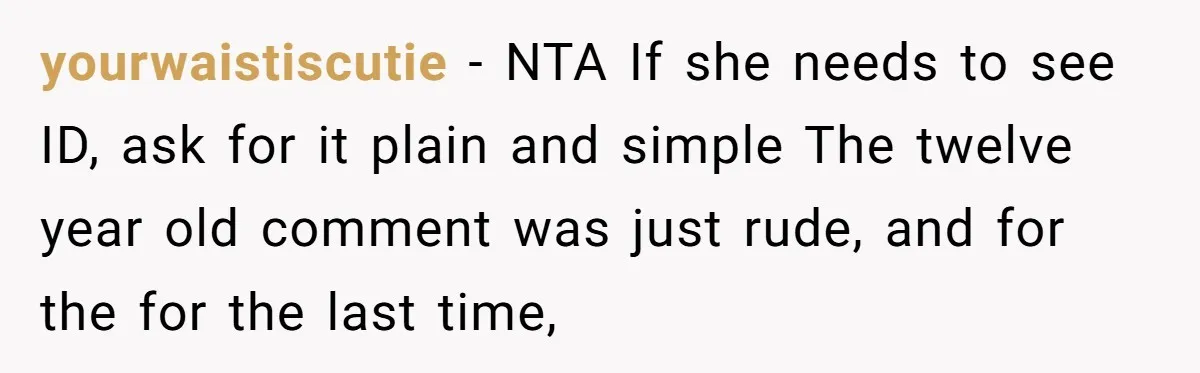
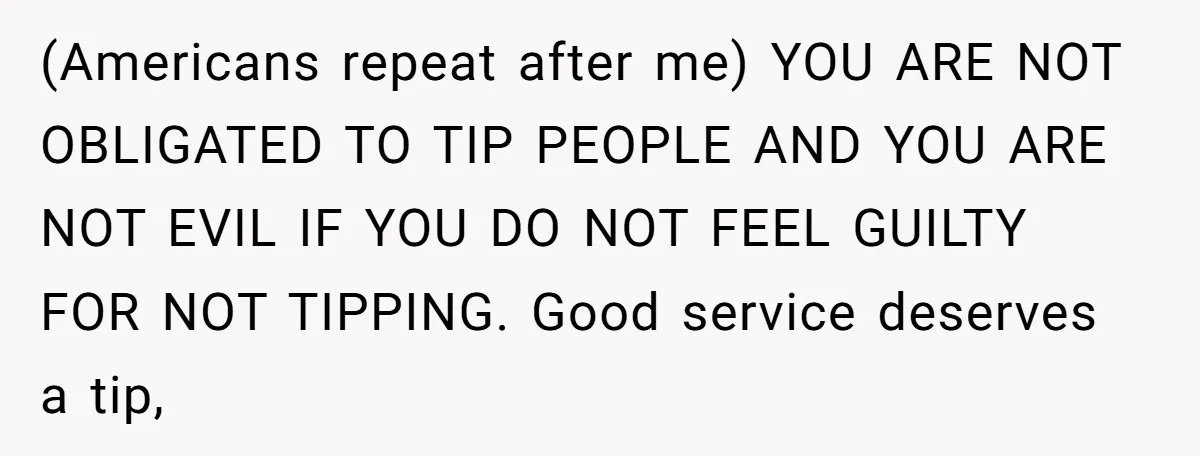
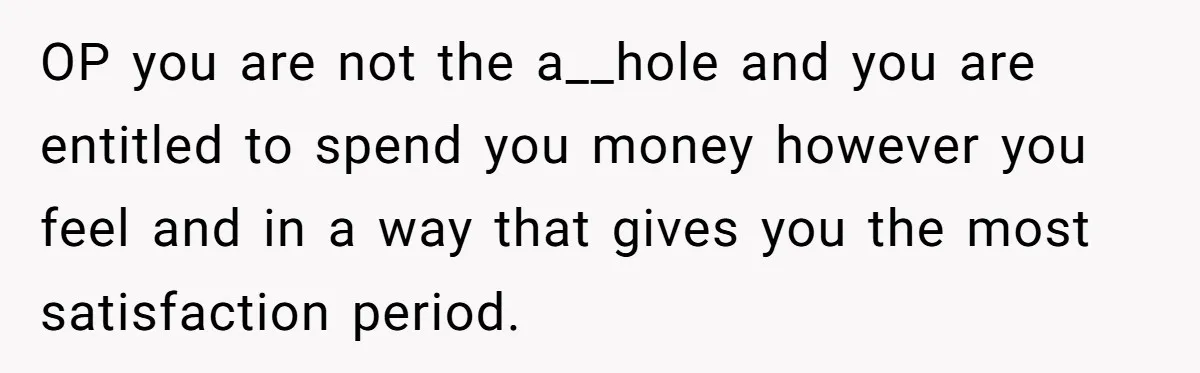
Many users supported the poster and felt the waitress’s comment was unnecessary.
![[Reddit User] − Can we just not do tip questions anymore](https://loknam.com/aita/images/99d09a4ab8/wp-editor-1772961653419-2.webp)
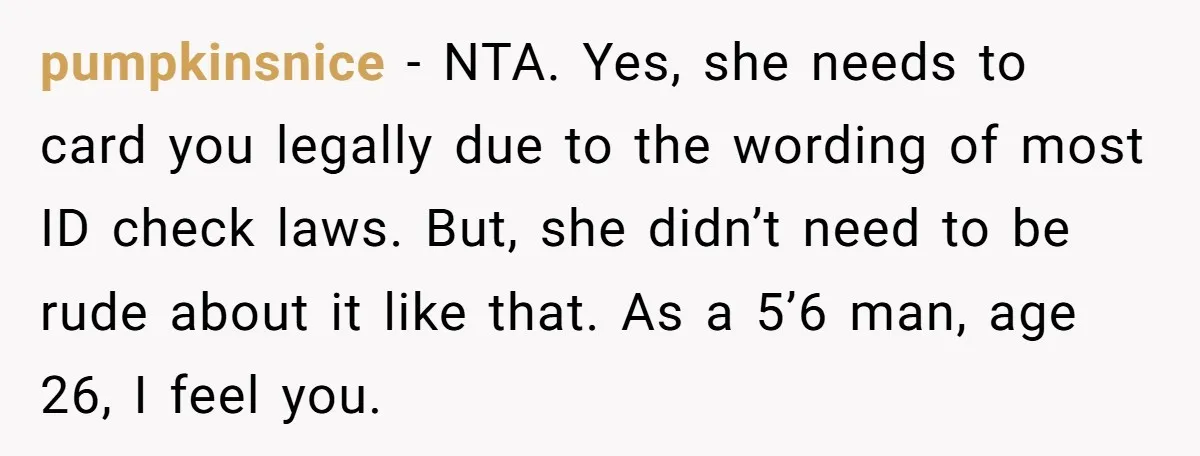
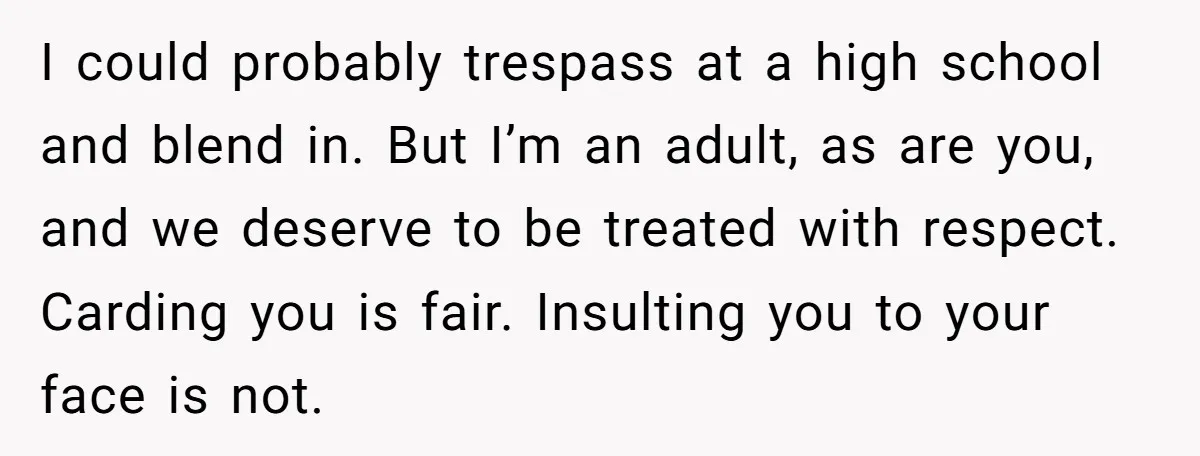
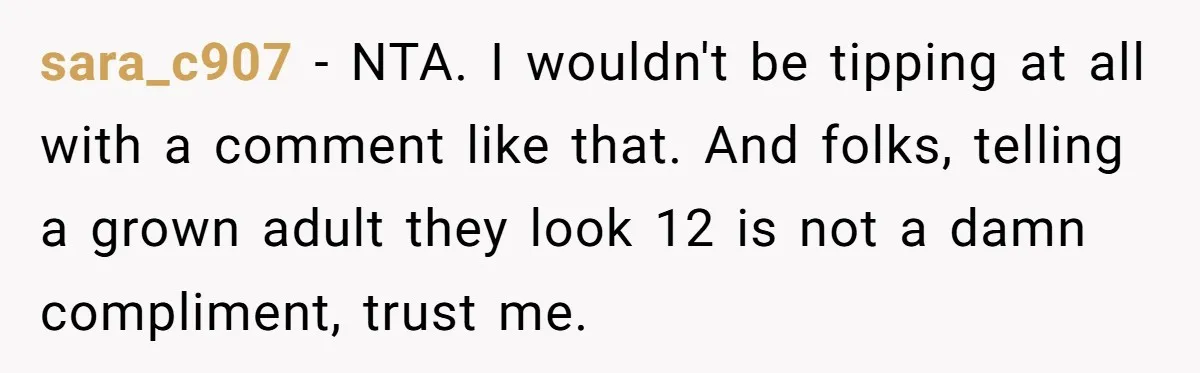

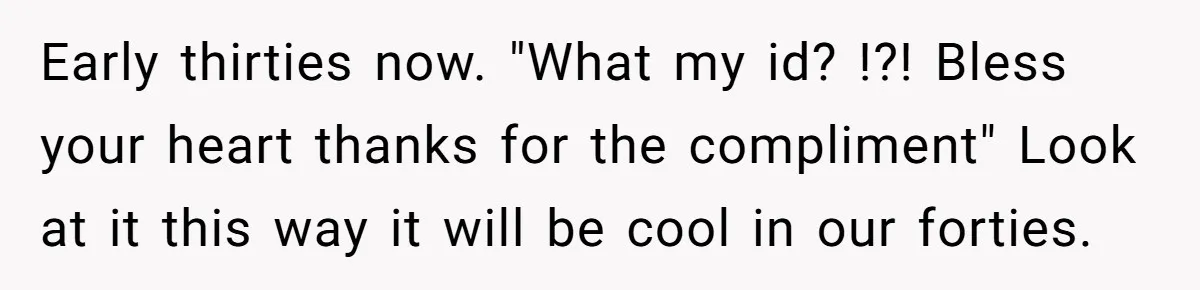
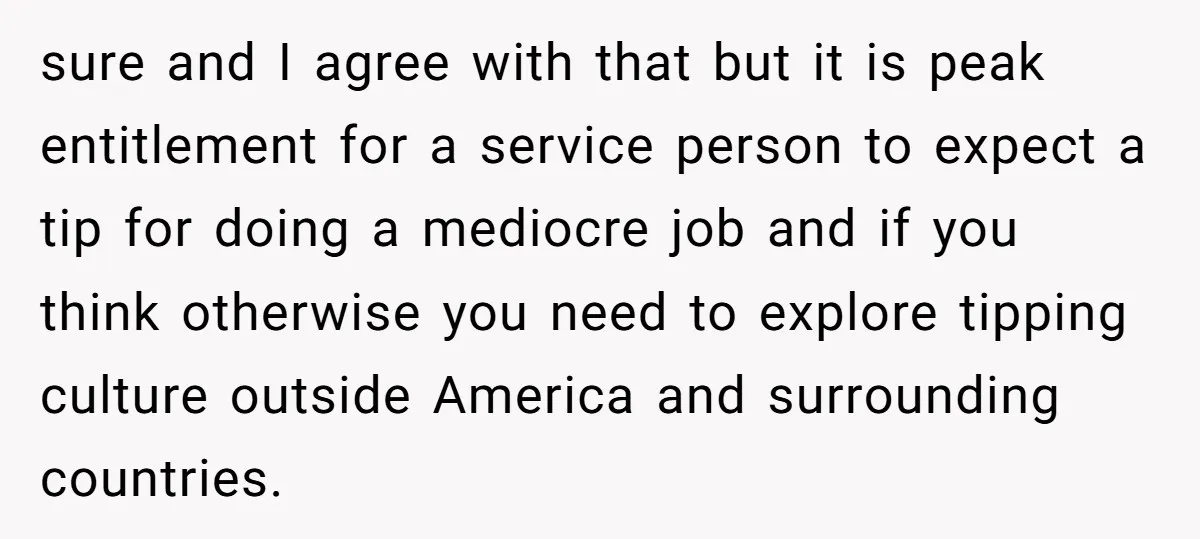
Others offered more mixed reactions or broader thoughts about tipping culture.
![[Reddit User] − NTA. That comment was unprofessional and unnecessary. She should’ve asked for ID and left it at that.](https://loknam.com/aita/images/99d09a4ab8/wp-editor-1772961719172-1.webp)
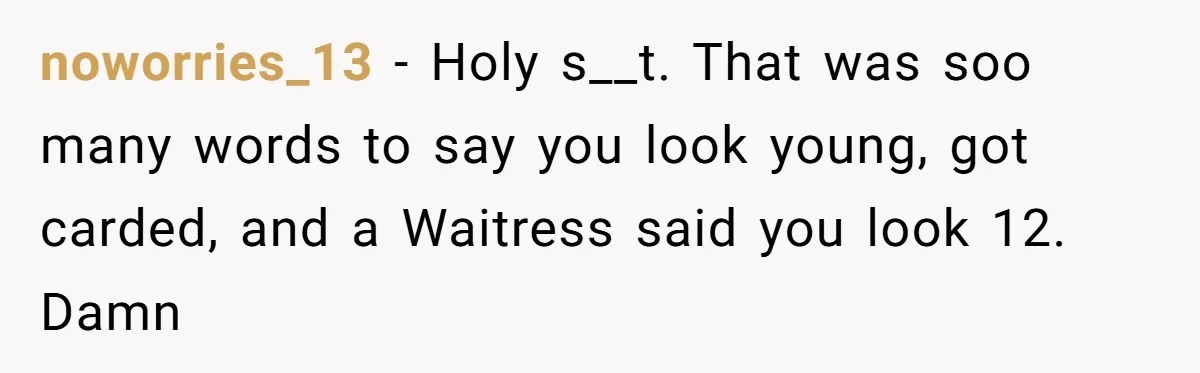
A few users reacted with blunt or humorous remarks about the entire situation.
![[Reddit User] − NEVER EVER be afraid to dock a tip. You don't owe them one, they are optional for good service. Which you didn't receive. NTA](https://loknam.com/aita/images/99d09a4ab8/wp-editor-1772961797471-1.webp)
In the end, the situation resolved more peacefully than expected. After chatting during the meal, the server warmed up to the customer and even comped a drink. The poster decided to leave the usual 20% tip, suggesting the awkward moment didn’t define the entire experience.
Still, the story highlights how easily small comments can affect someone’s day—especially when they touch on personal insecurities. Should service workers avoid remarks about customers’ appearances altogether? And when a server says something rude, is lowering a tip an appropriate response?