
A 30-year-old guy is scratching his head after his girlfriend accused him of being rude during a family lunch. While visiting her parents, her mom served a delicious seafood chowder—except for the few pieces of ginger she accidentally left in, which he absolutely hates biting into.
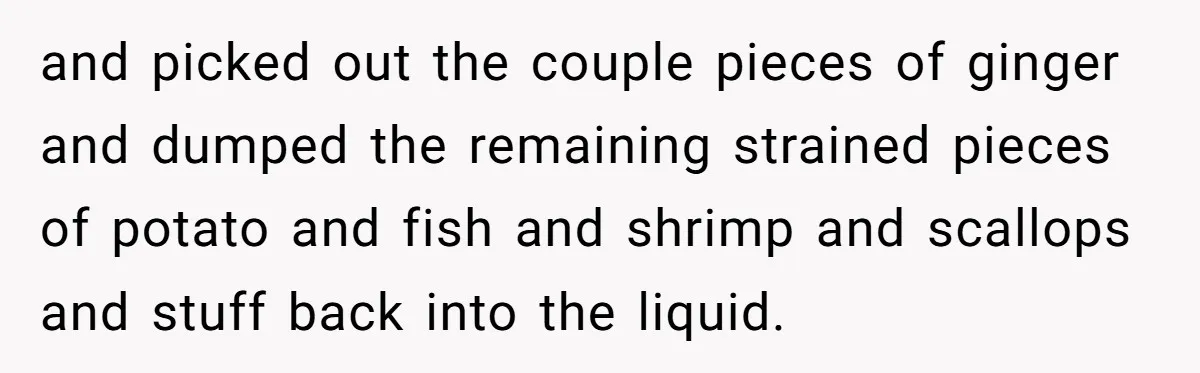
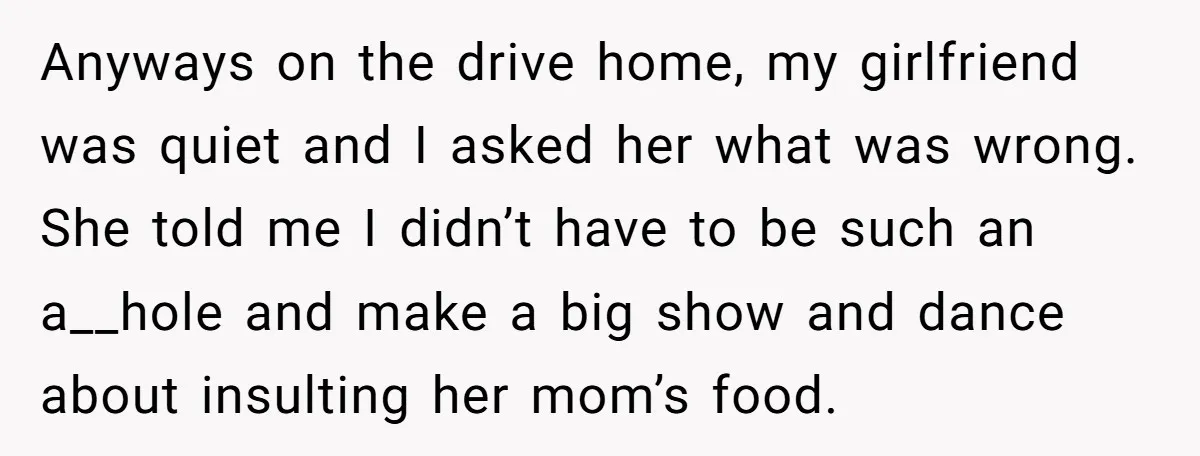
Instead of quietly eating around them, he politely asked for a colander, strained the entire bowl of soup into another dish, picked out the ginger, and poured everything back in. He even offered to wash the extra dishes. The mom seemed fine with it, but on the drive home, his girlfriend was fuming—she said he’d made a huge embarrassing scene and insulted her mom’s cooking.

‘AITA for pouring my girlfriend’s mom’s soup through a colander so I can pick out some vegetables I really don’t like?’
The guy explains that he really enjoys the chowder except for the ginger pieces, which ruin it for him when he accidentally bites into one:
He spotted a colander in the kitchen and went ahead with his plan:

But on the way home, his girlfriend wasn’t happy:

This situation isn’t really about ginger or soup—it’s about unspoken social rules around food and hospitality. When someone cooks for you, especially a partner’s parent, there’s an expectation of gratitude and discretion. Making a visible production out of removing an ingredient, even if done politely, can come across as rejecting the cook’s effort or implying the dish isn’t good enough as-is.
From a cultural and etiquette standpoint, most people would handle a disliked ingredient by quietly eating around it, discreetly setting pieces aside on a napkin or side plate, or even excusing themselves to the bathroom if needed. Straining an entire bowl in front of the host draws attention to the “flaw” and can make the cook feel criticized, even if that wasn’t the intent.
Etiquette expert Myka Meier (Beaumont Etiquette) notes: “When dining in someone else’s home, the focus should always be on appreciation rather than alteration. Making modifications that are noticeable can unintentionally signal dissatisfaction with the host’s hospitality.” (Source: Beaumont Etiquette guidelines on guest behavior).
Practical advice: Next time, a quick “This looks amazing—mind if I pick out a couple pieces of ginger?” or simply eating around them would keep things smooth. If the aversion is strong, mentioning it privately beforehand (“I love your chowder but ginger isn’t my thing—any chance you could leave it out?”) shows consideration without drama. Apologizing to both the mom and girlfriend, explaining it was never meant as an insult, could help mend things quickly.
Here’s the comments of Reddit users:
The internet overwhelmingly labeled the guy YTA, with most people shocked at what they saw as a major social blunder.
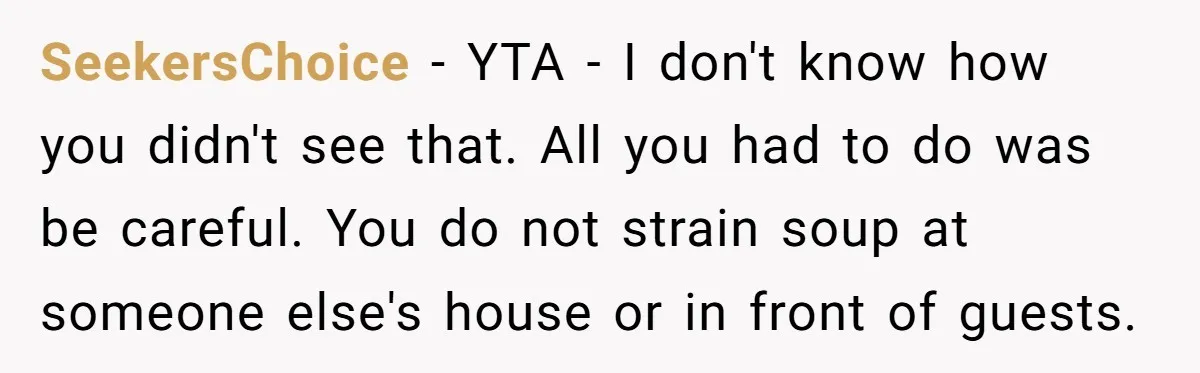
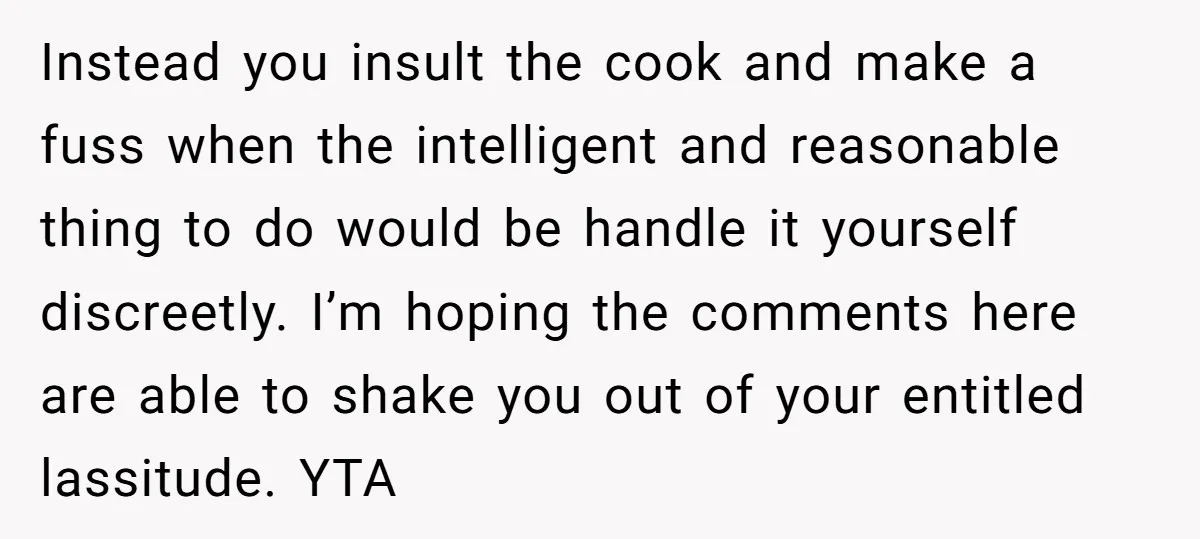
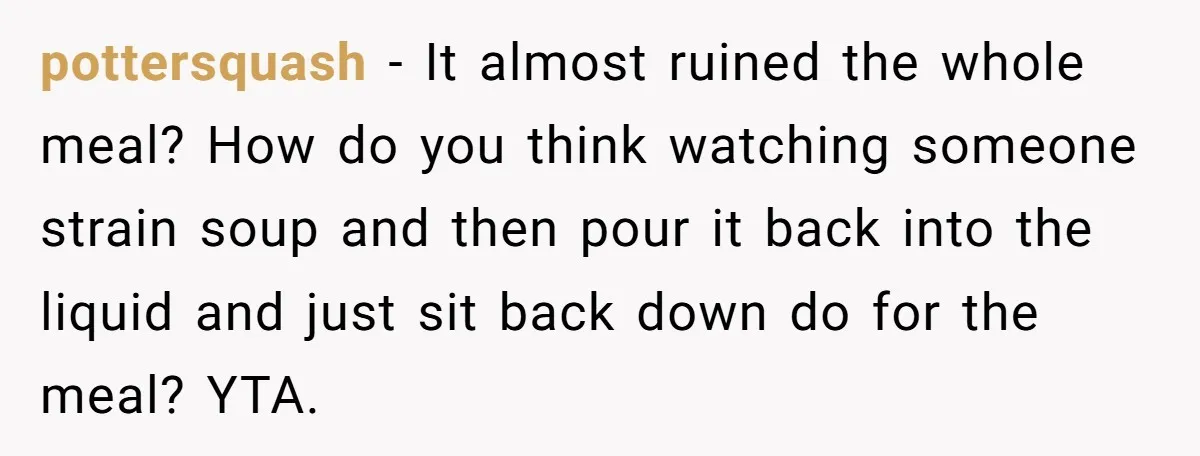
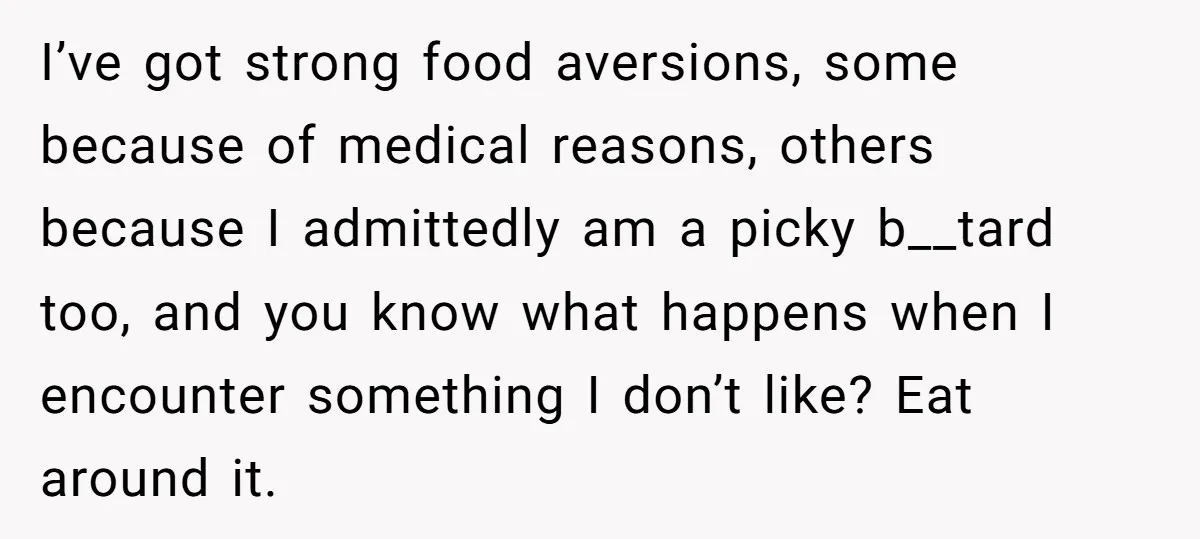
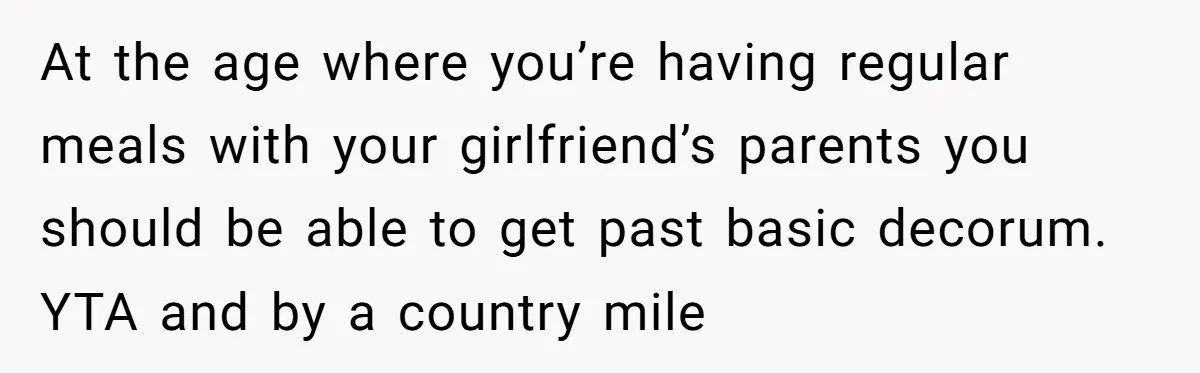
Many called it rude, dramatic, and lacking basic manners:

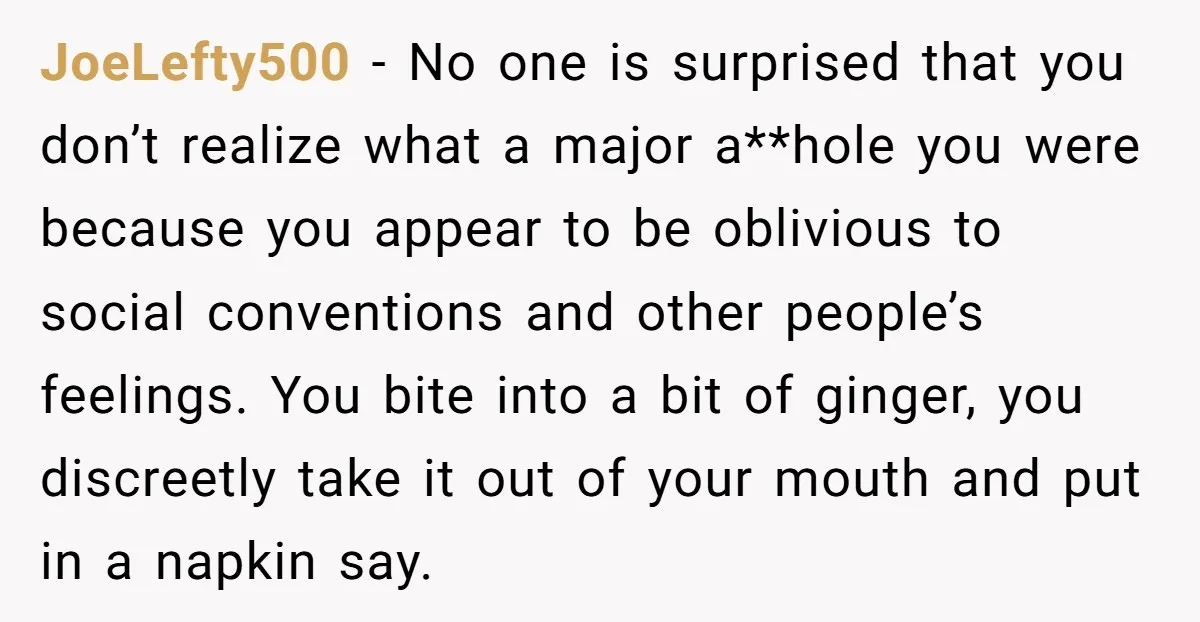

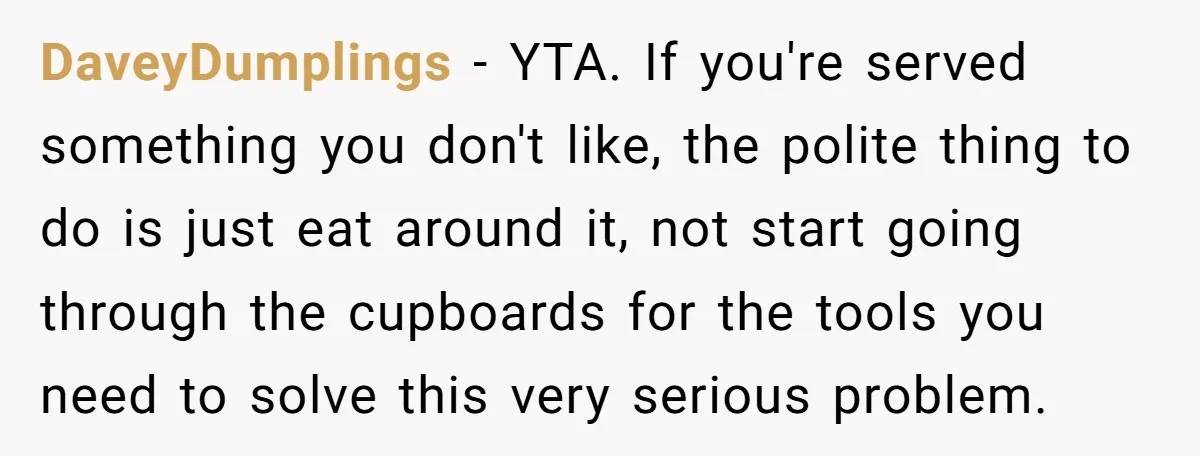

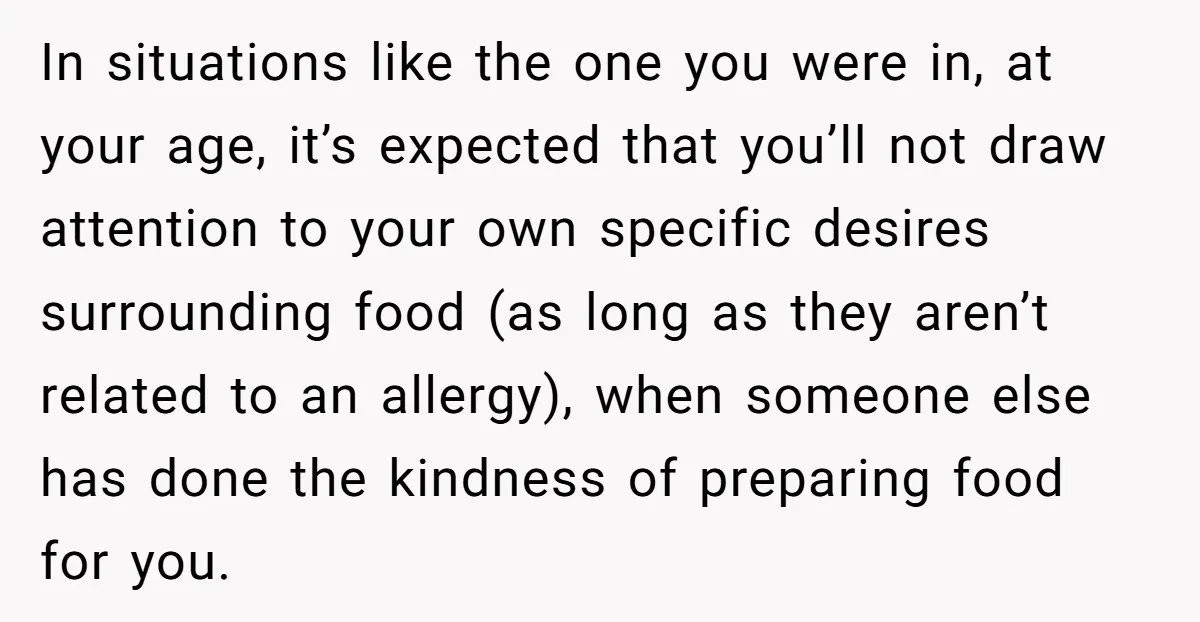
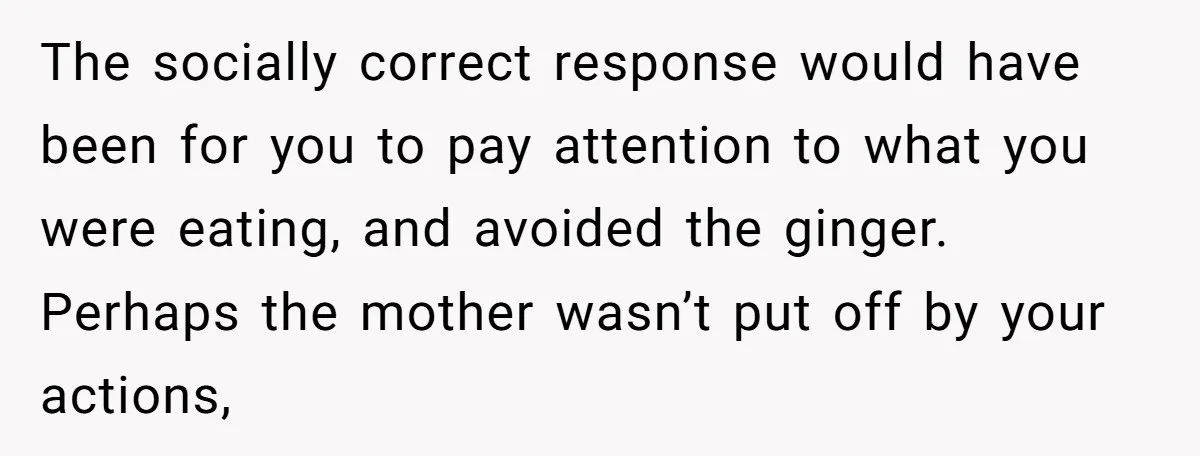
Others suggested simple, discreet alternatives and questioned his social awareness:

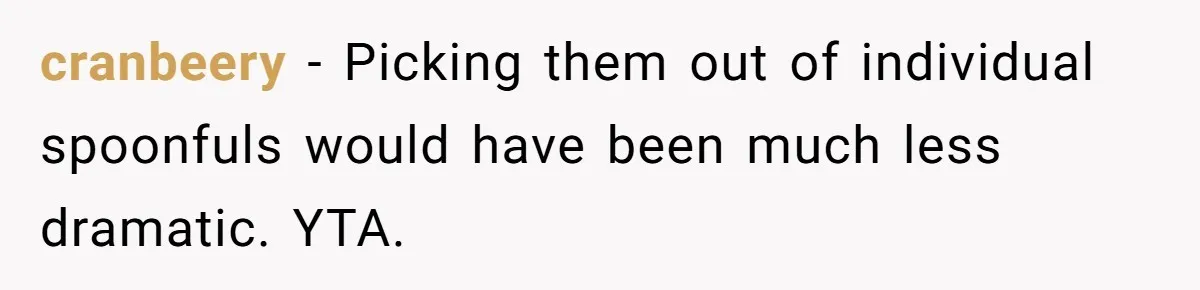


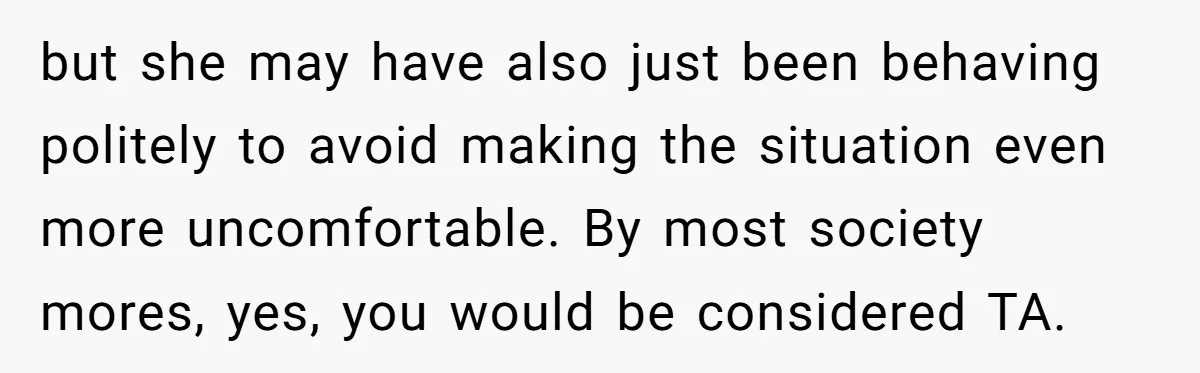
A few defended him, saying it wasn’t intentional rudeness and he handled it responsibly:

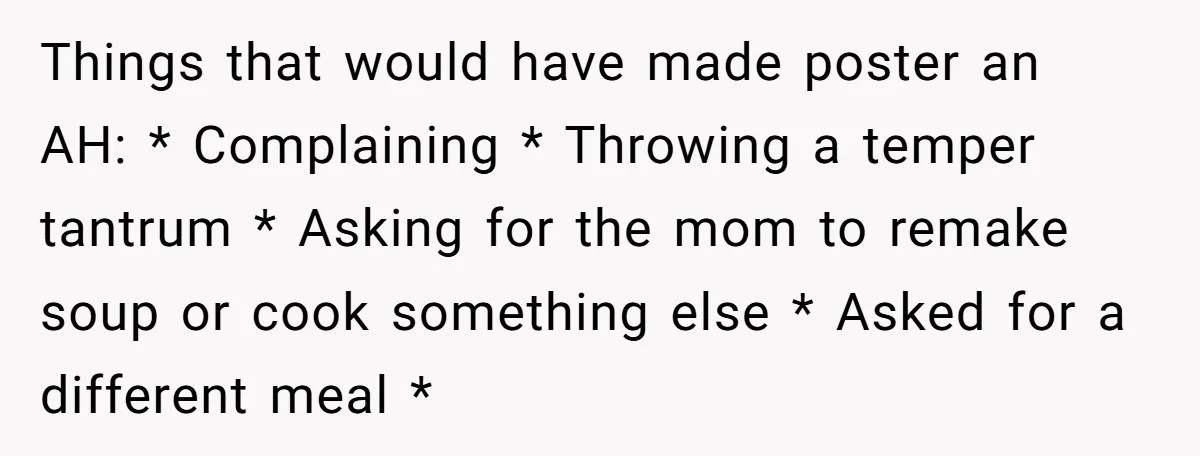

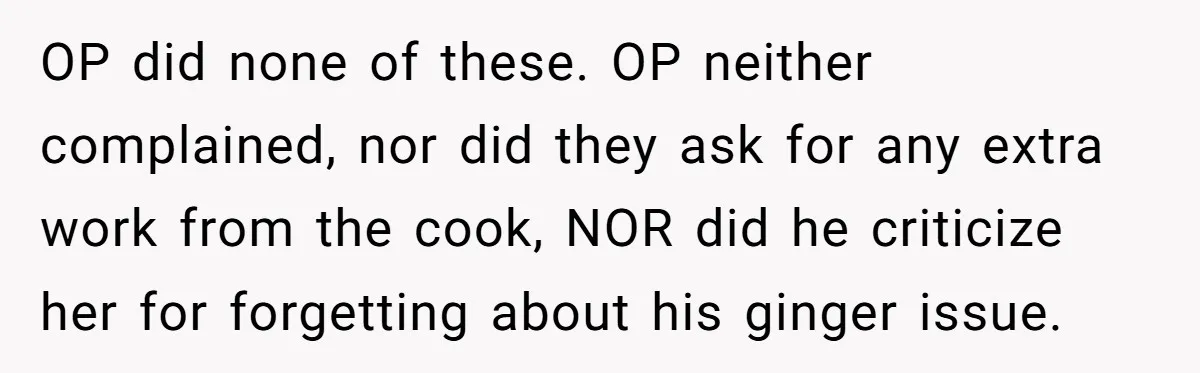
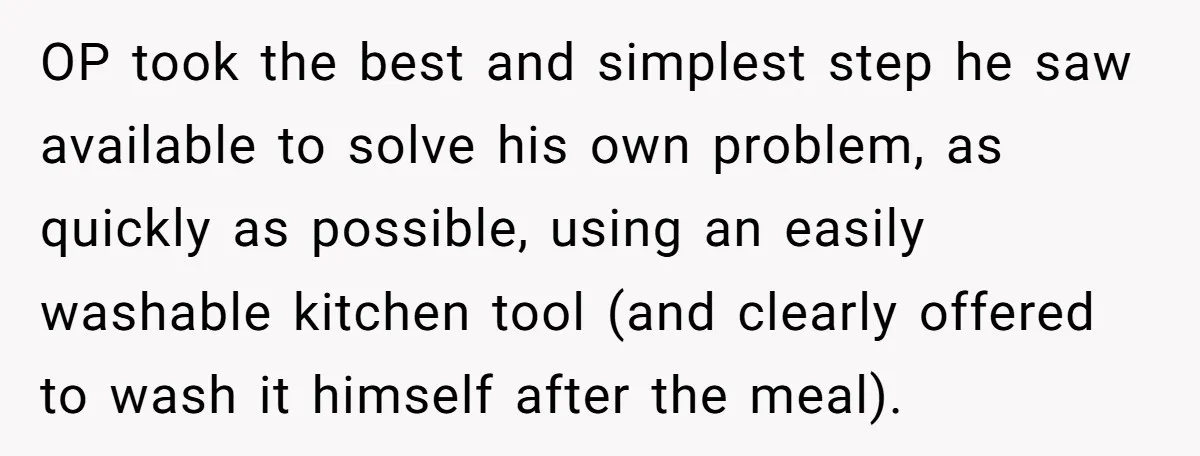
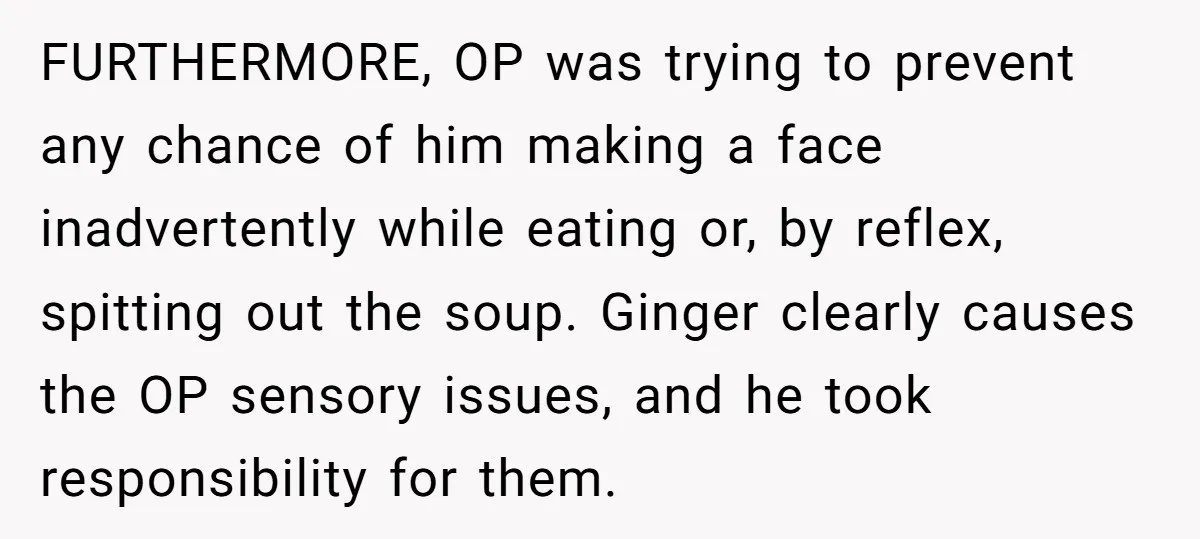
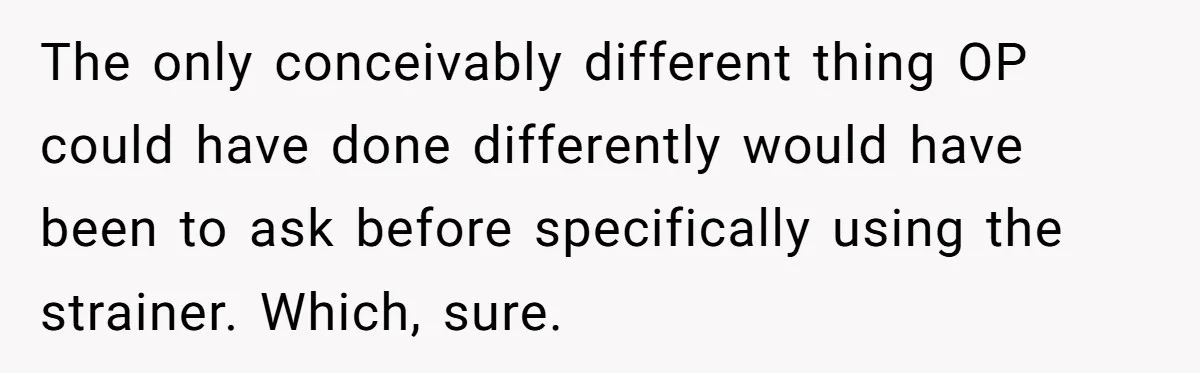



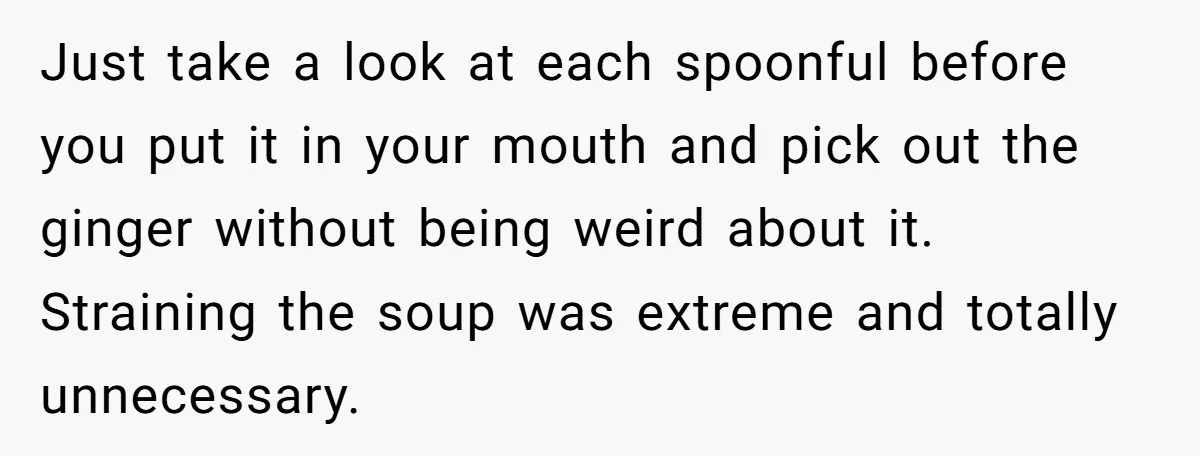
And some found it extreme but acknowledged good intentions:



This story shows how a small food preference can turn into a big etiquette clash when handled in a very visible way. The guy clearly didn’t mean to offend anyone—he just wanted to enjoy the meal without the ginger surprise—but the method he chose ended up feeling disrespectful to many.
What do you think? Was straining the soup a reasonable fix, or should he have just eaten around the pieces? Have you ever had an awkward food moment at a partner’s family dinner? Share your thoughts in the comments!